Why This Chicken Stir Fry Recipe Works
I used to avoid making chicken stir fry at home. Honestly, it felt like a science project. You know the drill you buy all these ingredients, chop everything up, and then it either turns into a soggy mess or the chicken is dry and sad. Takeout always seemed like the safer bet.
But then I learned the one trick that changed everything. And suddenly, this easy chicken stir fry recipe became my absolute go-to for busy weeknights, especially when it’s too hot to even think about turning on the oven.
Here’s the thing: a great stir fry isn’t about having a fancy wok or a secret family recipe. It’s about understanding a few simple principles. Get those right, and you’ll have a quick weeknight stir fry that’s better than anything you can order. Plus, it’s a healthy stir fry low cholesterol option that feels indulgent. Win-win, right?
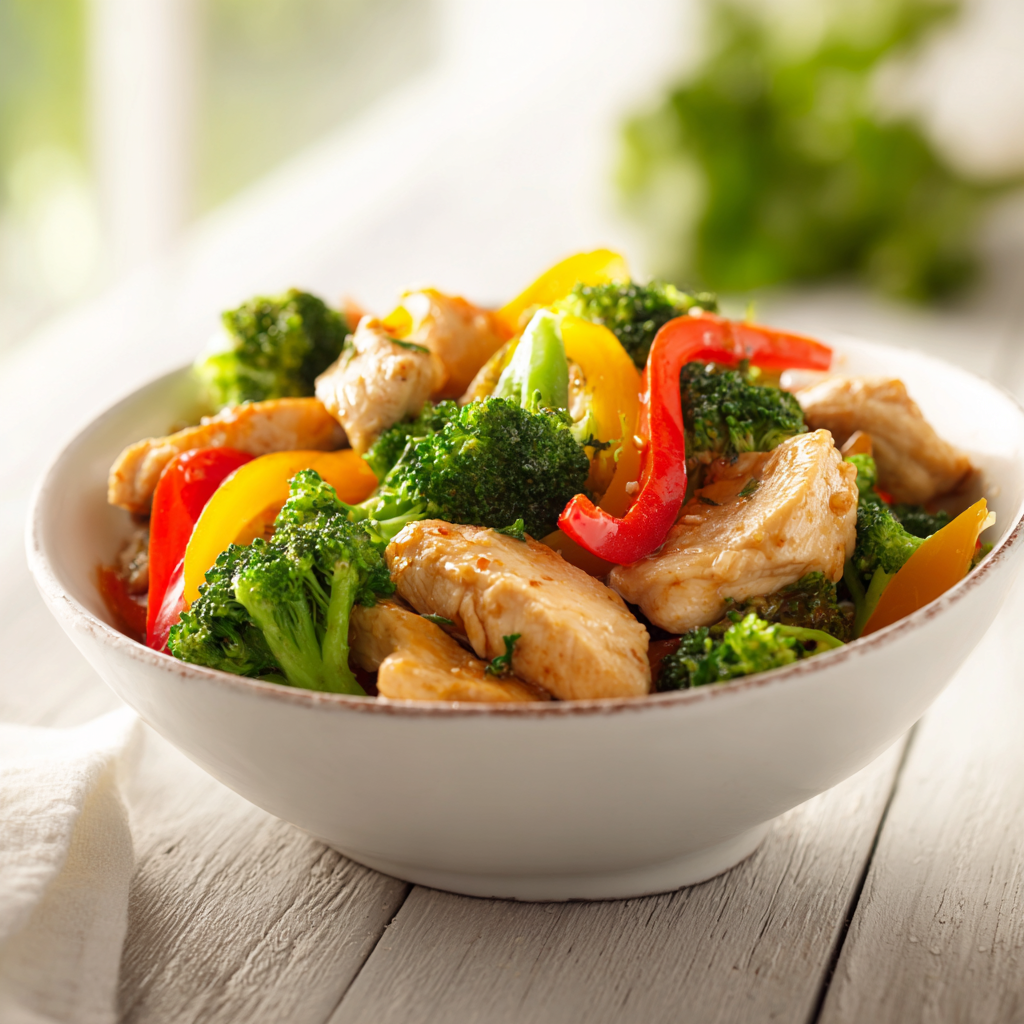
This particular chicken stir fry recipe is my summer lifesaver. It’s loaded with crisp summer stir fry vegetables like bell peppers and broccoli, and the sauce is just the right balance of savory and sweet. No heavy oils, no mystery ingredients. Just real food, fast.
Ingredients for Chicken Stir Fry
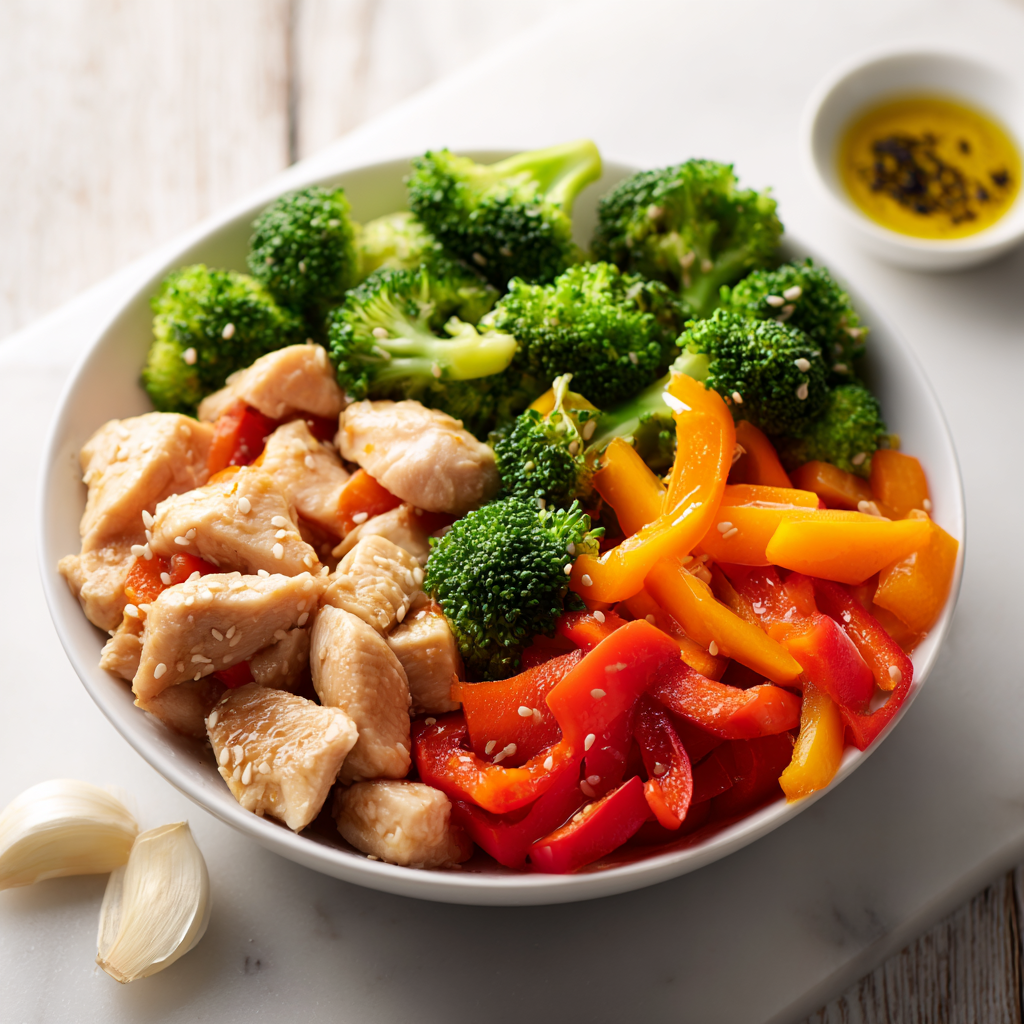
Let’s talk about what you’ll need. The beauty of this vegetable chicken stir fry is that the ingredient list is short and sweet. You probably have most of this stuff already.
For the Chicken and Veggies:
- Boneless skinless chicken fillets: I use chicken breast here. It’s lean, cooks fast, and keeps this a low fat stir fry. Dice them into 1-inch pieces so they cook evenly.
- Salt and black pepper: Simple seasoning. Don’t skip it it builds flavor from the ground up.
- Olive oil: We’re using California-grown olive oil here. It’s got a nice, clean flavor that works perfectly for sautéing.
- Broccoli florets, yellow bell pepper, red bell pepper, and shredded carrots: This is my favorite combo. The colors are gorgeous, and the textures are spot on. But honestly? You can swap in whatever you have. Summer stir fry vegetables like snap peas or zucchini would be amazing too.
- Ground ginger and minced garlic: The aroma when these hit the hot oil? Unreal. Fresh garlic is a must here.
- Sesame seeds: For that nutty finish and a little visual pop.
For the Stir Fry Sauce:
- Cornstarch: This is the secret to that glossy, thick sauce that clings to everything.
- Chicken broth: Low-sodium is best. It gives the sauce body without making it too salty.
- Soy sauce: Reduced-sodium works great. If you need a gluten free stir fry, just swap in tamari or coconut aminos.
- Honey: A touch of sweetness to balance the savory. California wildflower honey adds a lovely floral note, but any honey will do.
Variations to Try
This is where you can really make it your own. The base chicken stir fry recipe is super flexible.
- Make it spicy: Add a pinch of red pepper flakes or a drizzle of sriracha to the sauce.
- Different protein: Swap the chicken for shrimp, beef, or even extra-firm tofu.
- More veggies: Throw in some snow peas, baby corn, or water chestnuts for extra crunch.
- Low-carb option: Serve it over cauliflower rice instead of regular rice. It’s still incredibly satisfying.
- Nutty twist: Top with crushed peanuts or cashews along with the sesame seeds.
How to Make Chicken Stir Fry
Okay, let’s get cooking. I’m going to walk you through the four major stages. Trust me, if you follow this order, you’ll nail it every time. This is the method that turns a good stir fry with chicken breast into a great one.
Stage 1: Make the Sauce and Prep
First things first, whisk together your sauce ingredients in a small bowl. Cornstarch, chicken broth, soy sauce, and honey. Get it nice and smooth, then set it aside. Doing this before you even turn on the heat is a game-changer. You don’t want to be scrambling for ingredients when your pan is smoking hot.
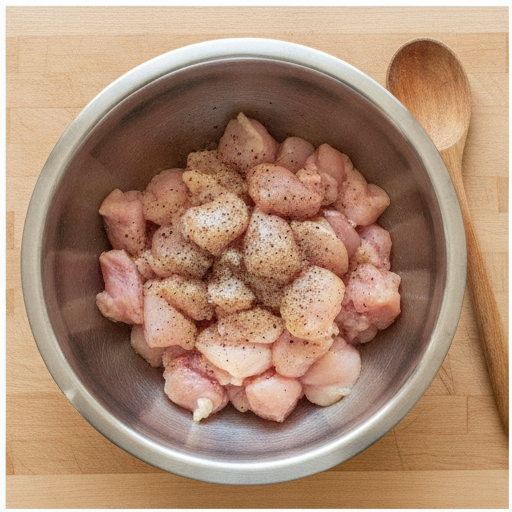
Stage 2: Cook the Chicken
Heat a tablespoon of olive oil in a large skillet or wok over medium-high heat. Add your diced chicken, season with salt and pepper, and let it cook undisturbed for a minute or two. Then start stirring. You want it browned on all sides and cooked through about 3 to 5 minutes total. Transfer the chicken to a plate. Don’t skip this step. Cooking the meat first and removing it ensures it stays tender and doesn’t get overcooked when you add the veggies.
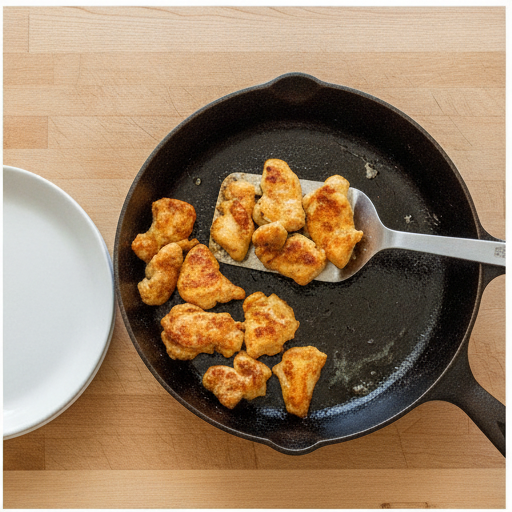
Stage 3: Sauté the Vegetables
Add the remaining tablespoon of olive oil to the same skillet. Toss in your broccoli, bell peppers, and carrots. Cook them for 4 to 5 minutes, stirring occasionally. You want them tender-crisp still bright and with a little bite. This is a key stir fry tip: don’t overcook your veggies. They should be vibrant, not limp. Then stir in the ground ginger and minced garlic for about a minute until it’s super fragrant.
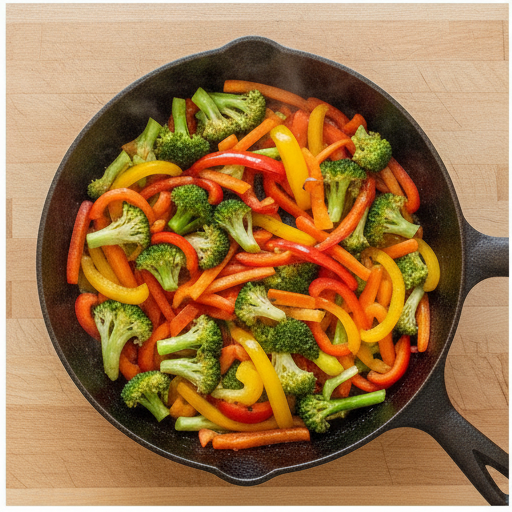
Stage 4: Combine and Sauce
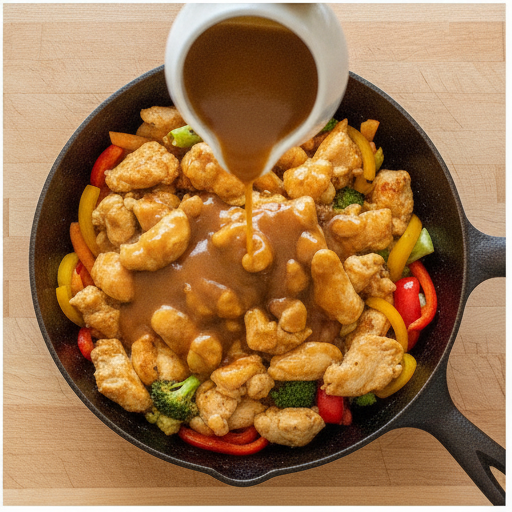
Return the cooked chicken to the skillet. Pour that beautiful sauce over everything and stir to coat. Let it come to a boil, then let it bubble for about a minute. You’ll see the sauce transform from a thin liquid into a glossy, thick glaze that clings to every piece of chicken and every veggie. That’s the cornstarch doing its magic. Sprinkle with sesame seeds and serve immediately.
Tips for the Best Chicken Stir Fry
Over the years, I’ve learned a few things that make a huge difference. Here are my best stir fry tips and tricks to help you avoid the common pitfalls.
Pro Tips for Success
- Cut everything the same size: This ensures even cooking. No one wants a piece of chicken that’s raw in the middle.
- Don’t overcrowd the pan: If you add too much at once, the food steams instead of sears. Use a large skillet or wok.
- Preheat your pan: You want that sizzle when the food hits the oil. It’s the sound of flavor happening.
- Cook in stages: Meat first, then veggies, then combine. It’s the golden rule of stir fry.
- Add sauce at the end: This prevents the sauce from burning and ensures it thickens properly.
Common Mistakes to Avoid
Let’s be real we’ve all made these mistakes. Here’s how to fix them.
- ❌ Mistake: The chicken is dry and tough.
✅ Solution: Don’t overcook it! Cook just until it’s no longer pink inside, and remove it from the pan. It will finish cooking when you add it back to the sauce. - ❌ Mistake: The vegetables are mushy and sad.
✅ Solution: Cook them over high heat for a short time. You want them tender-crisp, not soft. And don’t cover the pan that traps steam. - ❌ Mistake: The sauce is watery and thin.
✅ Solution: This is a classic issue, and it’s all about how to make stir fry not watery. Make sure your pan is hot enough to sear, not steam. Also, let the sauce boil for a full minute after adding it to the pan. That’s when the cornstarch activates and thickens everything up. - ❌ Mistake: The garlic burns and turns bitter.
✅ Solution: Add the garlic and ginger later in the cooking process, after the veggies have had a head start. They need only a minute or two.
Make-Ahead and Storage
This one pan chicken stir fry is perfect for meal prep. Here’s how to handle leftovers and plan ahead.
Make-Ahead Prep: You can chop all your veggies and dice your chicken up to 2 days in advance. Store them separately in airtight containers in the fridge. You can even whisk together the sauce and keep it in a jar. When you’re ready to cook, dinner is literally 10 minutes away.
Storing Leftovers: Store any leftover stir fry in an airtight container in the fridge for up to 4 days. The flavors actually get better as they meld together overnight.
Reheating: The best way to reheat is in a skillet over medium heat. Add a splash of water or chicken broth to loosen the sauce back up. You can also use the microwave, but the skillet gives you a better texture. For a stir fry with rice or noodles, just toss the leftovers in with some cooked rice or noodles and reheat together.
Freezing: You can freeze this stir fry in a freezer-safe container for up to 3 months. Thaw it in the fridge overnight before reheating.
What to Serve with Chicken Stir Fry
This dish is incredibly versatile. Here are my favorite ways to round out the meal.
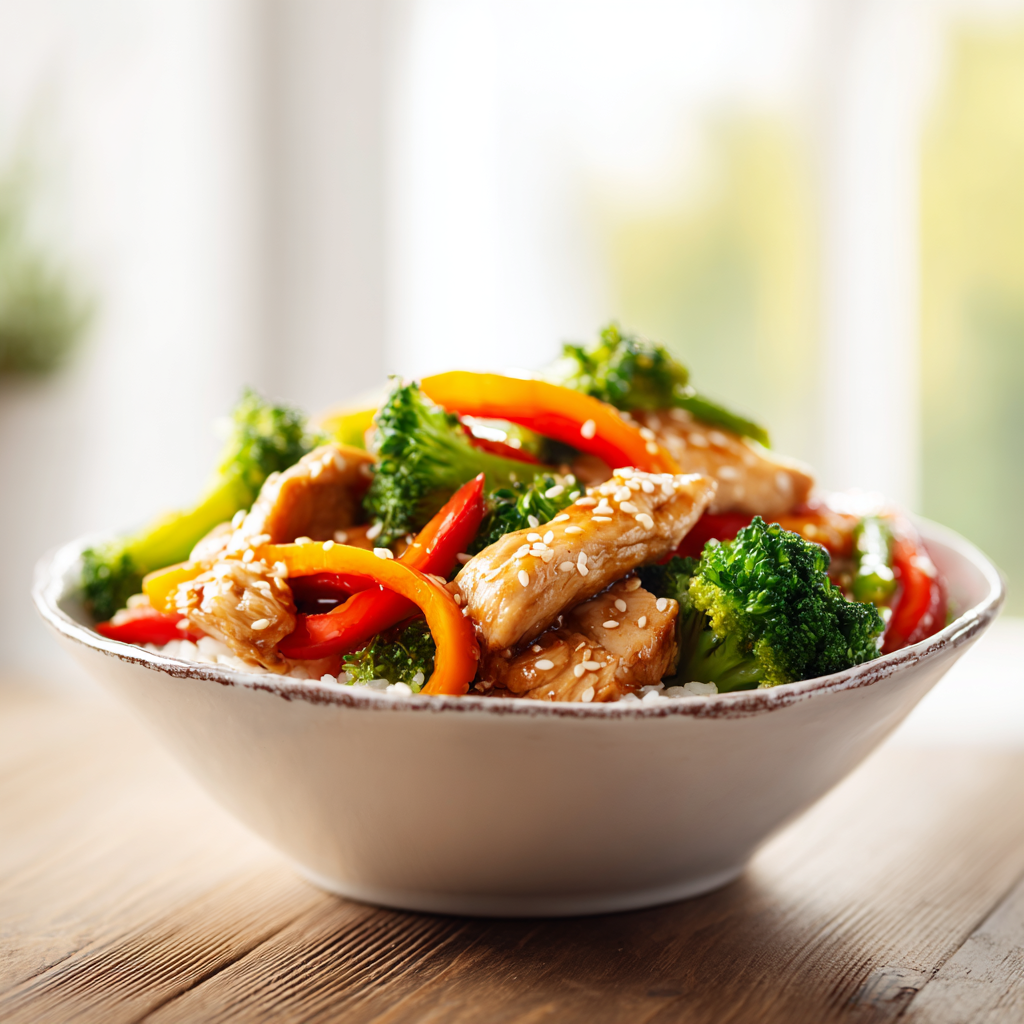
- Steamed jasmine rice: The classic choice. The fluffy rice soaks up all that delicious sauce.
- Brown rice or quinoa: For a nuttier flavor and more fiber.
- Cauliflower rice: Keeps it low-carb and light, perfect for summer.
- Rice noodles or lo mein noodles: Toss them directly into the skillet for a one-pan noodle dish.
- On its own: Honestly, this stir fry is so packed with protein and veggies, it’s satisfying all by itself.
Frequently Asked Questions
Make It, Love It, Share It
This chicken stir fry has become my absolute favorite go-to for those nights when I’m short on time but still want something that feels special. It’s fast, it’s flexible, and it never fails to make me feel like I’ve got my act together in the kitchen.
I hope you love it as much as I do. Make it, love it, and come back to tell me how it went! And if you’re looking for more inspiration, you can find this and other favorite recipes on my Pinterest board.
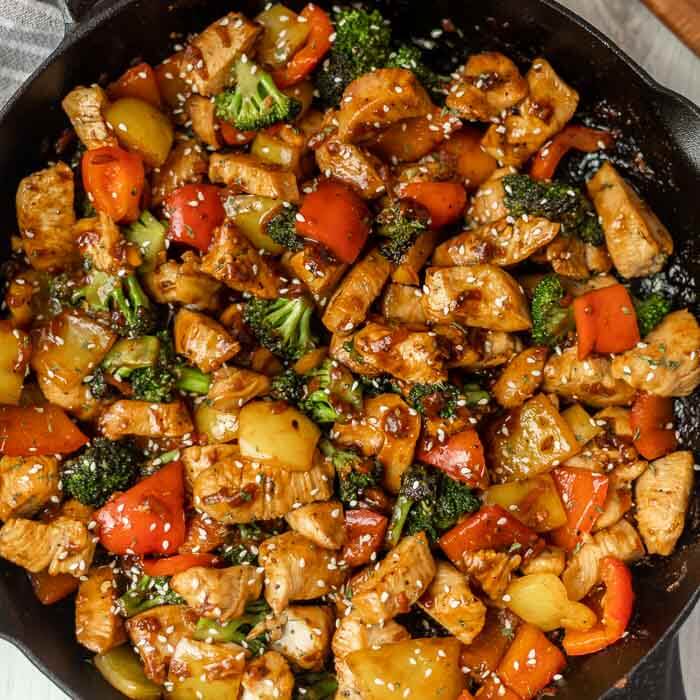
Quick Chicken Stir Fry with California Veggies
Ingredients
Method
- In a small bowl, whisk together the cornstarch, chicken broth, soy sauce, and honey until smooth. Set the stir fry sauce aside.
- Heat 1 tablespoon of the olive oil in a large skillet or wok over medium-high heat. Add the diced chicken pieces and season with salt and pepper. Cook, stirring occasionally, for 3 to 5 minutes until the chicken is browned and cooked through. Transfer the chicken to a plate and set aside.
- Add the remaining 1 tablespoon of olive oil to the same skillet. Add the broccoli, yellow bell pepper, red bell pepper, and shredded carrots. Cook, stirring occasionally, for 4 to 5 minutes until the vegetables are tender-crisp.
- Stir in the ground ginger and minced garlic. Cook for 1 to 2 minutes until the garlic is fragrant, being careful not to burn it.
- Return the cooked chicken to the skillet. Pour the prepared sauce over the chicken and vegetables, stirring to coat everything evenly. Bring the mixture to a boil, then let it boil for 1 minute, stirring occasionally, until the sauce thickens.
- Sprinkle with sesame seeds and serve immediately over steamed rice or cauliflower rice. Enjoy.
Nutrition
Notes
Tried this recipe?
Let us know how it was!Source: Nutritional Information
How to make a simple chicken stir fry?
Start by whisking together a quick sauce of cornstarch, broth, soy sauce, and honey. Cook diced chicken in a hot skillet, remove it, then sauté your veggies. Add garlic and ginger, return the chicken, pour in the sauce, and let it boil for a minute until thickened. That’s it a simple chicken stir fry in under 30 minutes.
What is the secret to good stir fry?
The secret is high heat and cooking in stages. Don’t overcrowd your pan. Cook the meat first, remove it, then cook the veggies. Add the sauce at the very end and let it boil to thicken. This keeps the chicken tender, the veggies crisp, and the sauce glossy.
How to cook chicken for someone with gastritis?
For gastritis, keep it gentle. Use lean chicken breast, cook with minimal oil, and avoid spicy ingredients. This recipe uses a mild sauce with honey and low-sodium soy sauce, which is much easier on the stomach. Skip the garlic if it’s a trigger for you.
Can a diabetic have stir fry?
Yes, absolutely. This chicken stir fry is a great option for diabetics. It’s high in protein and fiber from the veggies, and the sauce uses a modest amount of honey. Serve it with cauliflower rice or a small portion of brown rice to keep blood sugar steady.
What are common stir-fry mistakes to avoid?
The biggest mistakes are overcrowding the pan, which leads to steaming instead of searing, and adding the sauce too early, which makes it burn. Also, don’t overcook your chicken or your veggies. Cook in stages, keep your heat high, and add the sauce at the end.
What’s the secret to tender stir fry chicken?
The secret is simple: don’t overcook it. Cook diced chicken breast over high heat for just 3 to 5 minutes until it’s browned and just cooked through. Remove it from the pan immediately. It will finish cooking when you add it back to the hot sauce later.
What are the three rules of stir-fry?
Rule one: high heat. Rule two: cook in stages meat first, then veggies, then combine. Rule three: add your sauce at the end and let it boil to thicken. Follow these three rules, and you’ll have a perfect stir fry every single time.
What can I put in stir-fry to make it taste better?
A good sauce is everything. This one uses a balance of savory soy sauce, sweet honey, and aromatic garlic and ginger. Don’t forget the sesame seeds at the end for a nutty finish. Fresh, high-quality ingredients make all the difference.
What’s the best oil for stir-frying?
For this recipe, I use olive oil, specifically California-grown olive oil. It has a clean flavor and a medium-high smoke point that works well for stir frying. Avocado oil is another great option if you need a higher smoke point.
What food cancels out acid reflux?
While no food truly u0022cancels outu0022 acid reflux, non-acidic, low-fat foods can help. This chicken stir fry is a good option because it’s low in fat, uses lean protein, and doesn’t rely on acidic ingredients like tomatoes or citrus.
What heals gastritis quickly?
A bland, low-acid diet can help soothe gastritis. This recipe, with its mild sauce and simple ingredients, can be a good choice. Just skip the garlic and use a very small amount of oil. Always consult your doctor for medical advice.
Does yogurt heal the stomach lining?
Yogurt with probiotics may support gut health, but it’s not a cure for stomach lining issues. For a stomach-friendly meal, focus on low-fat, non-irritating foods. This chicken stir fry, served with plain rice, is a gentle option.
What is the 3-hour rule for diabetics?
The 3-hour rule suggests not going longer than 3 hours without eating to help stabilize blood sugar. A balanced meal like this chicken stir fry, with protein, fiber, and a small amount of carbs, is perfect for keeping energy steady between meals.
What do Chinese people take for diabetes?
Traditional Chinese approaches often include herbal remedies and dietary adjustments like eating bitter melon or konjac. However, a balanced diet with lean protein and vegetables, like this stir fry, is a universally recommended approach for managing diabetes.
What can diabetics use instead of soy sauce?
Diabetics can use reduced-sodium soy sauce, which has less sugar. Coconut aminos are another great option they’re naturally lower in sugar and have a similar savory flavor. Both work perfectly in this stir fry sauce recipe.
Can I use Frozen Vegetables in Stir Fry?
Absolutely, no judgment here! Frozen vegetables work beautifully in a pinch. The key is to not thaw them first. Add them directly to the hot skillet and cook for a minute or two longer than fresh. They’ll still be tender-crisp and delicious.