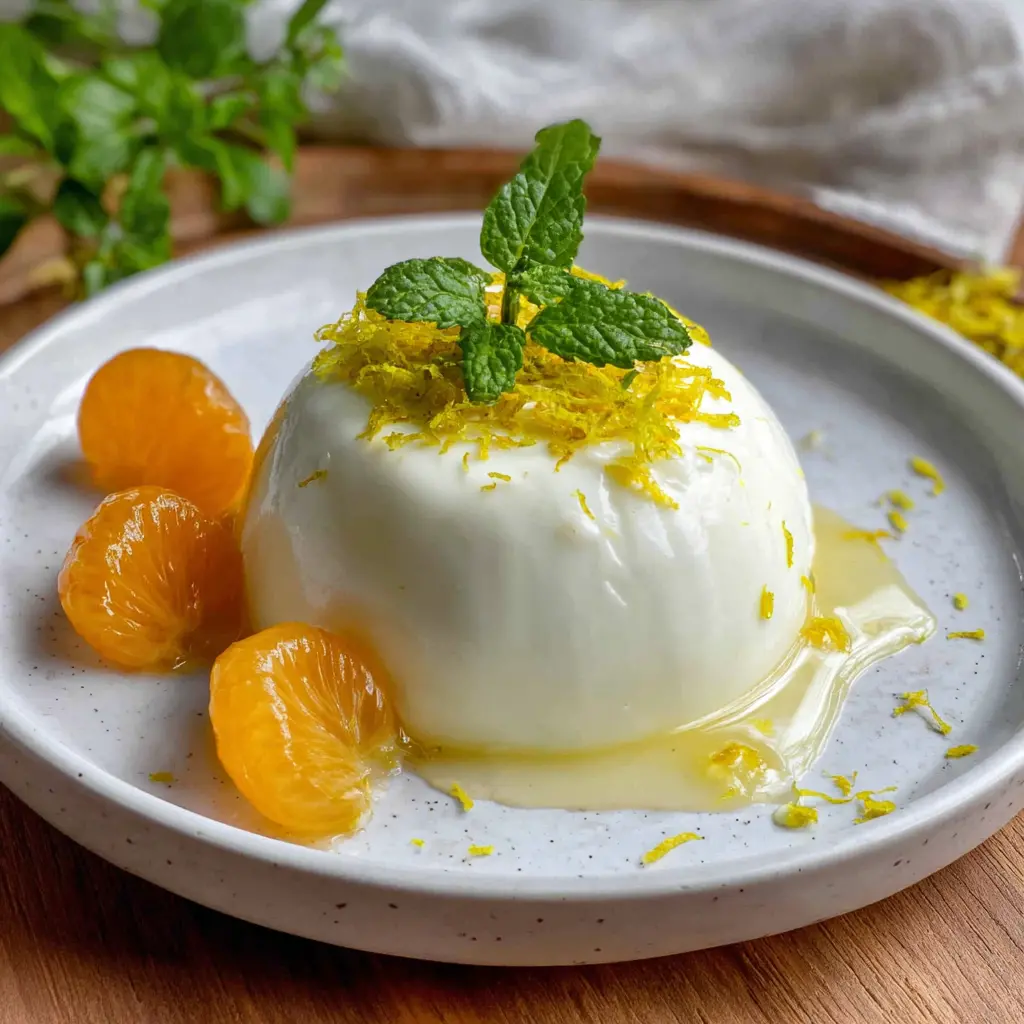
Silky Yuzu Panna Cotta
Ingredients
Method
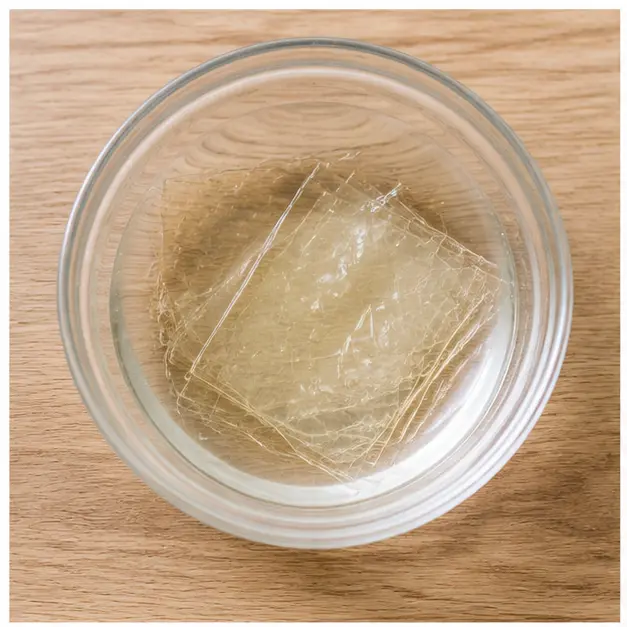
- Soak the leaf gelatin sheets in a bowl of cool water for 10 minutes until completely softened.
- If you plan to unmold the panna cotta, lightly coat four 4-ounce ramekins or dariole molds with a neutral oil, then wipe away any excess with a paper towel. For serving in glasses, simply set out four dessert glasses or cups.
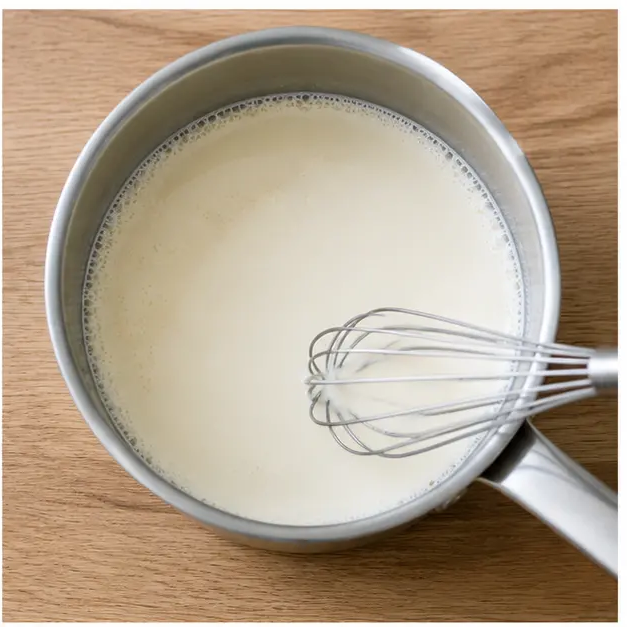
- In a medium saucepan, combine the heavy cream, milk, and sugar. Place over medium heat and stir gently until the sugar dissolves. Heat until the mixture just barely reaches a simmer (about 160-175°F), stirring often and taking care not to let it boil.
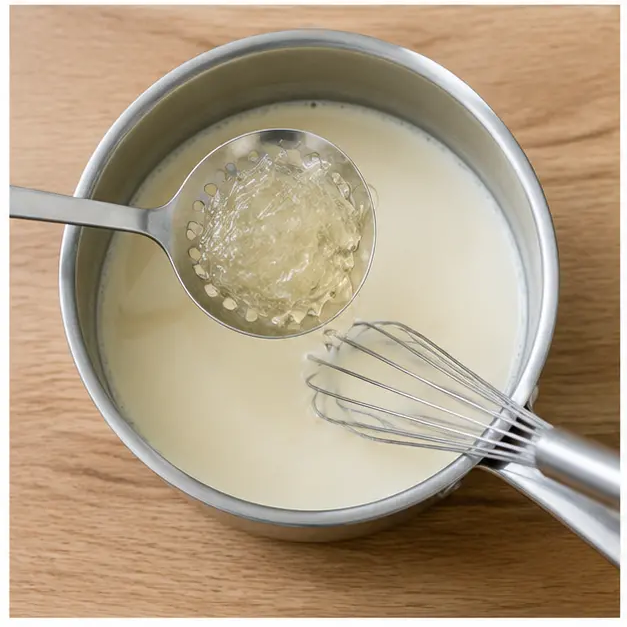
- Remove the pan from the heat. Lift the softened gelatin sheets out of the water, gently squeeze out extra water, and whisk them into the hot cream mixture until completely dissolved. Allow the mixture to cool at room temperature for 10 minutes, stirring occasionally.
- Slowly stir in the yuzu juice. The mixture will start to thicken slightly; stir steadily rather than whisking vigorously.
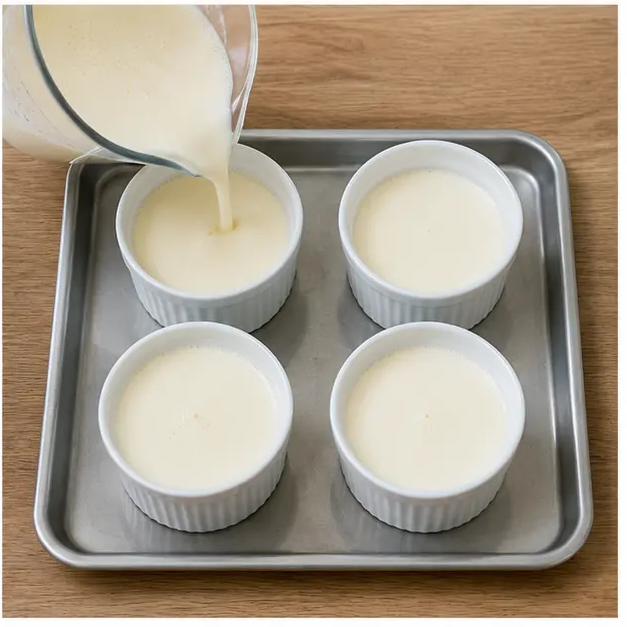
- Pour the panna cotta base into a spouted measuring cup. Carefully divide it evenly among the four prepared glasses or molds, trying not to let it drip down the insides. Leave them on the counter until they cool to room temperature.
- Cover each glass with plastic wrap and refrigerate for at least 4 hours, or until fully set. The panna cotta should still wobble softly when gently shaken.
- To unmold, dip each mold into hot water for 3-5 seconds without letting water spill over the top. If needed, run a thin knife around the inside edge. Invert onto a serving plate and lift off the mold.
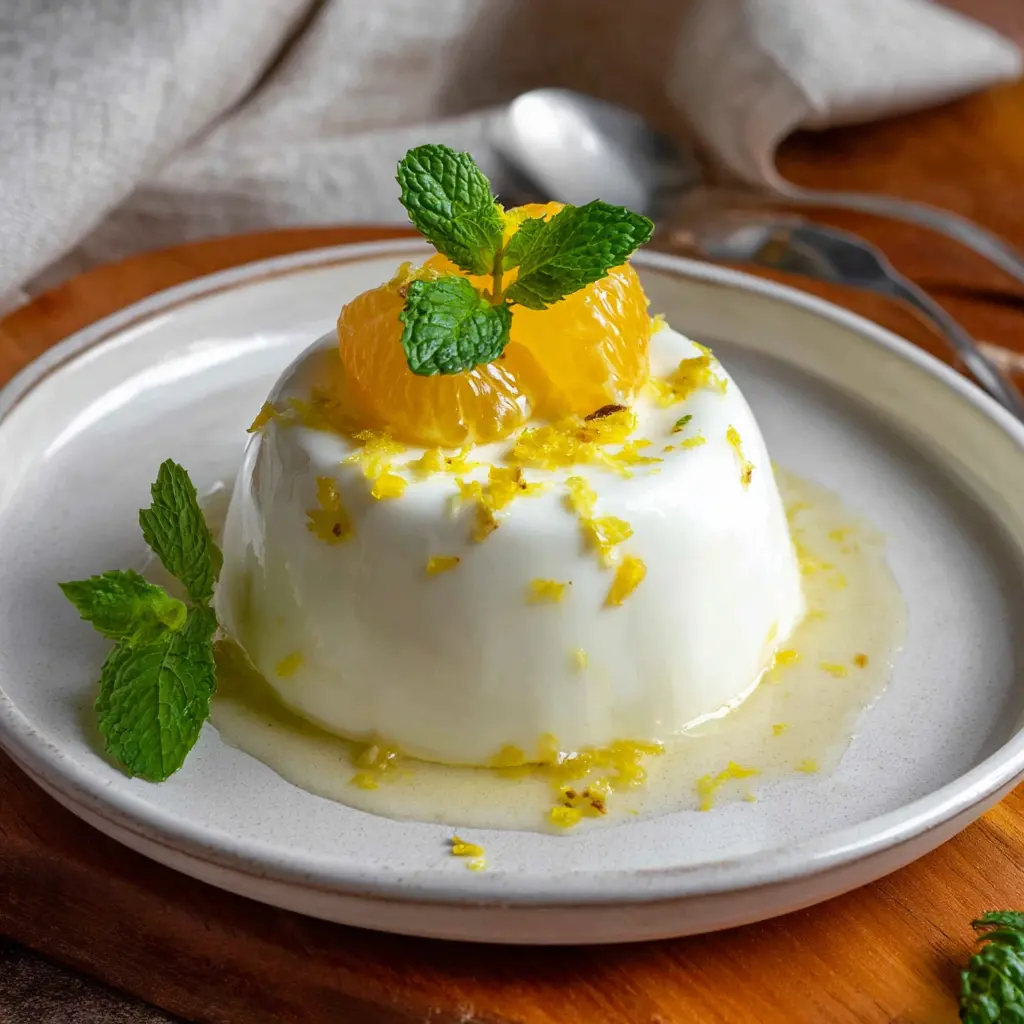
- Top with your choice of optional garnishes and serve.
Nutrition
Notes
Tried this recipe?
Let us know how it was!Why This Silky Yuzu Panna Cotta Deserves a Spot on Your Table
I’ll never forget the first time I tasted yuzu. It was at a tiny farmers market stall in Santa Monica, and the vendor handed me a wedge of this knobby, fragrant citrus. One sniff and I was hooked. It’s like someone took a lemon, a mandarin, and a handful of grapefruit blossoms and mashed them together in the best possible way. That floral, tart, impossibly bright aroma just stuck with me.
Fast forward to a sweltering LA July afternoon when I was hosting a last-minute dinner. I needed a dessert that felt elegant but wouldn’t require me to turn on the oven (because, honestly, who wants to bake when it’s 95°F outside?). That’s when this yuzu panna cotta came to life. It’s now my go-to summertime showstopper. No-bake, make-ahead, and every single spoonful delivers that silky, wobbly texture with a burst of Japanese citrus sunshine.
You know those desserts that look like you spent hours fussing in the kitchen? This is the opposite. You basically warm some cream, bloom a little gelatin, stir in that precious yuzu juice, and let the fridge do the heavy lifting. It’s a gluten-free, restaurant-style dessert that feels fancy but is incredibly forgiving. And the wobble test? Seeing that gentle jiggle after the 4-hour chill time is pure satisfaction.
Key Ingredients for the Best Yuzu Panna Cotta
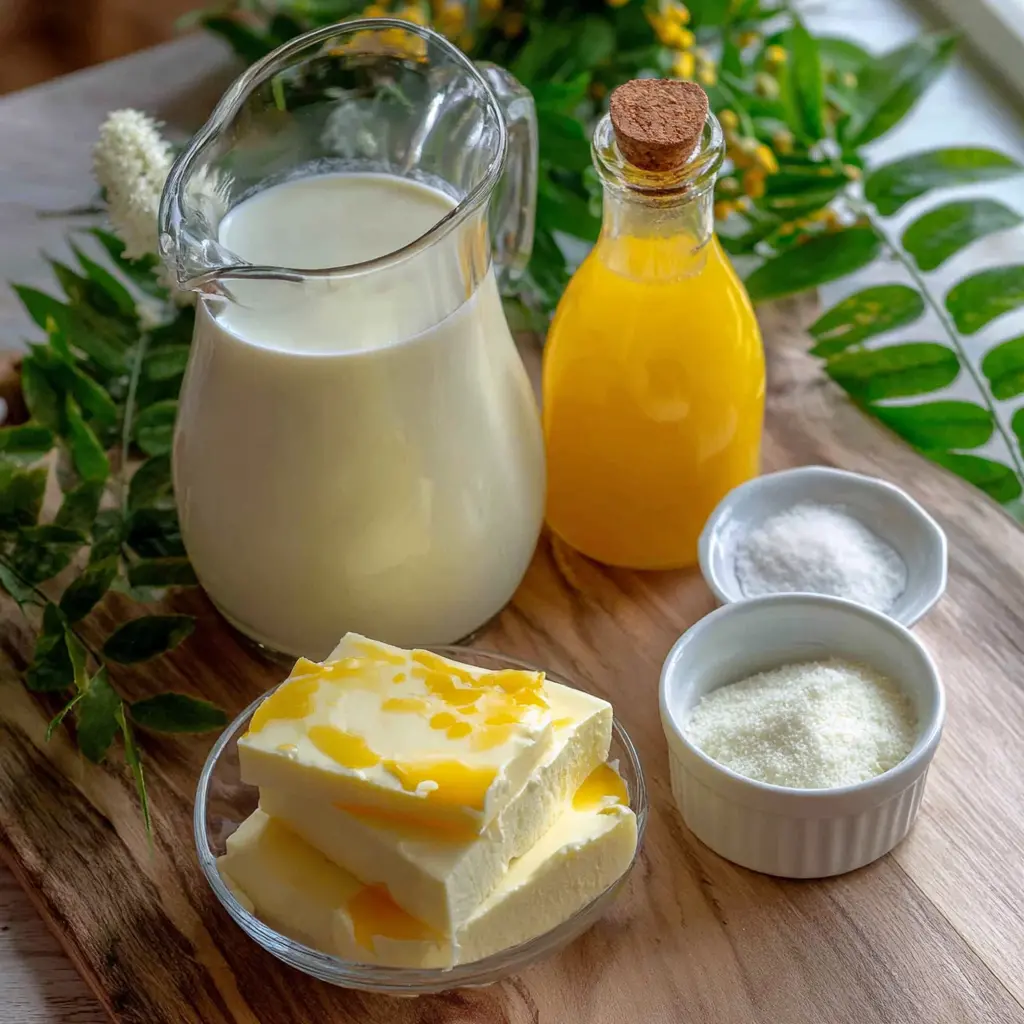
The ingredient list is short, which means each one really matters. You don’t need any vanilla bean paste or weird thickeners here, just good quality dairy and that star ingredient: yuzu juice.
- Heavy cream and whole milk. The ratio in this recipe (1 1/4 cups cream to 3/4 cup plus 2 tablespoons milk) is key. It gives you that lush, silky texture without being too heavy. Don’t swap for low-fat, or you’ll lose the signature melt-in-your-mouth feel.
- Leaf gelatin (or powdered). I use 3 sheets of leaf gelatin, which bloom in cool water. If you only have powdered gelatin, use 2 1/4 teaspoons, bloomed in a little cold water first. More on that in the tips.
- Granulated sugar. Just 1/4 cup to balance the tartness. You can adjust a tiny bit, but don’t go overboard because the yuzu syrup you drizzle later adds extra sweetness.
- Fresh yuzu juice. This is the soul of the dessert. Fresh is incredible if you can find it (check Japanese markets like Mitsuwa, or occasionally Whole Foods). Bottled yuzu juice works wonderfully too, and I’ve used it many times with no complaints.
If you’ve never smelled yuzu before, think of it as a perfume for your palate. It’s tart and sweet with floral notes that regular lemons just can’t replicate. Some describe it as a cross between a lemon and a grapefruit with a hint of mandarin. It’s the reason this citrus panna cotta tastes so sophisticated.
Tips for Perfect Panna Cotta That Wobbles Like a Dream
I’ve messed up my share of panna cotta over the years, so trust me when I say these little details make all the difference.
- Don’t you dare boil the cream. Heat it gently until it just barely reaches a simmer (around 160-175°F). If it boils, the cream can break, and your panna cotta might end up with a grainy texture. Nobody wants that.
- Bloom gelatin properly. Soak leaf gelatin in cool water for exactly 10 minutes. If using powdered, sprinkle it over a couple tablespoons of cold water and let it sit until spongy. Squeeze out the excess water from the sheets before adding them to the warm cream. Forgetting this step dilutes the base and messes with the set.
- Cool before adding yuzu. After whisking the gelatin into the hot cream, let the mixture cool at room temperature for 10 minutes. Then stir in the yuzu juice. Adding it to scalding liquid can mute the fresh citrus flavor and even cause a tiny bit of curdling.
- Strain it. Some folks skip this, but I always pour the base through a fine mesh strainer into a spouted measuring cup. It catches any undissolved gelatin bits or milk skin and guarantees a silky smooth result.
- Taste and tweak. Before you pour into molds, dip a spoon in and taste. Want it a touch sweeter? Stir in a tiny bit more sugar, dissolved in a teaspoon of warm water. Craving more tang? Add a splash more yuzu juice, no more than an extra teaspoon.
The Foolproof Unmolding Trick
How to get that clean release: Lightly coat your ramekins with a neutral oil (wipe away excess with a paper towel). When ready to unmold, dip the mold into a bowl of hot water for just 3 to 5 seconds. Don’t let water spill over the top. If it resists, run a thin paring knife around the edge once, then invert onto the plate. It should slide right out, trembling beautifully.
And hey, if the thought of unmolding stresses you out, just serve the yuzu panna cotta straight in pretty glasses. It still looks elegant and saves you a step.
Easy Variations to Make It Your Own
While the classic version is flawless, I love playing around with flavors depending on what’s in season or who’s coming to dinner.
- Coconut Yuzu Panna Cotta. Swap half the heavy cream with full-fat canned coconut milk. It adds a subtle tropical note that pairs beautifully with the citrus. The texture stays creamy but gets a slightly lighter finish.
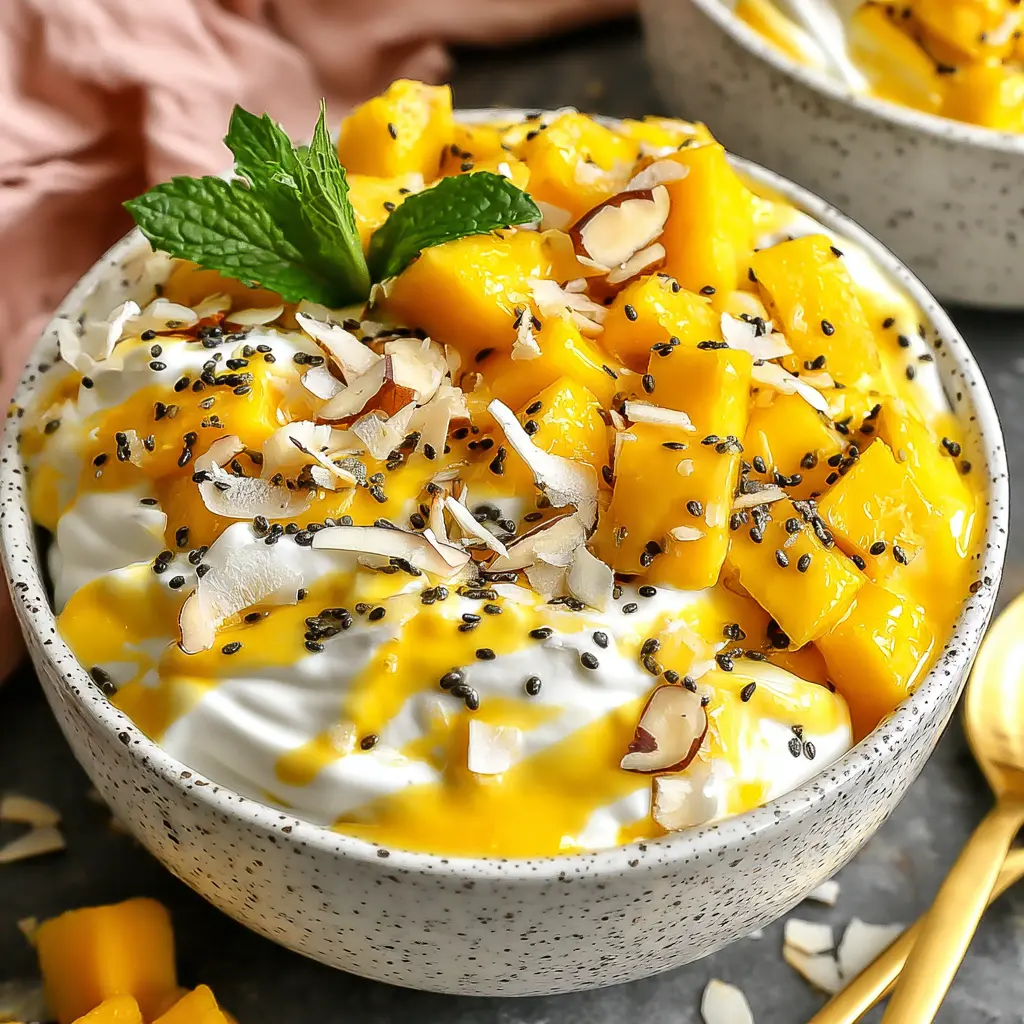
- Mango Yuzu Layer. Blend a ripe mango until smooth, strain it, and spoon a thin layer over the set panna cotta. Chill for another 20 minutes to set the mango before adding your garnishes.
- Blueberry Compote Topper. Simmer a handful of blueberries with a little sugar until they soften and release their juices. Cool completely, then spoon over the panna cotta just before serving.
- Lactose-Free Version. Use lactose-free whole milk and lactose-free heavy cream. The recipe works exactly the same way, and the set is just as lovely.
- No Yuzu? No problem. While the flavor won’t be identical, you can approximate yuzu by mixing fresh lemon juice with a bit of mandarin zest, or use bottled yuzu essence (just a few drops) combined with lemon juice. It’s a decent yuzu substitute in a pinch.
Serving Suggestions for a Stunning Dessert
This is where you get to play restaurant chef. When my guests see these plated up, they assume I’ve been secretly training at some fancy pastry school. I let them believe it.
- Yuzu syrup. A quick drizzle of the three-ingredient syrup from the recipe notes adds glossy sweetness and intensifies the citrus vibe. Simmer 3 tablespoons yuzu juice, 1 tablespoon water, and 1 tablespoon sugar until thickened, then cool.
- Mandarin segments and zest. A few fresh mandarin wedges and a shower of finely grated lemon, lime, or yuzu zest add brightness and a hit of color.
- Candied citrus peel. Chewy, sweet, and a bit fancy. It contrasts the silky panna cotta beautifully.
- White chocolate shavings. Use a vegetable peeler on a bar of good white chocolate. The creamy, sweet shards melt on your tongue alongside the tart custard.
- Fresh mint sprigs. A tiny leaf or two gives it that garden-fresh pop.
- Edible flowers garnish. If you have them, a few tiny purple or yellow flowers turn this into a straight-up showstopper.
For a complete experience, serve alongside a buttery shortbread biscuit or an almond tuile. The crunch is a welcome contrast to that spoon-tender texture.
Storage and Make-Ahead Tips
This no-bake dessert is basically designed for stress-free entertaining. I often make it the day before a party and forget about it until it’s time to serve.
- Refrigerate covered. Wrap each ramekin or dessert glass tightly with plastic wrap to prevent the panna cotta from absorbing fridge odors (onions and leftovers are the enemy).
- Keeps up to 3 days. I’ve pushed it to 72 hours and the texture was still perfect. After that, the gelatin starts to weaken a bit.
- Make ahead in stages. You can prepare the yuzu syrup up to 5 days in advance and store it in a jar in the fridge. The garnishes like mandarin segments or candied peel can be prepped the day of.
- Don’t freeze. Freezing completely ruins the delicate gelatin structure and causes weeping when thawed. Just keep it chilled.
- For unmolded panna cotta, store the unmolded base on a plate, covered with a large bowl or cake dome, and add delicate garnishes just before serving.
Frequently Asked Questions
If you’re as obsessed with this bright, no-fuss dessert as I am, I’d love to see your version. Tag me or leave a comment! And for more summer dessert inspiration, find me over on Pinterest where I collect all my favorite make-ahead entertaining ideas.
Source: Learn More About This Dish
Can I use gelatine powder instead of sheets?
Absolutely. Use 2 1/4 teaspoons powdered gelatin (about one standard envelope). Sprinkle it over 2 tablespoons of cold water, let it bloom for 5-10 minutes until spongy, then whisk into the warm cream mixture until fully dissolved. The set will be just as creamy and wobbly.
Can I make this dessert lactose-free?
Yes! Swap the whole milk and heavy cream with their lactose-free counterparts. I’ve had great results with Lactaid brand products. The panna cotta sets identically and tastes just as rich, so no one will guess it’s dairy-free friendly.
Can I adjust the sweetness?
You can tweak it within reason. The recipe uses 1/4 cup sugar, which balances the tart yuzu without being cloying. For a less sweet version, reduce to 3 tablespoons. Adding more than 1/3 cup might interfere slightly with the gelatin’s setting ability, so I’d taste before pouring and add sugar dissolved in a little warm cream if needed.
What can I use if I don’t have yuzu juice?
Fresh yuzu juice is ideal, but bottled yuzu juice from an Asian grocery or online is your next best bet. In a pinch, combine 3 tablespoons fresh lemon juice with the finely grated zest of half a mandarin to mimic that floral-tart profile. Yuzu essence (a few drops) also works when stirred into lemon juice.