
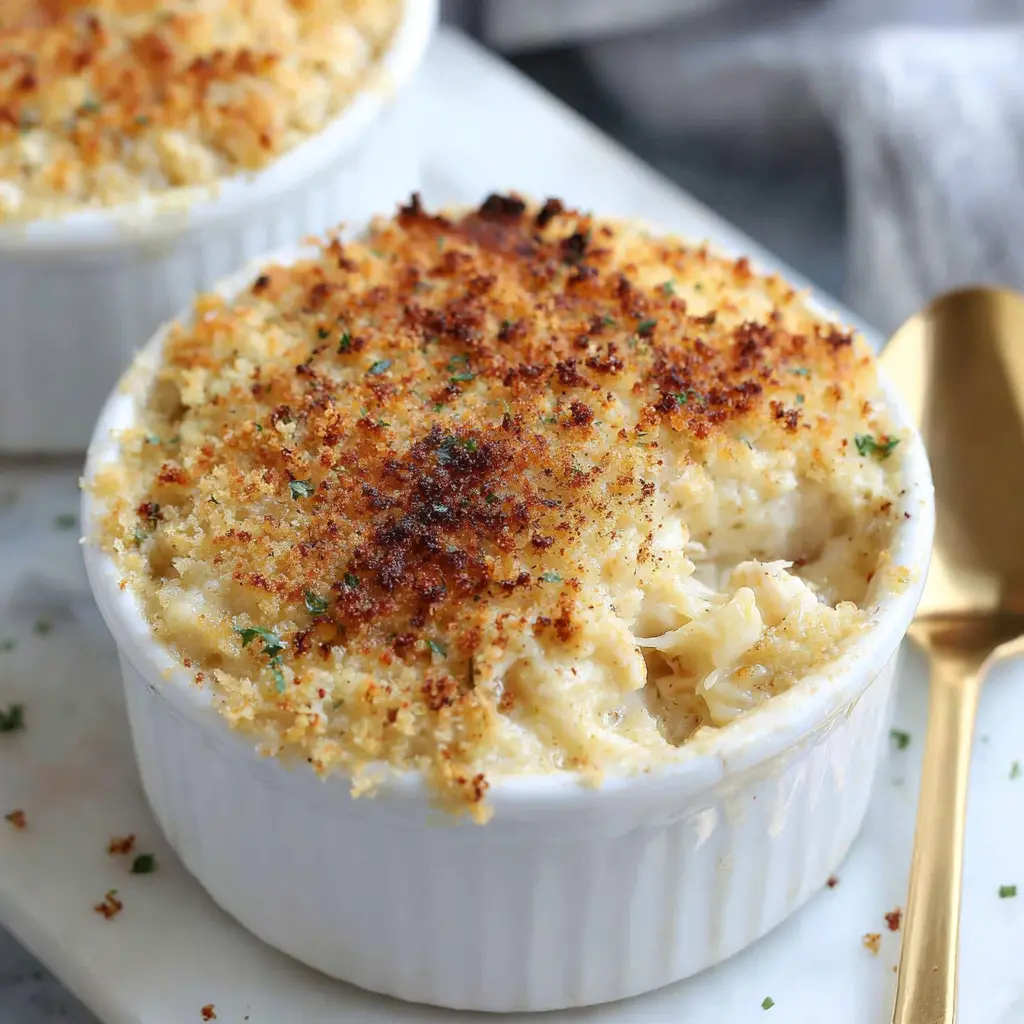
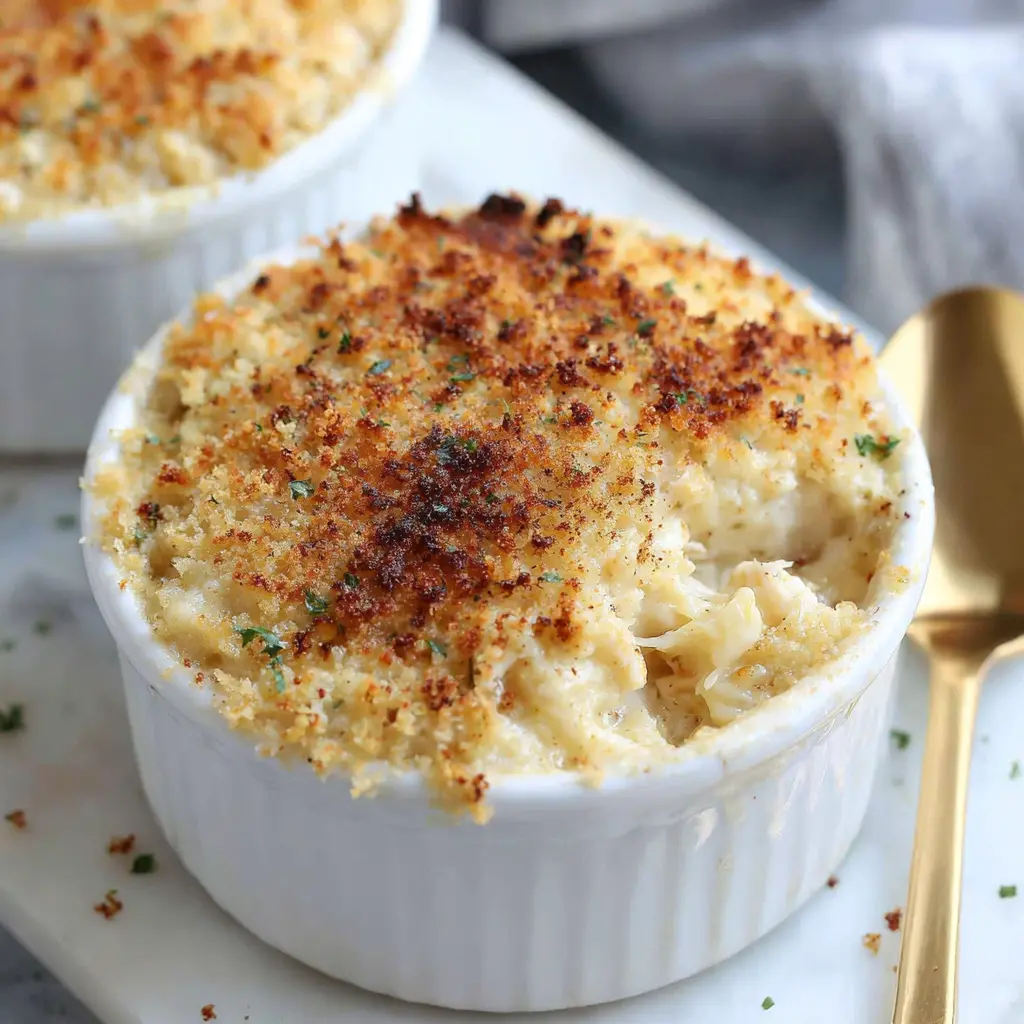
Classic Crab Imperial
Ingredients
Method
- Preheat your oven to 400 degrees Fahrenheit. Lightly grease four small ramekins or a 1-quart baking dish.
- In a large bowl, gently fold together the crabmeat, mayonnaise, beaten egg, Worcestershire sauce, Dijon mustard, lemon juice, Old Bay seasoning, salt, and pepper until just combined. Be careful not to break up the crab lumps.
- Gently stir in the melted butter and fresh parsley until evenly distributed.
- Divide the crab mixture evenly among the prepared ramekins, or spread it into the baking dish.
- In a small bowl, mix the panko breadcrumbs with the melted butter (and Parmesan, if using) until the crumbs are well coated.
- Sprinkle the panko topping evenly over the crab mixture. Lightly dust with paprika for color.
- Bake for 15 to 20 minutes, until the top is golden brown and the filling is bubbly. For extra browning, broil for the last 1 to 2 minutes.
- Serve hot, garnished with extra parsley and lemon wedges if desired.
Nutrition
Notes
Tried this recipe?
Let us know how it was!What Is Classic Crab Imperial?
I still remember the first time I ordered crab imperial. It was at a little coastal spot in Maryland, the kind of place with checkered tablecloths and the smell of Old Bay in the air. The waiter set down this little ramekin, all golden and bubbly on top. One bite and I was hooked. That creamy, rich filling with those big, sweet lumps of crab. It felt so fancy, so special. I knew right then I had to figure out how to make it at home.
So what exactly is classic crab imperial? Think of it as the elegant cousin of the crab cake. It’s a baked seafood casserole, traditionally served in individual ramekins or a single baking dish. The magic is in the binder: a simple mix of mayonnaise, egg, and a few key seasonings that holds the crab together without overwhelming it. Unlike crab cakes, which use breadcrumbs as a filler and are often fried, crab imperial lets the crab be the absolute star. There’s no filler here. Just pure, decadent crab in every single bite.
This version is my go-to for dinner parties and special occasions. It’s impressive without being fussy. And honestly, after a few tries (and a few flops), I’ve nailed down exactly what makes it work. Let’s get into it.
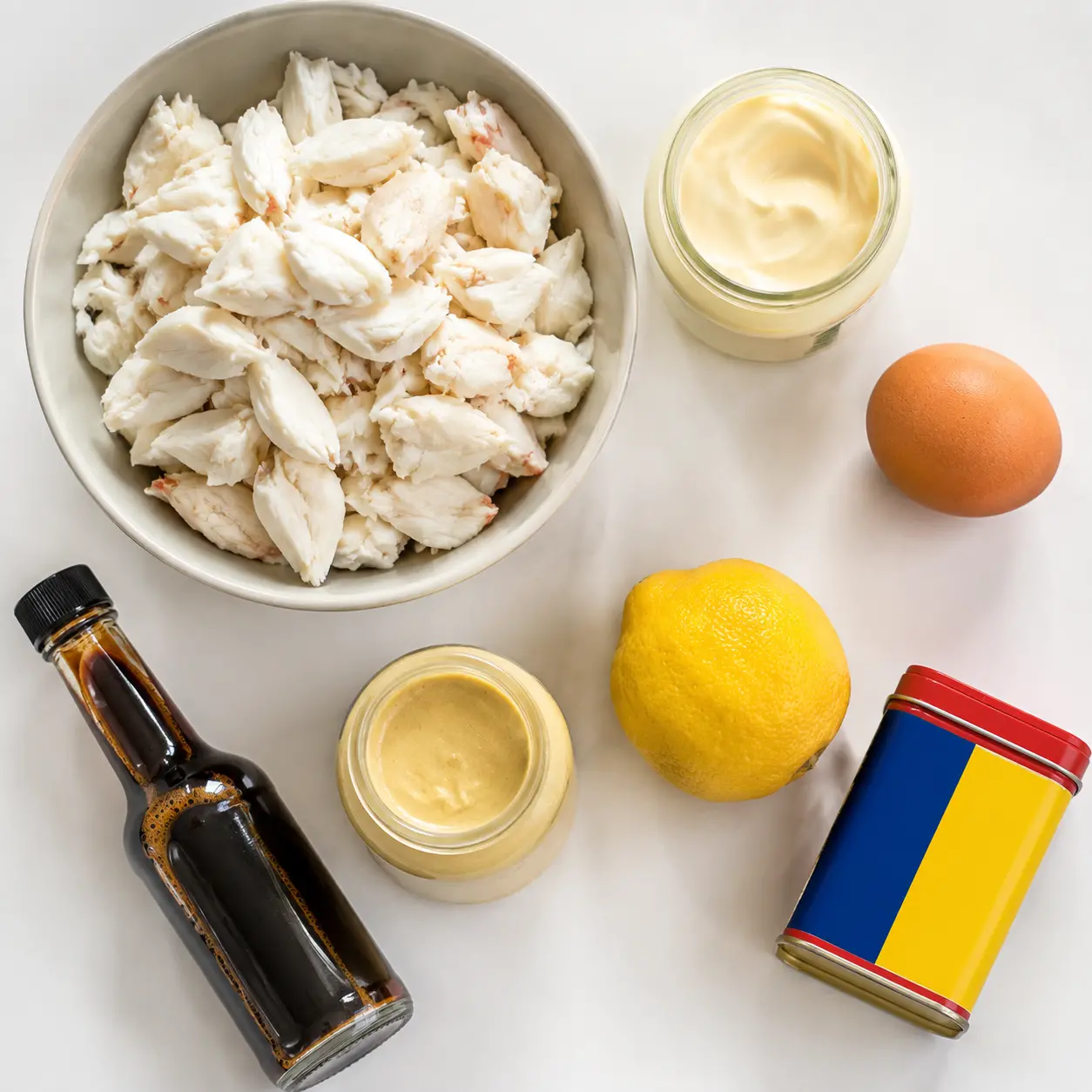
Ingredients for Classic Crab Imperial
The beauty of this crab imperial recipe is its simplicity. You don’t need a long list of exotic ingredients. You just need good, honest components that work together. Here’s what you’ll be reaching for:
- Jumbo lump crabmeat: This is non-negotiable. Jumbo lump are the biggest, most beautiful pieces of meat from the crab. They give you that incredible texture. You want to see those big, white chunks. Backfin or claw meat is finer and can get lost in the mix. Trust me, spring for the good stuff.
- Mayonnaise: The backbone of the sauce. Use a high-quality one like Hellmann’s or Duke’s. It provides richness and moisture. Don’t use a low-fat version; the emulsion is key to keeping everything together.
- Egg: This is your binder. A lightly beaten egg helps the mixture set up as it bakes, giving you that perfect, sliceable texture.
- Worcestershire sauce and Dijon mustard: These two are the flavor powerhouses. Worcestershire adds that deep, savory umami kick, while Dijon brings a sharp, tangy note that cuts through the richness.
- Freshly squeezed lemon juice: A little brightness to wake everything up. Bottled juice just doesn’t have the same zing.
- Old Bay seasoning: Is it even a Maryland-style dish without it? This blend of celery salt, paprika, and other spices is the soul of the recipe.
- Unsalted butter and fresh parsley: The butter adds richness to the mixture and creates the base for your topping. Fresh parsley gives a pop of color and freshness.
- Panko breadcrumbs and Parmesan cheese: For that irresistible golden crust. Panko gives you a light, crunchy texture. The Parmesan is optional but adds a lovely savory depth.
How to Make Crab Imperial Step by Step
Making classic crab imperial is more about technique than complicated steps. The whole process, from start to finish, takes about 35 minutes. The key? Be gentle. Seriously, treat that crabmeat like it’s made of gold. Here are the four main stages you’ll go through:
Stage 1: Mix the Binder
In a large bowl, you’ll whisk together the mayonnaise, the beaten egg, Worcestershire sauce, Dijon mustard, lemon juice, Old Bay, salt, and pepper. Get it nice and smooth. This is your imperial sauce. It should look creamy and pale yellow. Take a little taste here. Adjust the salt or a dash more Old Bay if you want. This is your chance to get the seasoning right before the crab goes in. Once you’re happy, gently stir in the melted butter and fresh parsley.
The goal here is a cohesive, flavorful base that will coat every lump of crab without drowning it. You want it to be thick enough to cling, but not pasty.
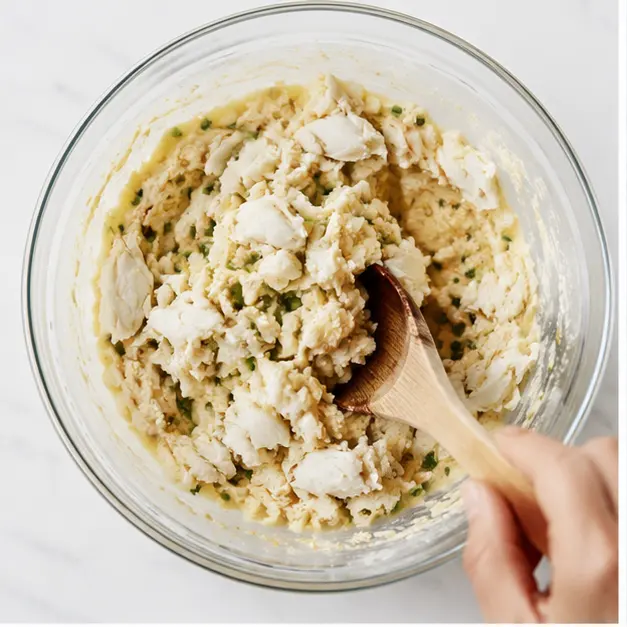
Stage 2: Fold in the Crab
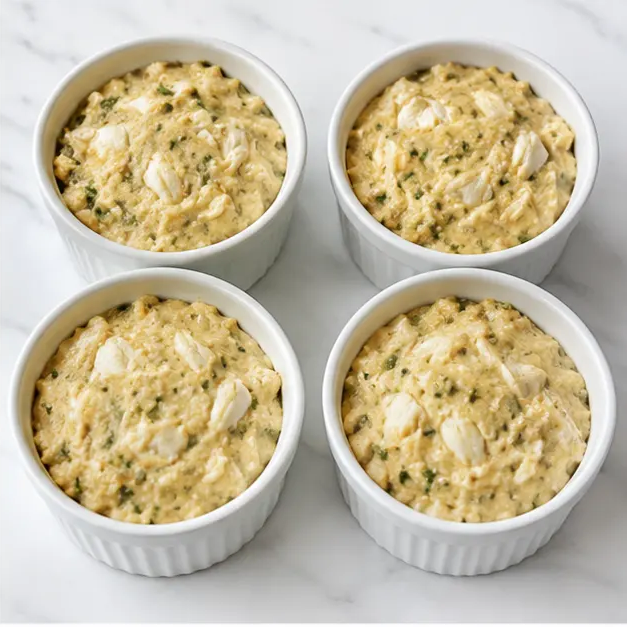
This is the most important part. Add your drained and picked-over jumbo lump crabmeat to the bowl. Now, using a rubber spatula, very gently fold the mixture together. The motion is like you’re turning over a delicate pile of leaves. You want to coat the crab lumps without breaking them up. Overmixing is the number one mistake people make. It turns your beautiful crab imperial into a pasty, crab-flavored mush. Stop as soon as everything is just combined. It’s okay if some lumps are a little bigger than others. That’s the sign of a good, rustic dish.
Stage 3: Fill and Top
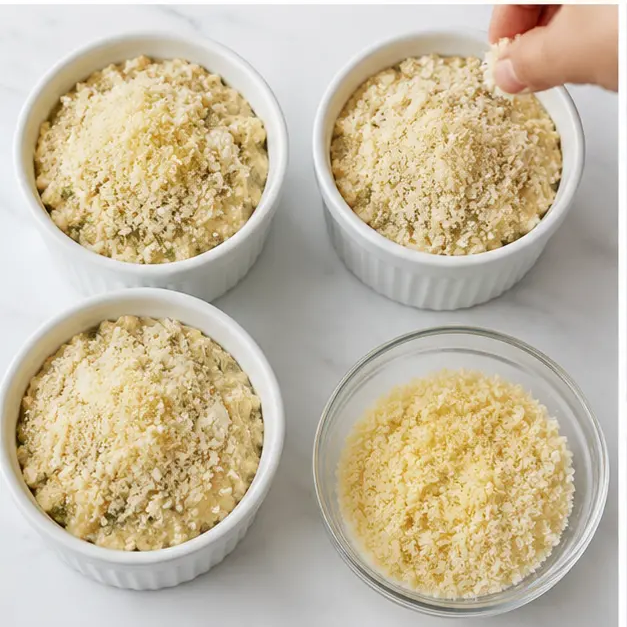
Divide the crab mixture evenly among your greased ramekins or spread it into a 1-quart baking dish. Don’t pack it down. Just let it sit gently in the dish. Now for the topping. In a small bowl, mix the panko breadcrumbs with the melted butter (and the Parmesan if you’re using it). You want every crumb to be lightly coated. Sprinkle this mixture evenly over the top of the crab. It should form an even, gravelly layer. Finish with a light dusting of paprika. This isn’t just for color, though it does look beautiful. Paprika adds a subtle, smoky warmth.
Stage 4: Bake to Perfection
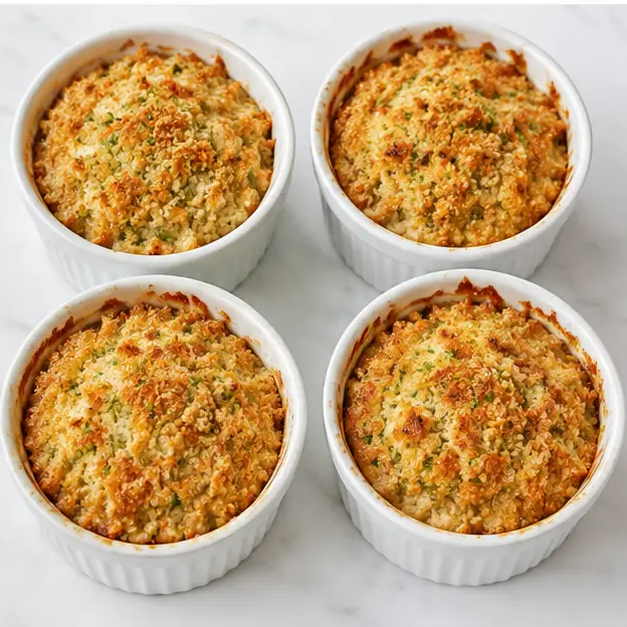
Place your ramekins on a rimmed baking sheet (this catches any bubbly overflow). Bake in a preheated 400°F oven for 15 to 20 minutes. You’re looking for two things: the top should be a deep golden brown, and the filling should be bubbly around the edges. For an extra-crispy crust, you can switch the oven to broil for the last 1 to 2 minutes. Just watch it carefully, broilers are fast. The internal temperature should hit about 160°F. When it comes out, it will be puffed up and gorgeous. Let it rest for just a minute or two before serving.
Tips for the Best Crab Imperial
I’ve made this dish more times than I can count, and I’ve made every mistake in the book. I once used imitation crab in a pinch. Never again. It was rubbery and sad. So learn from my blunders. Here are the tips that make all the difference:
- Don’t overmix. I said it before, I’ll say it again. Gentle folding is your best friend. The lumps are the whole point.
- Use room temperature ingredients. Let your mayonnaise and egg sit out for about 10 minutes before you start. A room temperature binder emulsifies better and bakes more evenly.
- Drain your crab thoroughly. Excess liquid is the enemy of a creamy, set casserole. It makes the sauce watery. Pat the crabmeat gently with a paper towel if it looks wet.
- Check your crab. Before you do anything, smell the crabmeat. It should smell like a clean ocean breeze. If it smells fishy or sour, it’s not fresh. Don’t use it.
- Use the right mayo. A high-quality, full-fat mayonnaise is crucial. Low-fat or cheap mayo can break and separate in the oven, leaving you with a greasy mess.
- Bake on the top rack. For the best browning, place your ramekins on the top rack of the oven. The direct heat helps the panko topping get beautifully golden.
Variations and Substitutions
While I love this classic crab imperial just as it is, it’s also a fantastic base for experimentation. Here are a few ways to make it your own:
- Deviled Crab: For a spicier kick, add a pinch of cayenne pepper or a dash of hot sauce to the binder. You can also mix in some finely diced red bell pepper for sweetness and a little crunch.
- Stuffing: This crab imperial mixture is incredible as a stuffing. Use it to fill hollowed-out mushroom caps, lobster tails, or even large shrimp before baking. Just adjust the baking time accordingly.
- No Old Bay? Make your own blend. Mix 1 tablespoon celery salt, 2 teaspoons ground bay leaves, 2 teaspoons smoked paprika, 1 1/2 teaspoons black pepper, 1/4 teaspoon cayenne pepper, 1/4 teaspoon allspice, 1 teaspoon dry mustard, and a pinch each of nutmeg, cinnamon, and ginger. Store it in a jar for next time.
- Gluten-Free: This recipe is naturally gluten-free if you ensure your mayonnaise and Worcestershire sauce are certified gluten-free and you simply omit the panko breadcrumb topping. The dish will still be delicious, just without the crunchy crust.
How to Store and Reheat Leftovers
If you’re lucky enough to have leftovers, you’ll want to treat them right. Crab imperial is best enjoyed fresh, but it can be stored. Here’s the deal:
Storing: Let the ramekins cool completely. Then cover them tightly with plastic wrap or transfer the leftovers to an airtight container. They’ll keep in the refrigerator for up to 2 days. Do not freeze this dish. The mayonnaise-based emulsion will break when thawed, leaving you with a watery, separated mess.
Reheating: The oven is your best friend here. The microwave will make the crab rubbery and the sauce oily. Preheat your oven to 350°F. Place the ramekins on a baking sheet and heat for about 10 to 15 minutes, until warmed through. The top will get a little crispy again. For a single serving, a toaster oven works perfectly too.
What to Serve with Crab Imperial
Crab imperial is rich and decadent, so you want sides that can stand up to it without competing. Think bright, fresh, and simple. Here are some of my favorite pairings:
- A bright, acidic salad: A simple arugula salad with a lemon vinaigrette is perfect. The peppery greens and tangy dressing cut through the richness of the crab.
- Crusty bread: You’ll want something to soak up every last bit of that creamy sauce. A warm, crusty baguette or some sourdough slices are ideal.
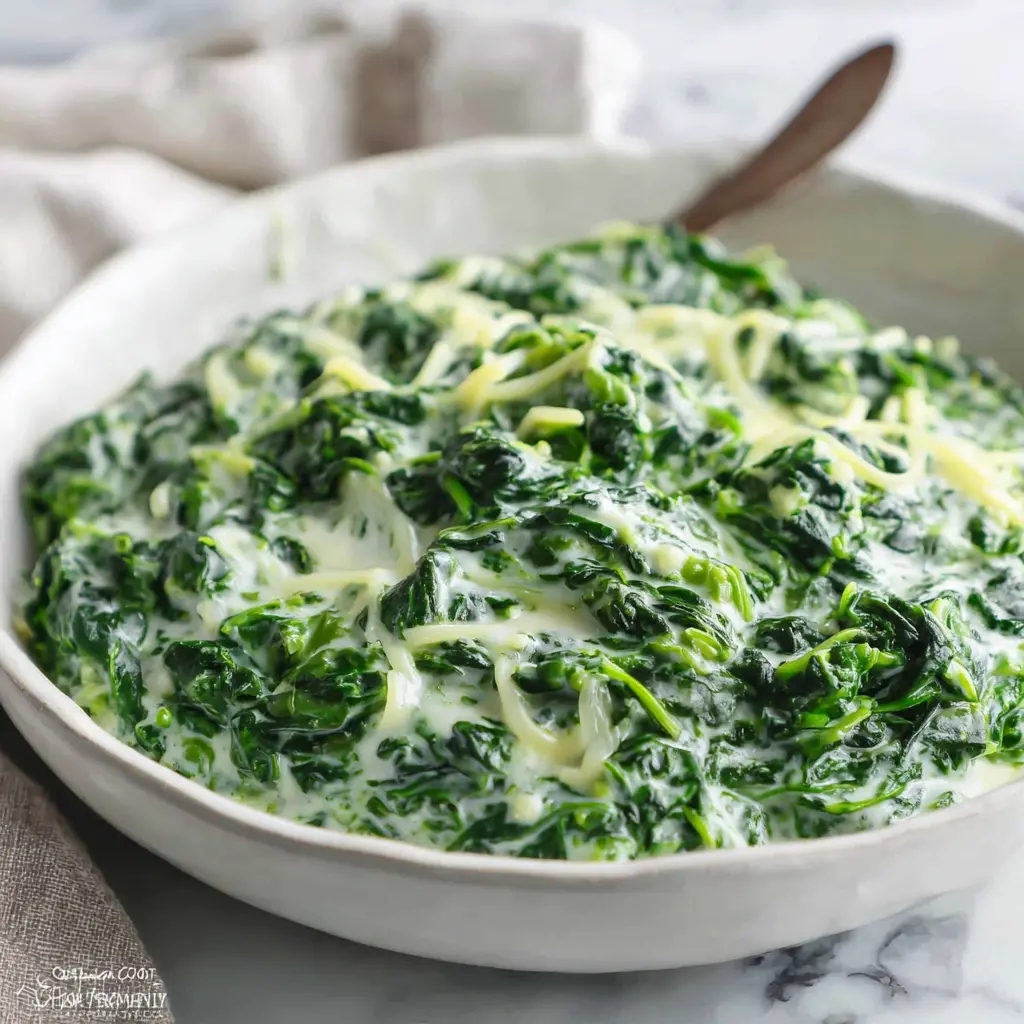
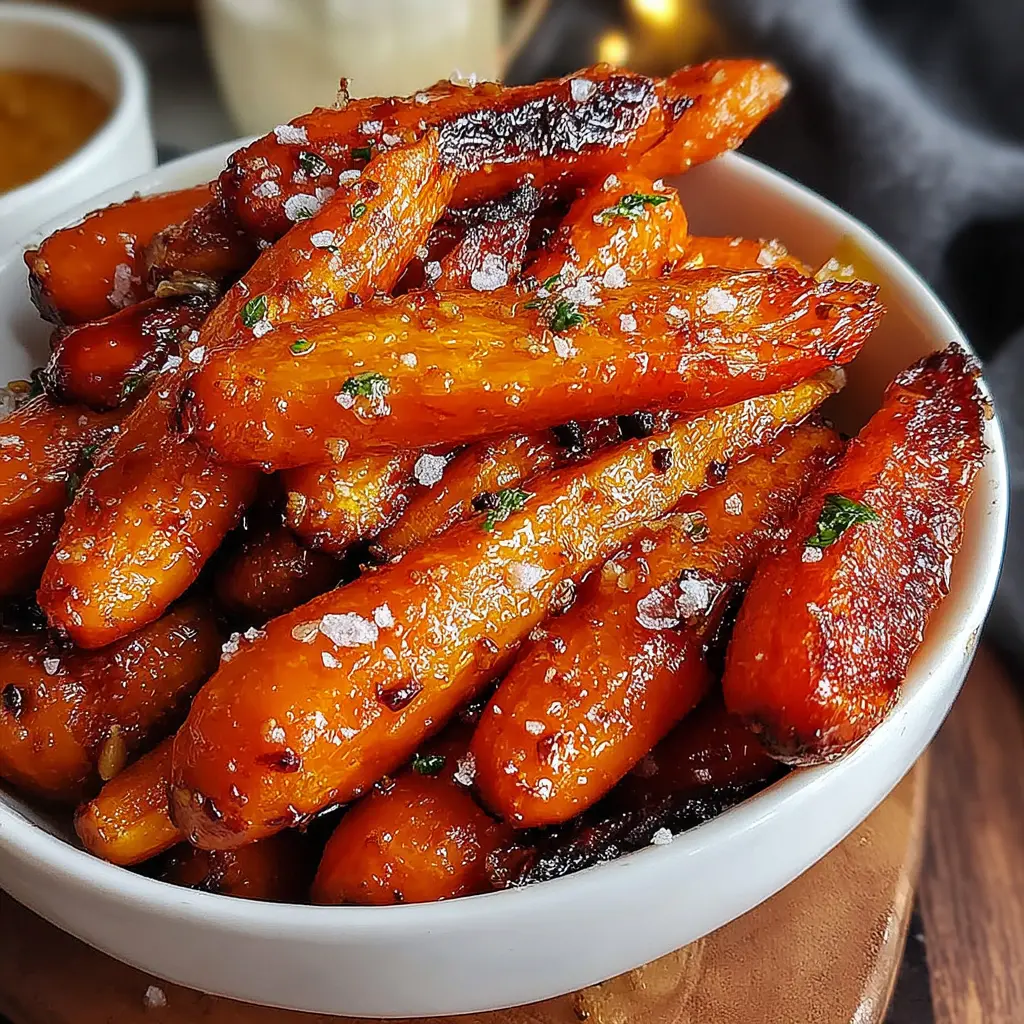
- Roasted vegetables: Lightly charred asparagus, green beans, or roasted cherry tomatoes add color and a fresh, savory element.
- Butter crackers: For a more casual presentation, serve the ramekins with a side of buttery crackers for scooping.
- Lemon wedges: Always, always serve with fresh lemon wedges. A squeeze of lemon juice right before eating brightens the whole dish.
Frequently Asked Questions
When you pull these golden ramekins out of the oven, everyone around the table is going to think you’re a pro. The smell of Old Bay, the sizzle of the bubbly edges, that first crack through the crunchy crust into the creamy, sweet crab underneath. It’s a moment worth savoring. And now you know exactly how to get there. If you’re looking for more inspiration for your next seafood feast, I’m always pinning new ideas over on my Pinterest board. Come say hi and save this recipe for later. Happy cooking!
What is classic crab imperial made of?
Classic crab imperial is made with jumbo lump crabmeat mixed with a creamy binder of mayonnaise, egg, Worcestershire sauce, Dijon mustard, lemon juice, and Old Bay seasoning. It’s topped with buttered panko breadcrumbs and baked until golden and bubbly.
Can I substitute ingredients in classic crab imperial?
You can, but be careful. Use a high-quality full-fat mayonnaise for the best emulsion. You can substitute Dijon with a bit of dry mustard, and if you don’t have Old Bay, make a quick blend of celery salt, paprika, and cayenne. Avoid low-fat or imitation ingredients.
How do you keep crab imperial from falling apart?
The egg in the binder acts as a natural thickener. The key is to not overmix, which can break the lumps. Also, make sure you drain the crabmeat well so the mixture isn’t too wet. Baking at the correct temperature of 400°F helps it set properly.
What is the best way to store leftover crab imperial?
Let the crab imperial cool completely, then cover the ramekins tightly with plastic wrap or transfer to an airtight container. Store in the refrigerator for up to 2 days. Do not freeze it, as the mayonnaise-based sauce will separate and become watery when thawed.
How long should you bake classic crab imperial?
Bake classic crab imperial at 400°F for 15 to 20 minutes. You’ll know it’s done when the top is golden brown and the filling is bubbly around the edges. For extra browning, you can broil for the last 1 to 2 minutes. The internal temperature should reach about 160°F.
Can I make Crab Imperial ahead of time?
Yes, you can. Assemble the ramekins completely, but don’t add the panko topping. Cover and refrigerate for up to 8 hours. When you’re ready to bake, add the topping and bake as directed, adding a few extra minutes if the mixture is cold from the fridge.
Can I use imitation crab?
Please don’t. Imitation crab is made from processed fish and has a completely different texture and flavor. It’s rubbery and won’t give you the sweet, delicate lumps that make classic crab imperial so special. Stick with real jumbo lump crabmeat for the best results.
What gives Crab Imperial its orange color?
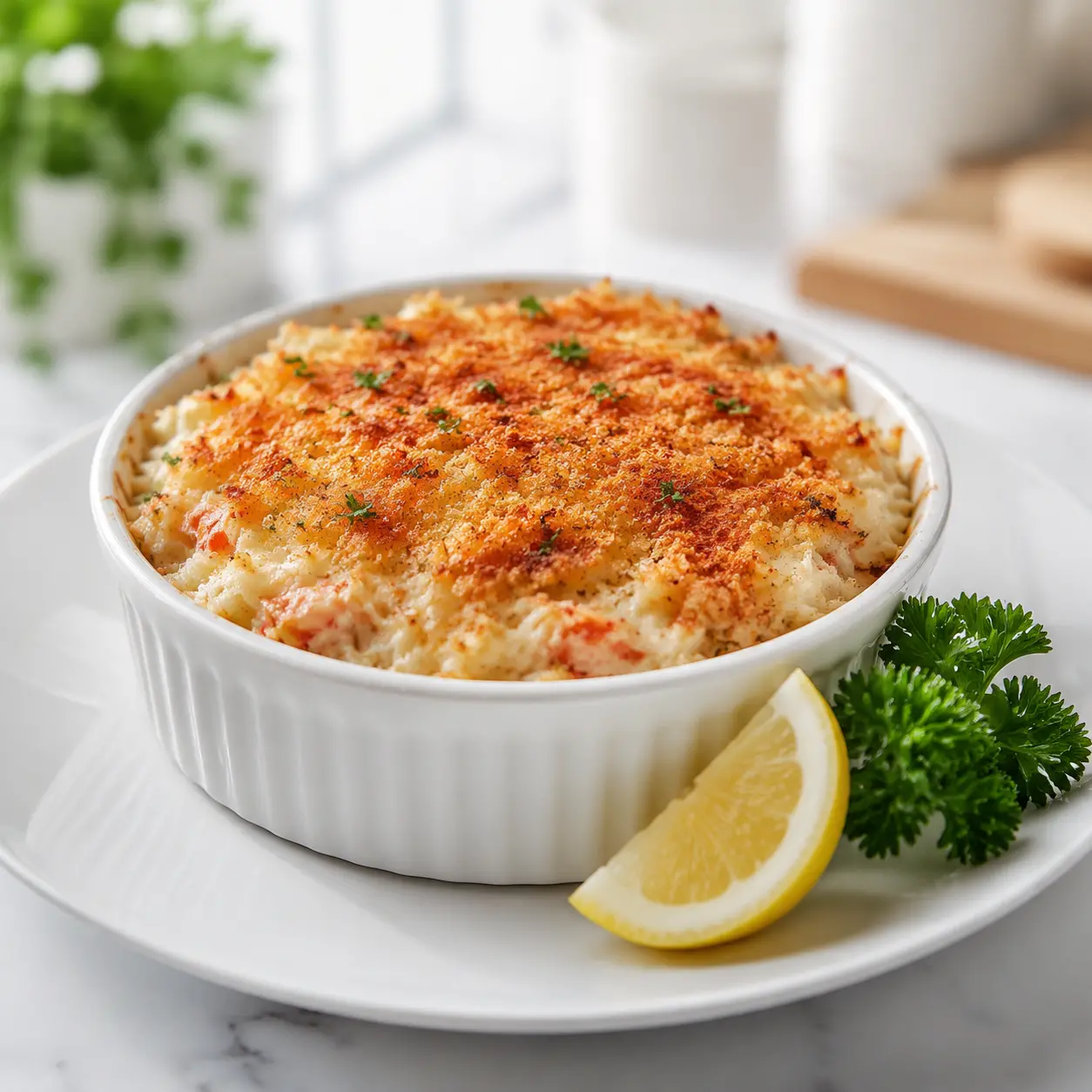
The orange color in classic crab imperial comes from two things: the paprika dusted on top before baking, and the Old Bay seasoning in the binder. Old Bay contains paprika and other spices that add a warm, reddish hue to the creamy sauce.
What is the difference between Crab Imperial and crab cakes?
Crab imperial is a baked casserole with a creamy, mayonnaise-based sauce and minimal filler. Crab cakes are formed into patties with more breadcrumbs and are typically pan-fried or broiled. Crab imperial is richer and more elegant, while crab cakes are heartier and more casual.
Why did my Crab Imperial separate or become greasy?
This usually happens from using low-fat or low-quality mayonnaise, which breaks down under heat. Overbaking can also cause separation. Make sure you use full-fat mayonnaise, bake at the correct 400°F temperature, and don’t leave it in the oven longer than 20 minutes.
What is the best type of crabmeat to use for Crab Imperial?
Jumbo lump crabmeat is the best choice for classic crab imperial. These large, whole pieces of meat provide the best texture and visual appeal. While fresh is ideal, high-quality refrigerated pasteurized jumbo lump crab is a great alternative. Avoid shelf-stable canned crab.
Can you freeze crab imperial?
No, you should not freeze crab imperial. The mayonnaise-based sauce will separate when thawed, resulting in a watery, grainy texture. The dish is best made fresh or stored in the refrigerator for up to 2 days. Reheat it gently in the oven for the best results.

5 Responses
This looks amazing, but I’m wondering if I can substitute the mayonnaise with Greek yogurt to make it a bit lighter? Has anyone tried that?
Hi Mark, great question! I haven’t tested it with Greek yogurt myself, but I think it could work in a pinch. The texture might be a bit less rich and creamy, so you may want to add an extra tablespoon of melted butter to compensate. Let me know if you give it a try!
I followed the recipe exactly, but my casserole came out a little dry. I used jumbo lump crabmeat, so maybe I overcooked it? I’ll try reducing the baking time next time.
This is my go-to crab imperial recipe now. The Old Bay and Dijon combo is perfect. I served it in individual ramekins as suggested and it looked so elegant. My wife said it was restaurant quality!
I made this for a small dinner party last weekend and it was a huge hit! The crab really shines through without being masked by too much filler. I did add a pinch of cayenne for a little heat, which worked beautifully. Thanks for a great recipe!