
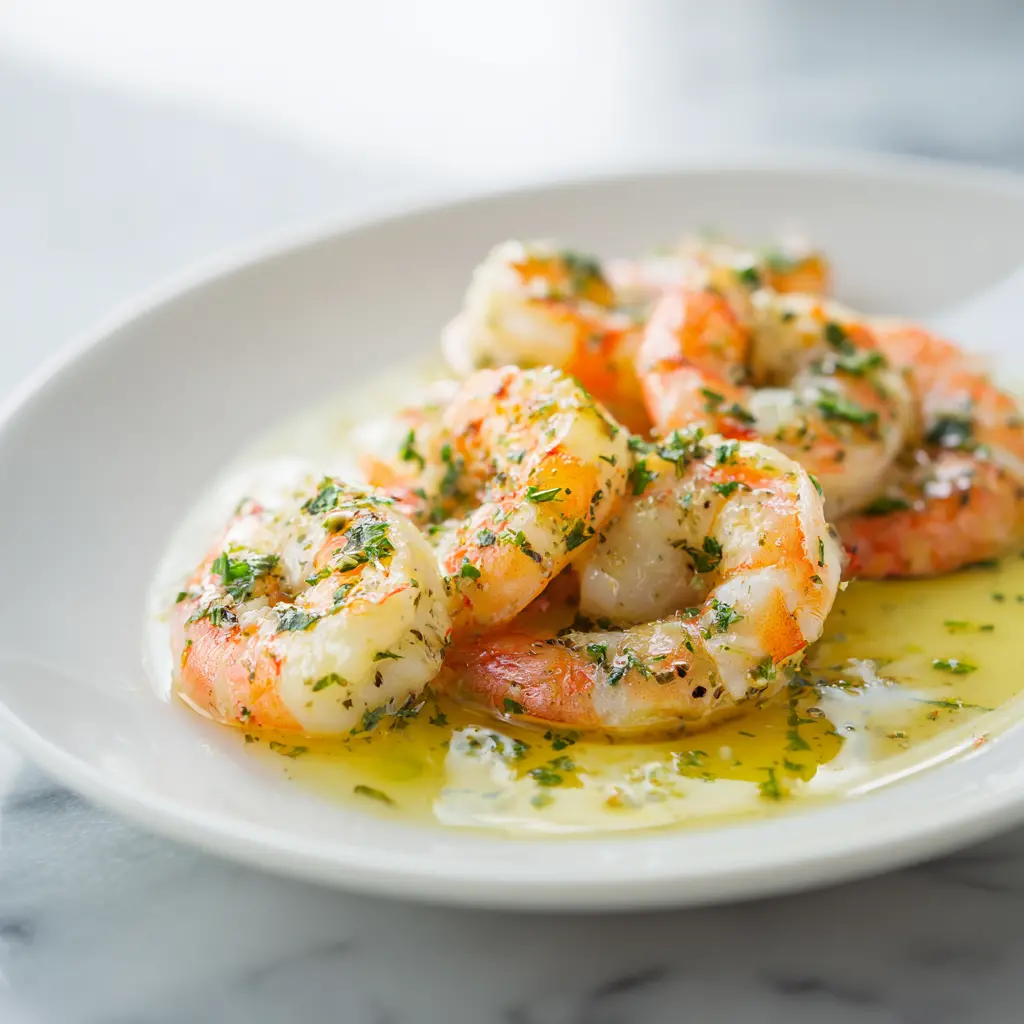
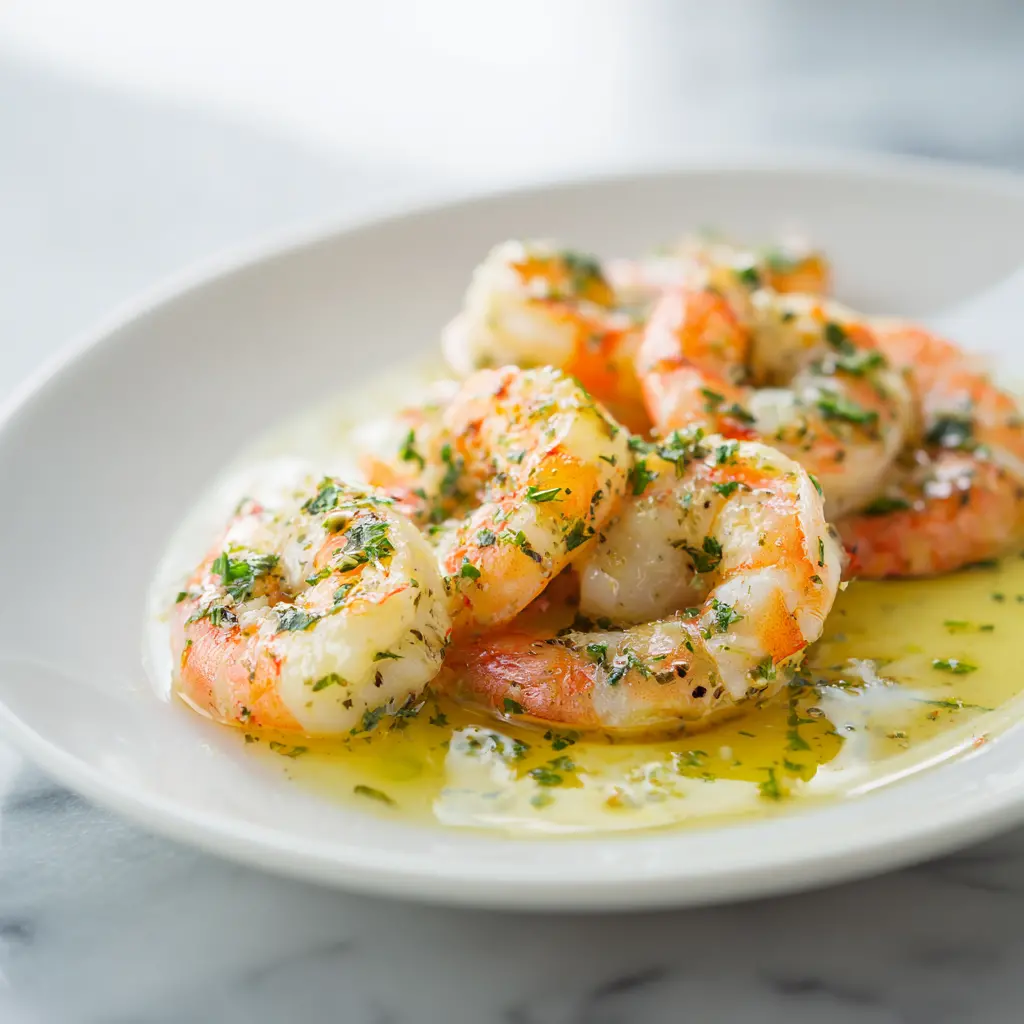
California Shrimp Scampi with Meyer Lemon and Sourdough
Ingredients
Method
- Thaw shrimp in cool water if frozen. Peel and devein the shrimp, discarding shells. Rinse and drain well, then transfer to a bowl.
- Drizzle shrimp with 2 tablespoons olive oil, half the minced garlic, 1/2 teaspoon kosher salt, and red pepper flakes. Toss to coat and let sit for 20 minutes at room temperature.
- In a large skillet, warm 2 tablespoons olive oil over medium heat. Add the shrimp and garlic mixture, spreading evenly. Cook for 1 to 1 1/2 minutes until shrimp begin to turn opaque, then flip. Cook for 1 more minute until golden but not browned. Transfer shrimp to a plate. If garlic bits are dark, remove them from skillet to avoid bitterness.
- Melt 3 tablespoons butter in the same skillet over medium heat. Add remaining garlic and cook for 30 seconds until fragrant. Stir in white wine and Meyer lemon juice. Cook for 5 minutes, stirring occasionally, until sauce reduces by half and thickens slightly.
- Return shrimp and any accumulated juices to the skillet. Add remaining 1 tablespoon butter and 1/2 teaspoon kosher salt. Sprinkle with parsley, stir gently, and cook for 1 minute until heated through. Serve immediately with sourdough bread for dipping, or over pasta or rice.
Nutrition
Notes
Tried this recipe?
Let us know how it was!Why This California Shrimp Scampi Works
I know you want a quick dinner that doesn’t sacrifice flavor. I get it. You’re juggling work, maybe the kids, and somehow dinner needs to happen. Again.
That’s exactly why this shrimp scampi recipe exists. It comes together in 15 minutes flat. Fifteen. And it tastes like something you’d order at a restaurant in Napa Valley.
The secret? It’s not complicated. You use good ingredients – California olive oil, Meyer lemons, wild-caught shrimp – and you let them shine. No fussing, no overthinking. Just butter sizzling with garlic and that perfect lemon tang.
I’ve made this shrimp scampi more times than I can count. It’s my go-to for busy weeknights when I want something that feels special but takes almost no effort. And honestly? It works every single time.
Let me show you how.
Key Ingredients for Shrimp Scampi
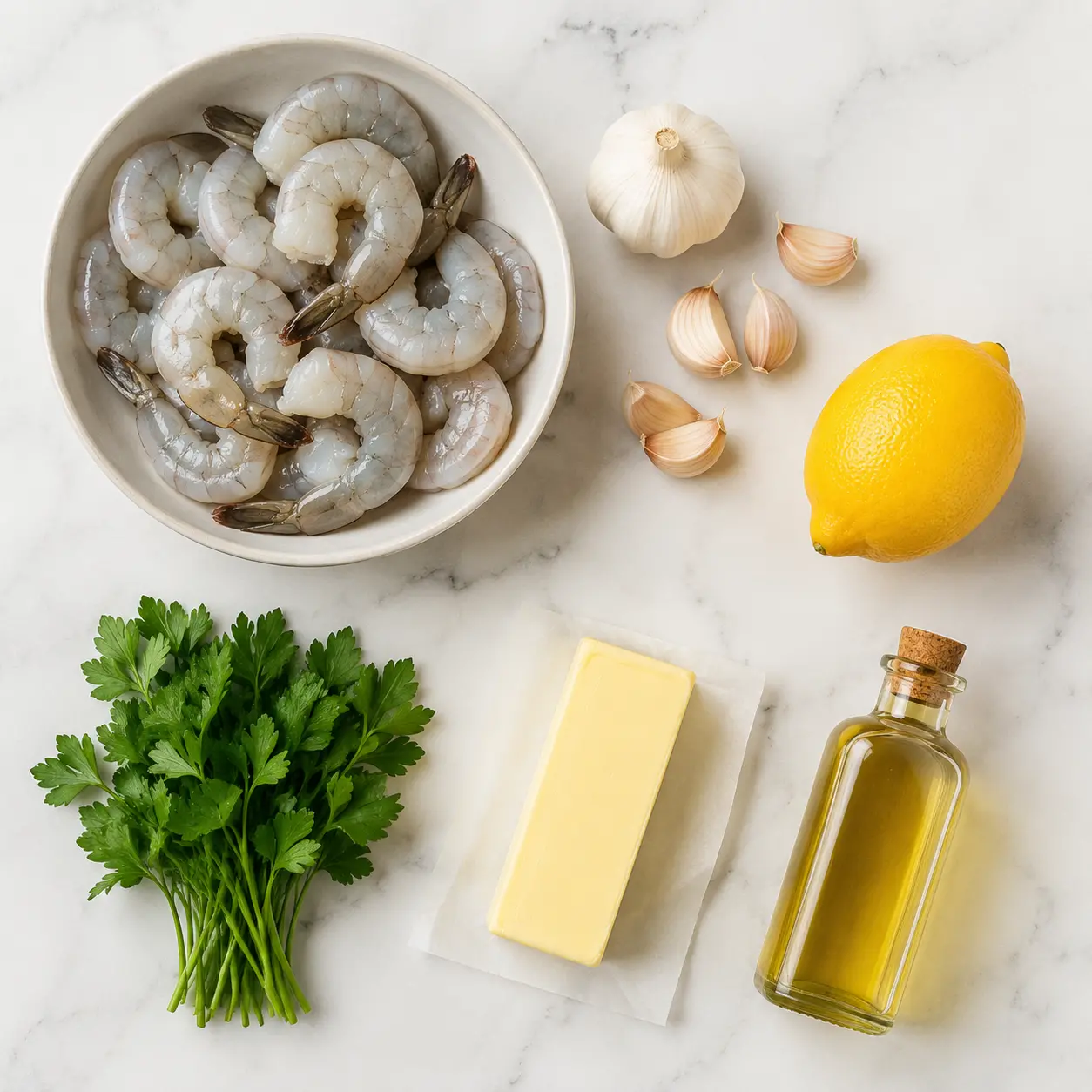
The beauty of this easy shrimp scampi is how few ingredients you need. But each one matters. Here’s what you’ll need and why:
- Large wild-caught shrimp – Go for the good stuff. Wild-caught has better flavor and texture. I use shell-on and peel them myself. More flavor that way.
- Extra virgin olive oil – California-grown if you can find it. You’ll use it in the marinade and for cooking. It’s the backbone of the sauce.
- Garlic – Fresh minced garlic. Lots of it. Don’t skimp here. You’ll use some in the marinade and more for the sauce.
- Unsalted butter – Three tablespoons for the sauce, plus one more to finish. This is what makes the sauce silky and rich.
- Meyer lemon – Sweeter and less acidic than regular lemons. If you can’t find Meyer lemons, regular lemons work fine. Just adjust the amount.
- Red pepper flakes – Just a half teaspoon. Gives it a gentle warmth without making it spicy.
- Fresh parsley – Flat-leaf parsley, minced. Adds freshness and color at the end.
- Kosher salt – For seasoning. Simple enough.
That’s it. Thirteen ingredients total, and most are pantry staples. The only thing you might need to pick up is the shrimp and maybe a Meyer lemon if you’re feeling fancy.
Oh, and you’ll want some crusty sourdough bread for dipping. Or pasta. Or rice. We’ll get to that.
Step-by-Step Instructions
Let’s walk through this. I’ll break it into four stages so you can see how it all comes together. The whole thing takes about 15 minutes from start to finish.
Stage 1: Prep and Marinate the Shrimp
First things first. If your shrimp are frozen, thaw them in cool water. Peel and devein them, discarding the shells. Rinse well and drain. Transfer to a bowl.
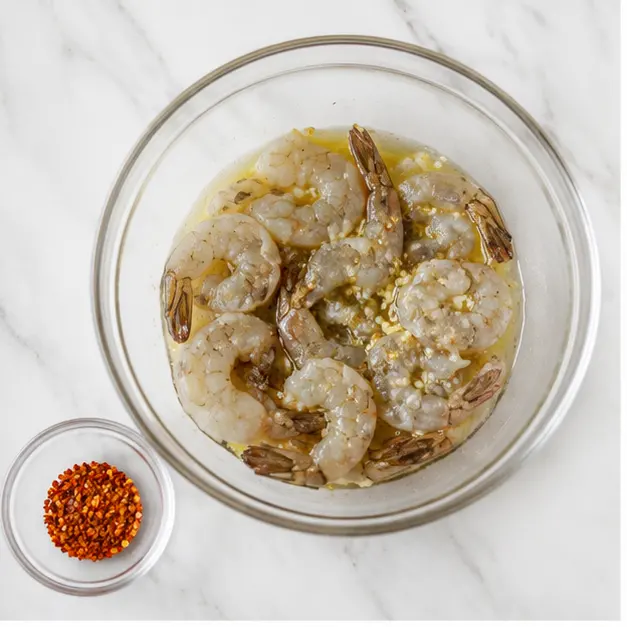
Now the marinade. Drizzle the shrimp with 2 tablespoons of olive oil. Add half your minced garlic, half a teaspoon of kosher salt, and the red pepper flakes. Toss everything together so the shrimp are evenly coated. Let it sit at room temperature for 20 minutes.
Why this works: The marinade seasons the shrimp from the inside out. The olive oil helps carry the flavors, and the garlic infuses every bite. The 20-minute rest isn’t arbitrary – it gives the flavors time to meld without cooking the shrimp.
You’ll know it’s ready when the shrimp look glossy and you can smell the garlic.
Stage 2: Cook the Shrimp
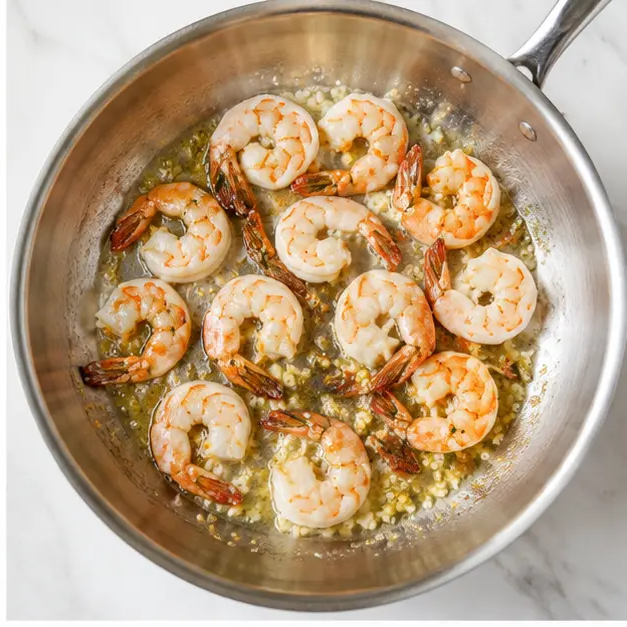
Heat a large skillet over medium heat. Add 2 tablespoons of olive oil. Once it’s warm, add the shrimp and all that garlic mixture from the bowl. Spread them evenly in the pan.
Cook for 1 to 1 1/2 minutes. You’ll see the shrimp start turning opaque on the bottom. Flip them. Cook for another minute. They should be golden but not browned. The key is to not overcook them – that’s what makes shrimp tough and rubbery.
Transfer the shrimp to a plate. If any garlic bits are stuck to the pan and looking dark, remove them. Burnt garlic is bitter and will ruin your sauce.
Why this works: Cooking the shrimp separately means you control the heat perfectly. No overcrowding, no steaming. Just a beautiful sear that locks in flavor.
You’ll know they’re done when they’re pink and opaque all the way through, with a slight golden edge.
Stage 3: Make the Sauce
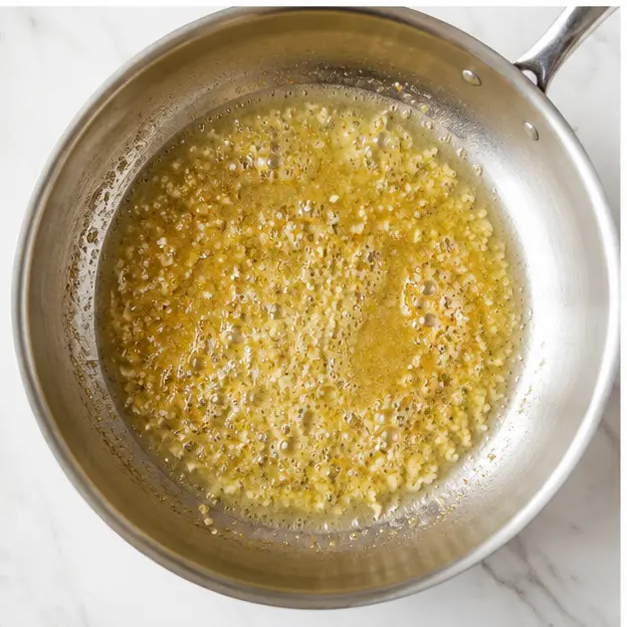
Now the good part. In the same skillet, melt 3 tablespoons of butter over medium heat. Add the remaining garlic and cook for 30 seconds. Just until it’s fragrant. Don’t let it brown.
Pour in the white wine and Meyer lemon juice. Let it cook for about 5 minutes, stirring occasionally. The sauce will reduce by half and thicken slightly. You’re looking for a consistency that coats the back of a spoon.
Why this works: The wine deglazes the pan, picking up all those flavorful browned bits from the shrimp. The reduction concentrates the flavors. The butter emulsifies into the sauce, making it silky and luxurious.
You’ll know it’s ready when the sauce has reduced and looks slightly glossy.
Stage 4: Finish and Serve
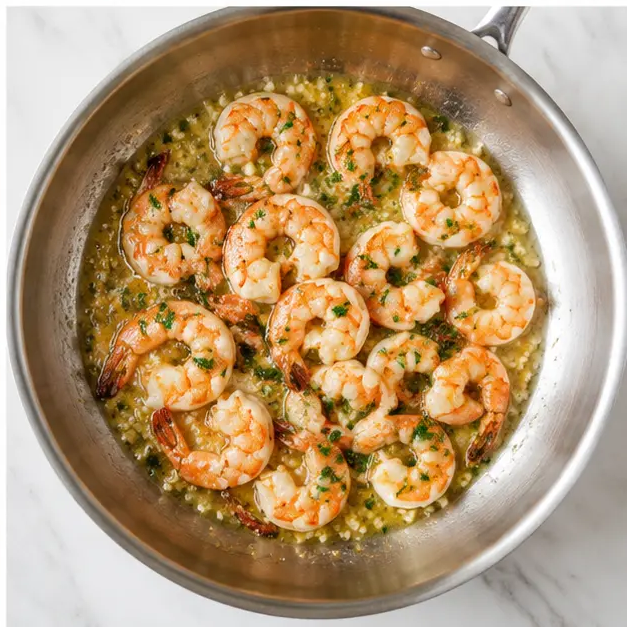
Return the shrimp and any accumulated juices to the skillet. Add the final tablespoon of butter and half a teaspoon of kosher salt. Sprinkle with the minced parsley. Stir gently and cook for 1 minute, just until everything is heated through.
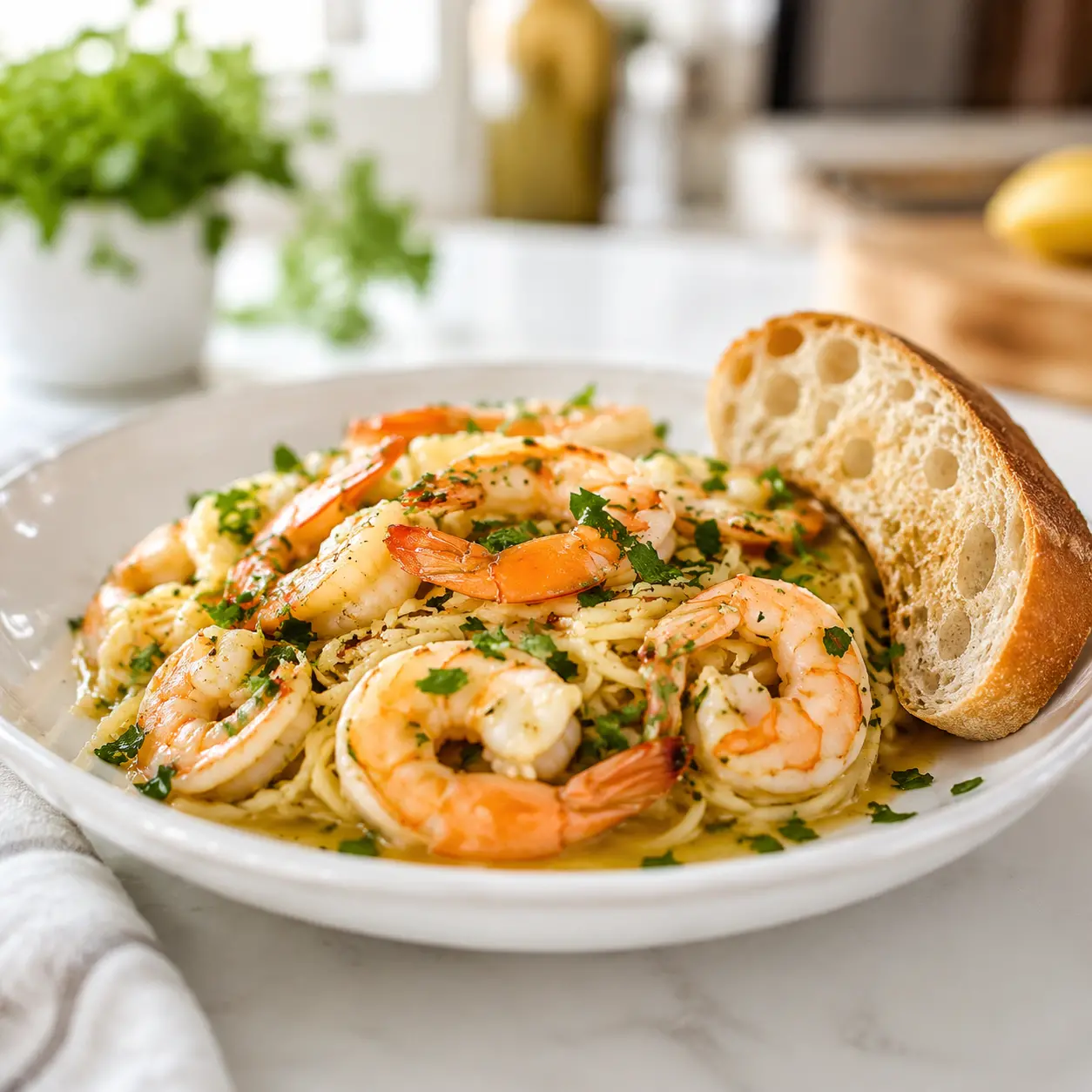
Serve immediately. I like to put the whole skillet on the table with a basket of crusty sourdough bread for dipping. But you can also serve it over pasta, rice, or zucchini noodles if you’re keeping it low-carb.
Why this works: The finishing butter adds richness and shine. The parsley brings freshness. The quick reheat means the shrimp stay tender and juicy.
You’ll know it’s ready when the butter is melted and the sauce is bubbling gently.
Tips for Perfect Shrimp Scampi
I’ve made this shrimp scampi recipe dozens of times. Here are the things I’ve learned along the way:
- Don’t overcrowd the pan. If you’re doubling the recipe, cook the shrimp in batches. Crowding lowers the pan temperature and steams the shrimp instead of searing them.
- Watch your garlic. Burnt garlic is bitter. If it starts getting too dark, remove it from the pan before it ruins your sauce.
- Use a butter and oil combination. The olive oil prevents the butter from burning while still giving you that rich buttery flavor.
- Don’t skip the marinade. Even 20 minutes makes a huge difference in flavor.
- Use wild-caught shrimp. The flavor is noticeably better. Trust me on this one.
- Let the sauce reduce. Don’t rush it. The reduction concentrates all those flavors into something magical.
One more thing – if you’re serving this with pasta, reserve some pasta water before draining. It’s not in the recipe, but if you want to toss the pasta with the sauce, a splash of pasta water helps everything cling together beautifully.
Serving Suggestions
This shrimp scampi is versatile. Here’s how I like to serve it:
- With crusty sourdough bread – This is my favorite. The bread soaks up all that garlic butter sauce. San Francisco sourdough is perfect if you can find it.
- Over pasta – Angel hair, linguine, or spaghetti work great. Toss the cooked pasta with the sauce before adding the shrimp.
- Over rice – Simple and satisfying. The rice catches all the sauce.
- As an appetizer – Serve the shrimp in small bowls with toothpicks and plenty of bread for dipping.
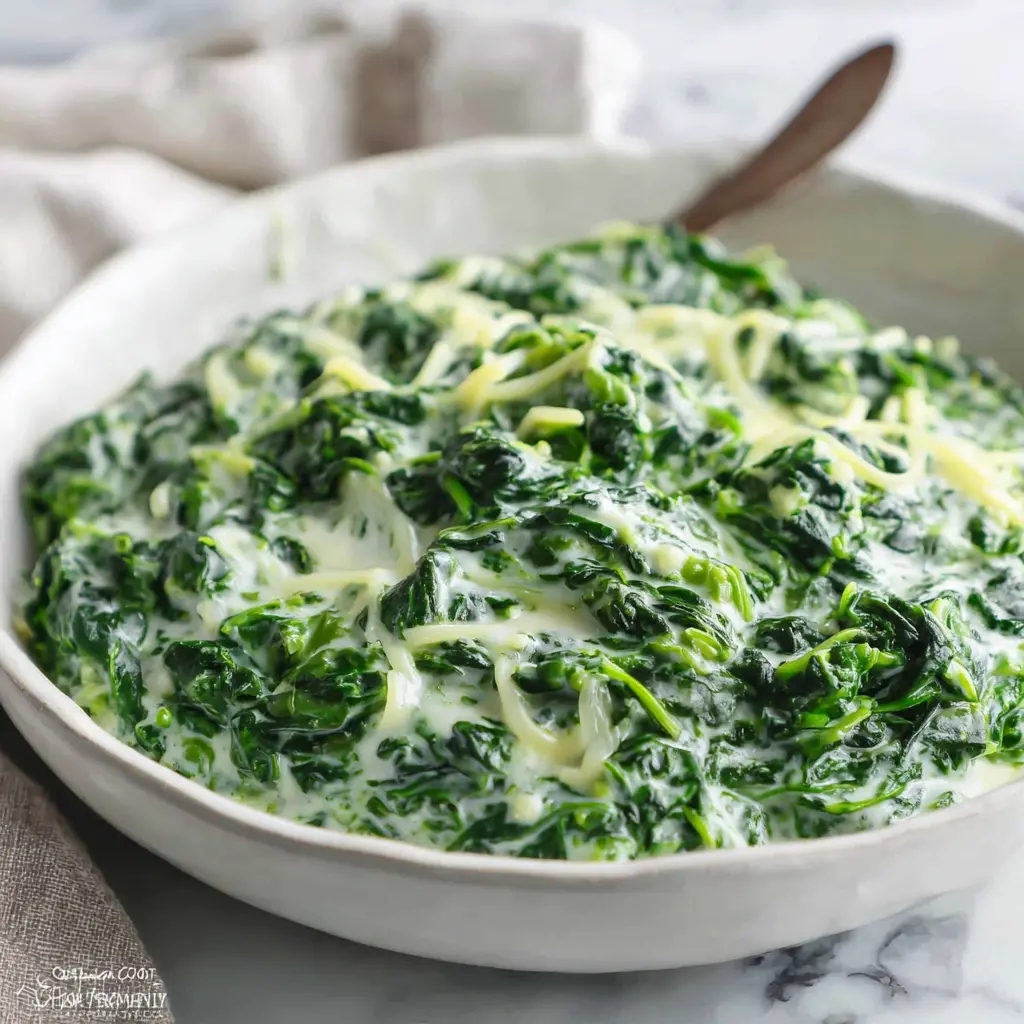
For sides, a simple green salad with lemon vinaigrette is perfect. Or roasted asparagus. Or even just some steamed broccoli. Keep it light so the shrimp scampi stays the star.
Variations to Try
This best shrimp scampi recipe is pretty perfect as is, but here are some ways to switch it up:
- No wine? Use chicken stock instead. Add an extra squeeze of lemon at the end for brightness. It’s not quite the same, but it’s still delicious.
- Make it spicy – Add more red pepper flakes. I sometimes double them when I want a kick.
- Add vegetables – Cherry tomatoes, spinach, or zucchini can be added to the sauce. Just toss them in during the last minute of cooking.
- Go gluten-free – Serve over gluten-free pasta, rice, or zucchini noodles. The sauce itself is naturally gluten-free.
- Make it creamy – Stir in a splash of heavy cream at the end for a richer sauce. It’s not traditional, but it’s good.
Just remember – these are optional additions. The base recipe is already fantastic on its own.
How to Store and Reheat Leftovers
Shrimp scampi is best eaten fresh. But if you have leftovers, here’s what to do:
Storing: Transfer to an airtight container and refrigerate for up to 2 days. Don’t freeze it – the shrimp will get mushy when thawed.
Reheating: The microwave works in a pinch. Heat in 30-second intervals, stirring between each, until just warm. Don’t overdo it or the shrimp will get rubbery.
Better yet, reheat on the stove. Add a pat of butter or a splash of broth to a skillet over low heat. Add the shrimp and sauce, stirring gently until warmed through. This takes about 2-3 minutes and keeps the texture much better.
Pro tip: Leftover shrimp scampi is amazing cold on a salad. Just sayin’.
Frequently Asked Questions
There you have it. A restaurant-quality shrimp scampi recipe that takes 15 minutes and uses ingredients you can find at any grocery store. No fuss, no stress, just really good food.
Now go make some scampi! And if you try it, I’d love to hear how it turned out. You can find more inspiration and share your creations over on my Pinterest page.
Source: Health & Nutrition Research
What pasta shape goes with shrimp scampi?
Long, thin pasta shapes like angel hair, linguine, or spaghetti work best. They catch the garlic butter sauce beautifully. I personally love angel hair with this shrimp scampi recipe.
What size shrimp is best for scampi?
Large shrimp, about 16-20 per pound, are ideal. They’re big enough to be satisfying but cook quickly. Jumbo shrimp work too, just adjust the cooking time slightly.
Should you leave the shrimp tail on for shrimp scampi?
It’s up to you. Leaving the tails on looks pretty and adds flavor. Taking them off makes eating easier. I usually remove them for a weeknight dinner and leave them on for company.
Can you make shrimp scampi with frozen shrimp?
Absolutely. Most shrimp are flash-frozen at sea, so frozen is often fresher than thawed. Just thaw them completely in cool water before cooking. Pat them dry so they sear properly.
How long does leftover shrimp scampi last in the fridge?
Up to 2 days in an airtight container. After that, the shrimp starts to lose its texture. I don’t recommend freezing it, as the shrimp will become mushy when thawed.
What’s the best way to reheat shrimp scampi?
Stovetop is best. Add a pat of butter or splash of broth to a skillet over low heat, then warm the shrimp gently for 2-3 minutes. The microwave works but heat in short bursts to avoid rubbery shrimp.
How do you make shrimp scampi spicy?
Increase the red pepper flakes in the marinade. I sometimes double them for extra heat. You can also add a pinch of cayenne pepper to the sauce. Start small and taste as you go.
What herbs go in shrimp scampi?
Fresh flat-leaf parsley is traditional and perfect. It adds brightness and color. Some people like a little fresh basil or chives, but parsley is all you really need for this shrimp scampi recipe.

4 Responses
Quick question—could I substitute the chicken broth with vegetable broth for a pescatarian version? Also, would frozen shrimp work if I thaw them first? I’d love to try this but want to make sure I get the texture right.
Hi James! Yes, vegetable broth works perfectly here—just use a good quality one for the best flavor. And absolutely, frozen shrimp that are fully thawed and patted dry will work great. Just make sure to remove excess moisture so they sear nicely. Enjoy!
This was good but I felt the sauce was a bit too thin for my liking. Next time I might try reducing the broth a little or adding a tiny bit of cornstarch slurry to thicken it up. Still, the flavor was spot on and it was incredibly fast to make.
Made this last night and it was absolutely divine! I served it over angel hair pasta and my husband couldn’t stop raving about it. The lemon and garlic combo is perfect. I did add a bit more red pepper flakes because we like heat, and it was just right.