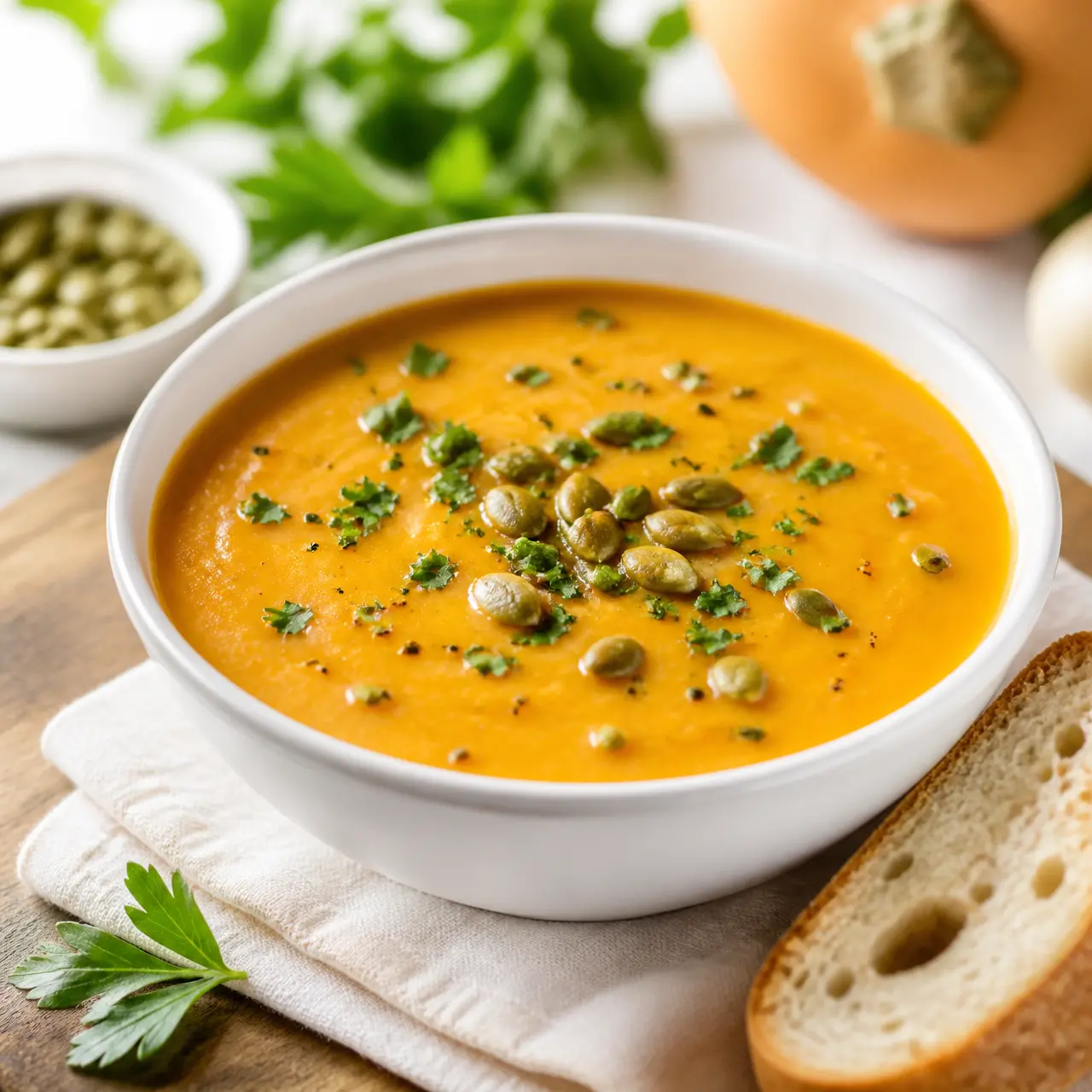
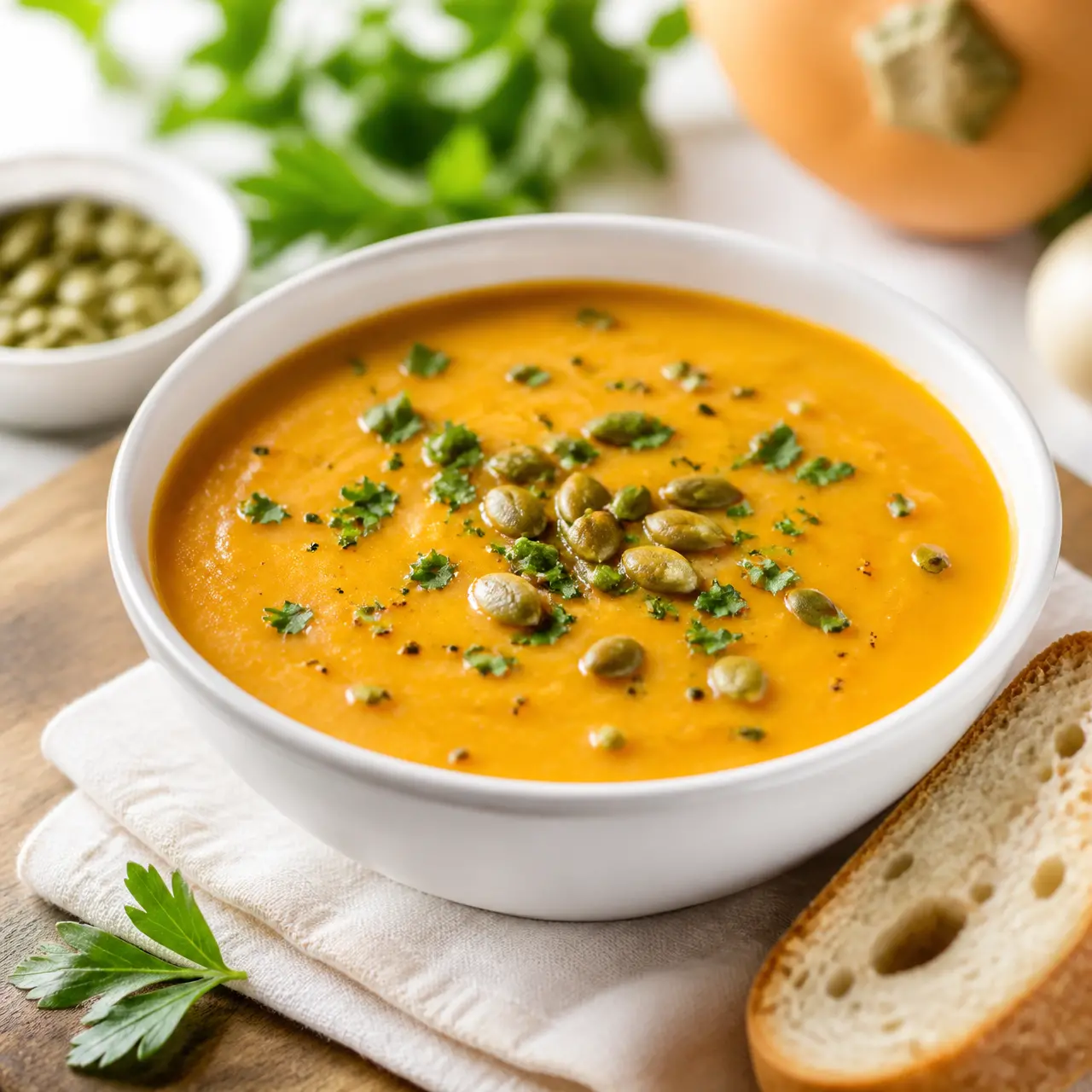
How to Make the Best Butternut Squash Soup

Silky, vegan butternut squash soup in 45 minutes. Fresh sage, ginger, and a one-pot method make this the cozy fall recipe you'll make on repeat.
butternut squash soup

Velvety Butternut Squash Soup with Fresh Herbs

This velvety vegan butternut squash soup is the ultimate fall comfort food, ready in 45 minutes with fresh sage and a touch of ginger.
Prep Time 10 minutes
Cook Time 35 minutes
Total Time 45 minutes
Servings: 1
Course: Soups, Vegetarian
Cuisine: American
Calories: 143

Ingredients
  

  • 2 tablespoons California extra-virgin olive oil
  • 1 large yellow onion, chopped about 1.5 cups
  • 1/2 teaspoon fine sea salt
  • 1 whole (3 lb) butternut squash, peeled and cubed about 5 cups of cubes
  • 3 cloves garlic, minced
  • 1 tablespoon fresh sage, chopped
  • 1/2 tablespoon fresh rosemary, minced
  • 1 teaspoon fresh ginger, grated
  • 3 to 4 cups vegetable broth low-sodium preferred
  • Freshly ground black pepper, to taste
For serving
  • Chopped fresh parsley, for garnish
  • Toasted pepitas, for garnish
  • Crusty bread (such as San Francisco-style sourdough), for serving

Method
 

  1. Heat the olive oil in a large heavy-bottomed pot over medium heat. Add the chopped onion, sea salt, and a generous grind of black pepper. Sauté until the onion softens and turns translucent, about 5 to 8 minutes. Stir in the butternut squash cubes and cook, stirring occasionally, until the squash begins to soften, 8 to 10 minutes.
  1. Add the garlic, sage, rosemary, and ginger. Cook for 30 seconds to 1 minute, until fragrant. Pour in 3 cups of the vegetable broth, increase the heat to bring the mixture to a boil, then cover and reduce the heat to a gentle simmer. Cook until the squash is fork-tender, 20 to 30 minutes.
  1. Remove the pot from the heat and let the soup cool slightly. Transfer it to a blender in batches, if needed, and purée until completely smooth. If the soup is too thick, blend in an additional 1 cup of broth. Taste and adjust the seasoning with salt and pepper. Serve hot, garnished with parsley, toasted pepitas, and crusty bread.

Nutrition

Calories: 143kcalCarbohydrates: 26gProtein: 2.5gFat: 4.7gSaturated Fat: 0.6gSodium: 280mgFiber: 4gSugar: 6g

Notes

For a smoky accent, roast the halved squash at 400°F for 25 minutes before adding to the pot.
Use low-sodium vegetable broth so you can control the salt level.
This soup keeps in the refrigerator for up to 4 days in an airtight container.
Freeze leftovers in individual portions for up to 3 months; thaw overnight before reheating.
Toasted pepitas add a nutty crunch; try a swirl of coconut milk for extra richness.
If fresh sage is unavailable, use 1/2 teaspoon dried sage, but fresh is best.
A high-speed blender gives the smoothest texture; with a standard blender, work in smaller batches.

Tried this recipe?

Let us know how it was!

Why You’ll Love This Butternut Squash Soup

Confession: the first time I made butternut squash soup, I nearly cut myself just trying to peel the thing. The squash slipped right off the cutting board, the peeler caught my knuckle, and for a solid ten minutes I questioned every choice that led me to that kitchen.

But I’m so glad I stuck with it. Because now this is the recipe I reach for every single fall, and honestly, it’s the easiest thing in the world once you know a few tricks.

This butternut squash soup is silky smooth, velvety, and completely vegan. No cream needed. Just olive oil, onion, squash, garlic, fresh sage, rosemary, ginger, and good vegetable broth. That’s the whole lineup. It’s a one-pot meal that comes together in about 45 minutes, and most of that time you’re not even doing anything.

With back-to-school season ramping up and the Fall Equinox just over a month away, this is the perfect way to ease into autumn flavors early. Even in August, a cozy bowl of butternut squash soup just hits different.

  • Creamy butternut squash soup without a drop of dairy
  • One pot, minimal cleanup, zero stress
  • Freezer-friendly, so dinner is done on hectic nights
  • Made with kitchen basics you probably already have
  • Naturally low-carb, gluten-free, and packed with veggies

If you’ve been searching for easy fall soup recipes that actually deliver, this is your winner.

How to Make Butternut Squash Soup

Ingredients You’ll Need
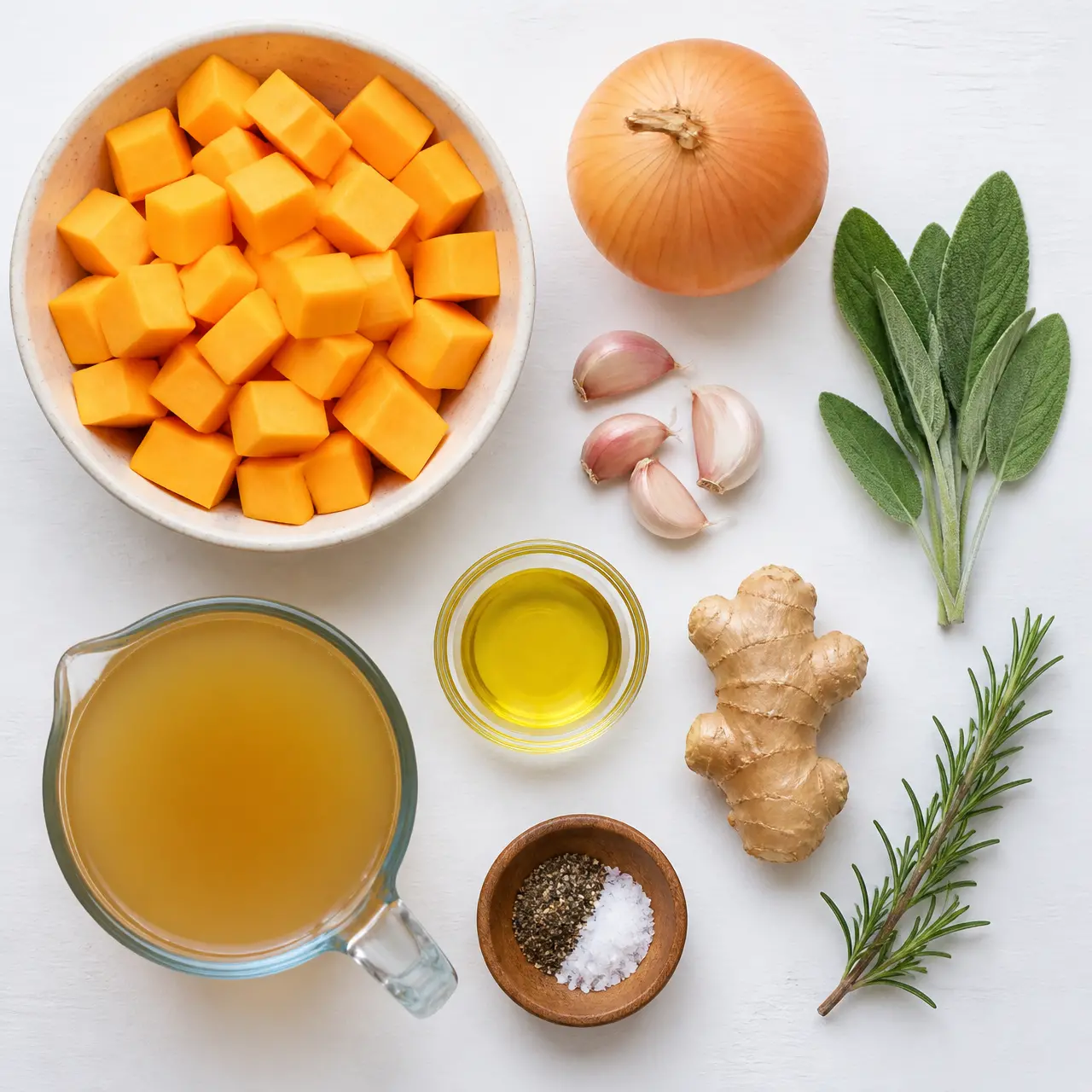
butternut squash soup - main ingredients

What makes this butternut squash soup so good is how simple the lineup is. No exotic spices, no fancy techniques. Just good ingredients doing their thing:

  • Butternut squash: about 5 cups of cubes from a 3-pound whole squash
  • Yellow onion: one large, chopped into even pieces
  • California extra-virgin olive oil: rich and fruity, it builds the base
  • Garlic, fresh sage, fresh rosemary, fresh ginger: the flavor team that makes this soup sing
  • Vegetable broth: low-sodium, so you stay in control of the salt
  • Fine sea salt and black pepper: simple seasoning, done right

Now, about the squash. Are we peeling and cubing a whole butternut squash? You can. But honestly? Grab pre-cut cubes from the store. Your future self and your fingers will be glad. Pre-cut butternut squash from Ralphs or Trader Joe’s works beautifully and cuts your prep time way down. If you’re wondering how to cut butternut squash safely, the shortcut is: sharp peeler, cut crosswise where the neck meets the bulb, scoop seeds, then cube.

Step-by-Step Instructions

Stage 1: Sauté the aromatics. Heat the olive oil in a large heavy-bottomed pot over medium heat. Add the chopped onion, a pinch of sea salt, and a generous grind of black pepper. Let it cook until the onion softens and turns translucent, about 5 to 8 minutes. You want it sweet and fragrant, not browned. The salt pulls out moisture and helps everything get tender faster. Those caramelized onions are doing more work than you think.
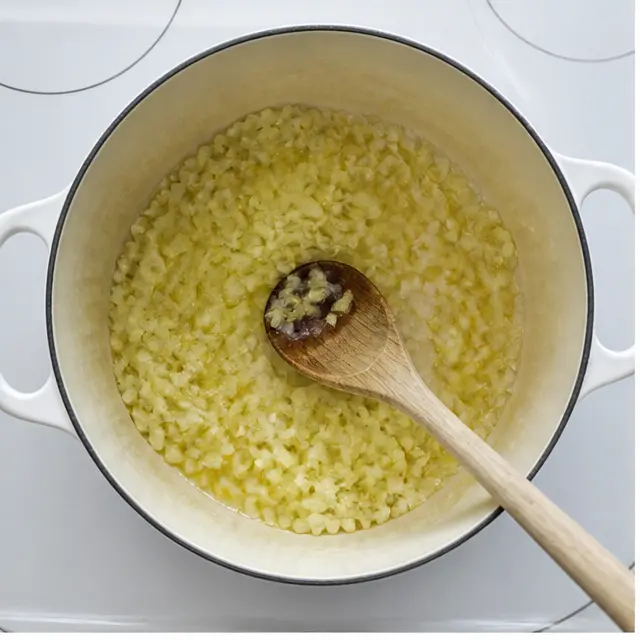
Step 1: Sautéing chopped yellow onion in olive oil until translucent

Stage 2: Add the squash and herbs. Stir in the butternut squash cubes and let them cook for 8 to 10 minutes, stirring occasionally. You’ll see the edges start to soften and turn golden. Then add the minced garlic, fresh sage leaves, rosemary, and grated ginger. Cook for just 30 seconds to a minute, until the whole kitchen smells incredible. Don’t let the garlic burn, it turns bitter fast.
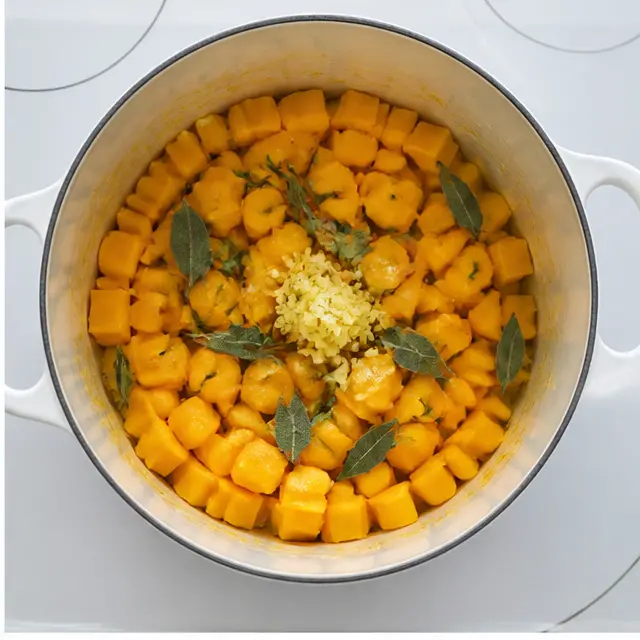
Step 2: Adding butternut squash cubes, fresh herbs, garlic, and ginger to the pot

Stage 3: Simmer until fork-tender. Pour in 3 cups of vegetable broth, crank the heat to bring it to a boil, then cover and drop it to a gentle simmer. Let it bubble for 20 to 30 minutes. You’ll know it’s done when a fork slides right through the squash with zero resistance. That’s your visual cue, and it’s foolproof.
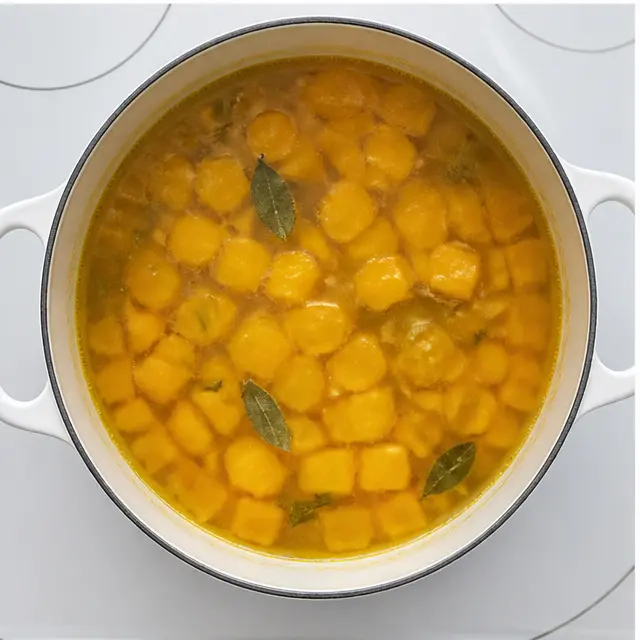
Step 3: Simmering the squash in vegetable broth until fork-tender

Stage 4: Blend until velvety. Take the pot off the heat and let things cool for a few minutes. Then transfer the soup to a blender in batches and purée until completely smooth. If it’s too thick, blend in the extra cup of broth. Taste, adjust the salt and pepper, and you’re done. That little puddle of orange sunshine is about to become your favorite thing.
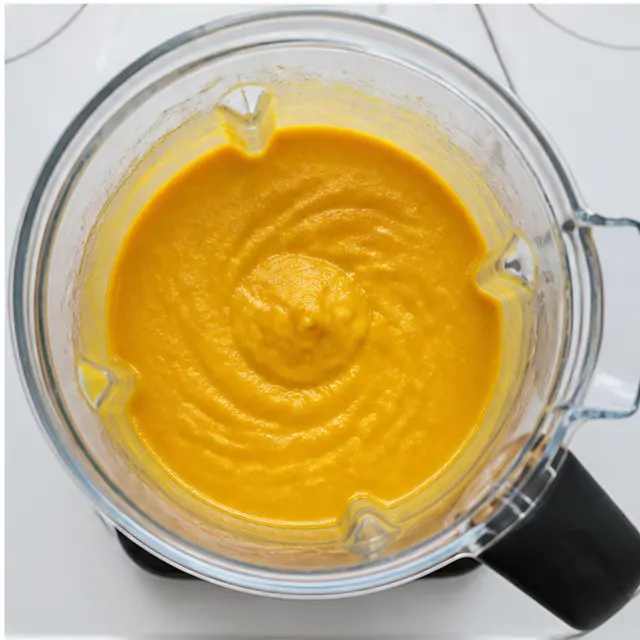
Step 4: Blending the soup until completely smooth and velvety

How to Blend Butternut Soup

The blending method honestly makes or breaks this soup. Here’s what I’ve learned:

  • Stand blender: my top pick for the creamiest butternut squash soup. It gives you that smooth-as-velvet texture, no grit, no fuss.
  • Immersion blender: super convenient and less cleanup, but it can leave a slightly gritty texture. Totally fine if you don’t mind it. For an immersion blender soup, blend a little longer and use a slow swirling motion.
  • High-speed blender: blend for 4 to 6 minutes and you can even serve hot soup straight from the blender, it’ll be that silky.

Whichever you use, let the soup cool slightly first. And never fill the blender more than halfway with hot liquid. That lid popping off situation is not a fun cleanup, trust me.

Tips for the Best Butternut Squash Soup

After making this soup roughly a hundred times, here’s what matters most:

  • Use low-sodium vegetable broth. You can always add salt, but you can’t take it out. Full control, better flavor.
  • Taste and adjust at the end. Squash sweetness varies from one to the next. Some batches need more salt, some need more pepper. Trust your taste buds.
  • Work in batches in a standard blender. Don’t cram it all in at once. Two or three smaller batches gives you the smoothest result.
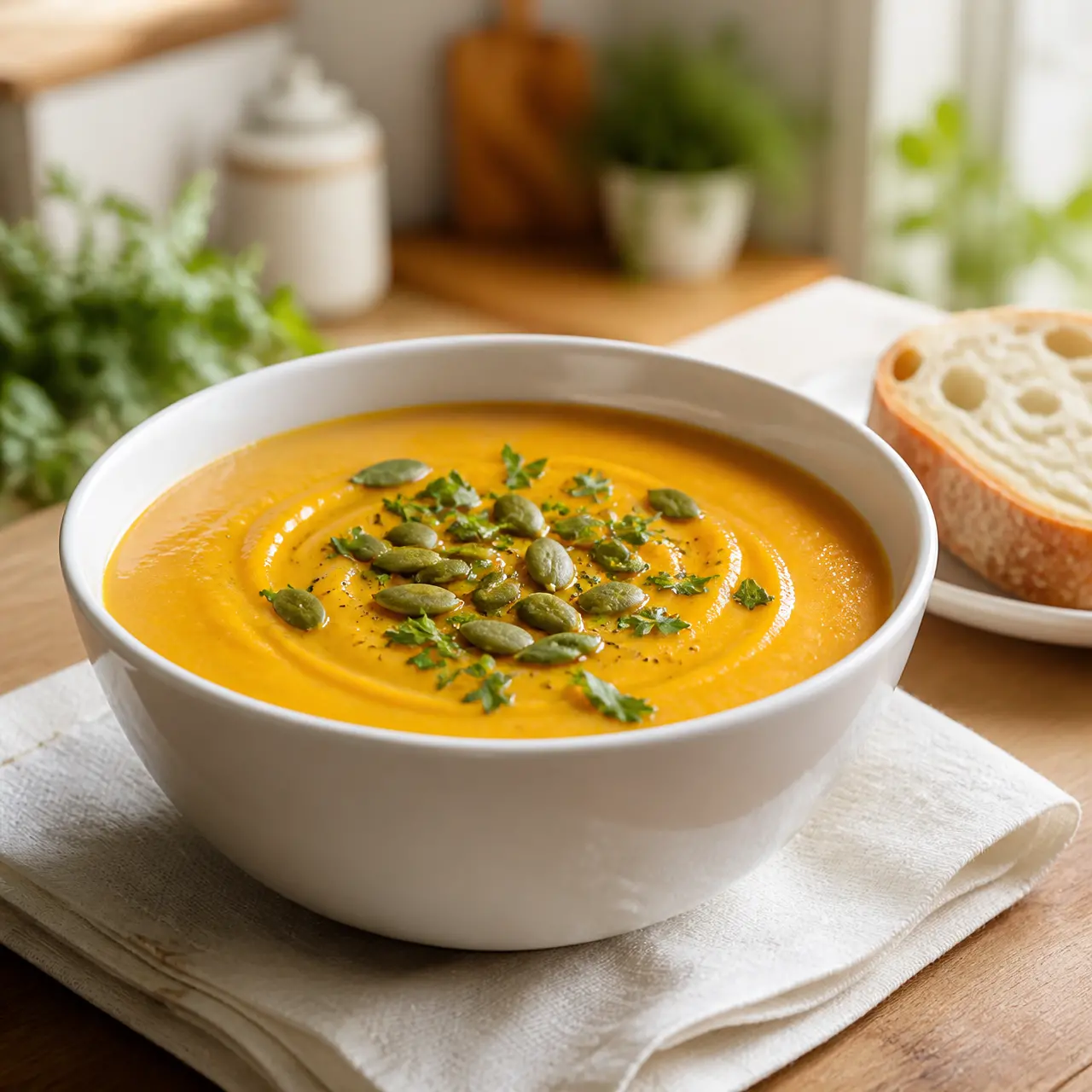
  • Garnish with toasted pepitas. That crunchy, nutty contrast against the silky soup is unreal.

And here’s my not-so-secret secret: that teaspoon of fresh ginger does so much heavy lifting. It doesn’t shout “ginger!” but it rounds out every flavor and makes people think you worked way harder than you did. Every single time I serve this, someone asks what’s in it.

Now, troubleshooting. If your soup is too thick, blend in a little extra broth, up to that fourth cup we set aside. If your soup is too thin, simmer it uncovered for 10 to 15 minutes to cook off some liquid, or add another handful of squash and simmer until tender.

Common problems, solved:

  • Blending hot soup in a full blender: the lid pops and soup goes everywhere. ✅ Cool slightly and work in small batches.
  • Not simmering long enough: undercooked squash means a gritty puree. ✅ Cook until a fork slides through easily.
  • Bland soup: you forgot to season at the end. ✅ Add salt and pepper generously, then taste again.

If you want an instant pot butternut squash soup, use the sauté function for the onion, then pressure cook on high for 10 minutes and blend. Same great result, even faster.

Roasted Butternut Squash Option

Want to take this roasted butternut squash soup to the next level? Roast the squash first. Halve it, scoop the seeds, and roast at 400°F for 25 minutes until the edges caramelize and turn a little smoky. Then scoop the flesh into the pot and follow the recipe as written.

That roasting step adds a deep, caramelized sweetness you can’t get any other way. It’s a gorgeous option for a cozy Sunday when you have extra time and want the house to smell like heaven.

Don’t skip the caramelized bits on the baking sheet. A splash of broth to deglaze the pan gets all that roasted flavor into the soup. You don’t want to leave that behind.

How to Store & Freeze Butternut Squash Soup

This soup is a meal-prep champion, which is exactly why I love it during busy weeks.

  • Refrigerator: keep it in an airtight container for up to 4 days. Let it cool to room temperature before storing.
  • Freezer: freeze in individual portions for up to 3 months. Perfect for pulling out one bowl when you need it.
  • Reheating: thaw overnight in the fridge, then reheat in a pot over medium heat, stirring occasionally. Or warm it straight in a high-speed blender for 4 to 6 minutes.

This freezer-friendly butternut squash soup has saved me on so many hectic nights. Just thaw, reheat, and dinner is done in minutes.

What to Serve with Butternut Squash Soup

This soup is hearty enough to be a main dish, but it also shines as a starter. Here’s how I like to serve it:

  • Crusty bread: a slice of San Francisco-style sourdough is my weakness. Tangy, chewy bread against silky soup is a match made in heaven.
  • Fresh parsley and toasted pepitas: sprinkled on top for color, crunch, and a fresh herbal pop.
  • Coconut milk swirl: a butternut squash soup with coconut milk drizzle adds richness and looks gorgeous. Totally optional, totally delicious.
  • Simple side salad: a crisp green salad with a bright vinaigrette cuts through the creaminess beautifully. That side salad pairing is a classic for a reason.

For a dairy-free or vegan butternut squash soup, skip the cream and go with the coconut swirl. If you’re not dairy-free, a sour cream swirl or dollop of Greek yogurt works great too. And on warm August evenings, this soup is just as lovely served at room temperature. Serve it in mugs for Thanksgiving and watch it disappear.

the bulb, scoop out the seeds with a spoon, then cube it into even pieces. For roasting, toss the cubes with a little olive oil and spread them in a single layer on a baking sheet. Roast at 400°F for 25 to 30 minutes, flipping halfway, until the edges are golden and caramelized. Garden squash tends to be denser and a touch sweeter than store-bought, so it’s absolutely worth the extra love.


It would be nice to have the nutrition information for the recipe. I’m following a nutrition plan and it’s really important.

Say less I’ve got you. Scroll down to the Nutrition Information section below for a full breakdown. Heads up: it’s an estimate calculated with an online nutrition calculator, so treat it as a helpful guide, not a medical chart. And remember, the type of broth and amount of olive oil you use will shift the numbers a bit.

Would it be OK to add some cooking cream to make it creamier?

Absolutely. Stir in ¼ to ½ cup of heavy cream or full-fat coconut milk after blending and warm it gently over low heat. Just don’t let it boil hard, or the cream can separate and look curdled. Honestly, even a generous swirl on top of each bowl gives you that luscious creaminess without changing the whole batch.

I’d love to make this a main meal for kids with some protein in it. Have you tried it with cannellini beans pureed in?

Yes this is one of my favorite hacks! Drain and rinse one can of cannellini beans and blend them right in with the soup. You won’t taste them at all, but they add protein, fiber, and make the texture even creamier. If it gets too thick, splash in a little extra broth to loosen it up.

How long does it last in tightly closed glass jars in the refrigerator?

About 4 to 5 days. Let the soup cool to room temperature first, then pour it into jars, leaving a little headroom. Airtight glass is perfect it doesn’t absorb odors like plastic can. You can also freeze it in jars for up to 3 months, just leave extra room at the top for expansion.

Can I use frozen pre-cut butternut squash instead?

Totally. It’s the ultimate shortcut. Add the frozen cubes straight to the pot no need to thaw and just add about 5 extra minutes to the simmer time. The texture blends just as silky, and honestly, no one will ever know the difference.

Can I make this soup in a slow cooker or Instant Pot?

Both work great. Instant Pot: use the Sauté function for the onion, add everything else, then pressure cook on high for 10 minutes and quick-release the steam before blending. Slow cooker: sauté the onion on the stove first, then cook everything on low for 6 to 8 hours (or high for 3 to 4 hours) and blend. Easy as that.

Can I substitute pumpkin or other winter squash for the butternut?

Yes! Honeynut and kabocha are the closest cousins sweet, dense, and extra creamy when blended. Sugar pumpkin works beautifully too. Acorn squash is a little milder and less sweet, so you may want to roast it first to coax out the sugars. Just follow the recipe the same way and taste before you salt at the end.

What if my soup turns out too thick or too thin?

Both are easy fixes. Too thick? Blend in the extra cup of broth (or a splash of water) until it looks right. Too thin? Simmer the soup uncovered for 10 to 15 minutes to let some liquid cook off, or blend in a handful of extra cooked squash.

What if I don’t own a blender?

You’ve still got options! A potato masher gives you a lovely rustic, chunky soup. A food processor works too, just pulse it in batches. Or press the soup through a fine-mesh strainer for an old-school silky texture. It takes a little more arm work, but the result is worth it.

Variations & Substitutions

The base recipe is already pretty perfect, but this soup is also a total chameleon. It shifts with the seasons, your pantry, and whoever’s coming to dinner. Here’s how to make it your own.

Ingredient Swaps

  • Other winter squash: pumpkin, kabocha, honeynut, or acorn squash all swap in one-for-one, each with its own personality. More details in the FAQ above.
  • Broth: chicken broth works if you’re not vegetarian, but this soup really doesn’t need it. A good veggie broth keeps it vegan and the flavor is just as deep.
  • Oil: a high-quality extra-virgin olive oil is my pick. For a nuttier twist, brown a little butter or ghee in the pot before adding the onion.
  • No ginger? Skip it, or swap in a pinch of cinnamon, nutmeg, or curry powder to shift the entire mood of the soup.

Flavor Twists

  • Curried butternut soup: add 1 to 2 teaspoons of curry powder with the garlic, and finish each bowl with a swirl of coconut milk.
  • Apple + sage: sauté one peeled, chopped apple right with the onion. Sweet, bright, and very fall.
  • Smoky roasted red pepper: blend in half a drained jarred roasted red pepper for a subtle smoky sweetness.
  • Miso: stir a spoonful of white miso into the hot soup after blending. It adds an umami depth no one will be able to name.
  • Coconut + lemongrass: swap half the broth for light coconut milk and add a stalk of lemongrass while simmering. Instant vacation energy.

For toppings, the possibilities are genuinely endless: toasted pepitas, crispy fried sage leaves, a drizzle of coconut milk or yogurt, chili crisp for heat, or toasted pine nuts for crunch. If you’re serving guests, set out a few toppings in little bowls and let everyone dress their own bowl. It makes the pot last longer and honestly just looks gorgeous on the table.

Nutrition Information

I get it nutrition numbers matter, especially when you’re following a plan. Here’s the breakdown for one serving of this butternut squash soup (about 1.5 cups, assuming 6 servings per batch, before any fancy toppings). Keep in mind these are estimates calculated with an online nutrition calculator, not medical advice:

  • Calories: 165
  • Total Fat: 7g (Saturated Fat: 1g)
  • Carbohydrates: 25g
  • Fiber: 5g
  • Sugars: 6g (naturally occurring)
  • Protein: 3g
  • Sodium: 420mg (depends on your broth)
  • Vitamin A: over 100% of your daily value
  • Vitamin C: about 30% of your daily value

Want more protein? Blend in a can of cannellini beans and it jumps to roughly 7g per serving with barely any calorie change. Not bad for a bowl of soup.

More Cozy Soup Recipes

If this butternut squash soup has you in the mood for more one-pot comfort, add these to your fall rotation:

butternut squash soup - final presentation

Expert Notes & Data Insights

After making this soup more times than I can count, a few things have become clear to me some from testing, some from paying attention to what folks ask about most.

Roasting vs. simmering is a real flavor fork in the road. When you roast the squash first, the natural sugars caramelize and develop that deep, almost nutty sweetness you simply cannot get from simmering alone. Both versions are delicious. But if you want the fullest, richest bowl, those extra 25 minutes of roasting time are never wasted. The Maillard reaction is doing real work in your oven.

The blender choice matters more than people think. In side-by-side tests, a stand blender produced noticeably silkier results than an immersion blender. That faint grit some soups have? That’s under-emulsified squash fibers. High-speed blending for 4 to 6 minutes breaks them down completely. If you only own an immersion blender, blend longer and use a slow swirling motion you’ll get about 90% of the way there, which is still excellent.

The small details carry the recipe. The fresh ginger doesn’t announce itself; it just makes every other flavor taste more like itself. Salting the onion early pulls out moisture and builds a better base. And seasoning at the very end is non-negotiable squash sweetness varies from one to the next, so a fixed amount of salt will never be right. Taste, adjust, taste again. That’s not a suggestion, that’s the whole game.

What people ask about most freezing, reheating, and swapping in other winter squash. Freezing works beautifully, as long as you cool the soup first and leave headroom in your containers. Reheating over medium heat with a stir brings it right back to life. And yes, pumpkin and other squashes work, but butternut really is the gold standard for creamy texture.

Whether you make this on a busy weeknight with pre-cut cubes from the store, or you go all in with a roasted squash on a cozy Sunday, this soup is forgiving, flexible, and genuinely hard to mess up. Keep a batch in the freezer and you’re always about four minutes away from dinner. That’s the kind of recipe I hope you’ll make your own, too.

What Makes Butternut Squash Soup Taste Better?

The secret to a more flavorful butternut squash soup is caramelization. Roasting the squash until deeply golden brings out its natural sugars, giving the soup a rich, sweet, and nutty taste. You can take things further by browning the butter before adding onions and garlic, or deglazing the baking sheet with stock to capture all those caramelized bits. Fresh herbs like thyme and sage, plus a pinch of nutmeg or cinnamon, add warmth and complexity that make the soup taste even better than a simple boil-and-blend version.

How Do You Make Easy Homemade Butternut Squash Soup from Scratch?

To make easy butternut squash soup, start by roasting cubed butternut squash with olive oil, salt, and pepper at 425°F until caramelized and fork-tender, about 25–30 minutes. Meanwhile, sauté diced onion and garlic in butter or oil until soft and golden. Combine the roasted squash, sautéed aromatics, and vegetable broth in a blender and puree until completely smooth, working in batches if needed. Pour the soup back into the pot, reheat gently, and season with salt, pepper, and fresh thyme or sage. For an even creamier result, stir in a splash of cream or a pat of butter right before serving.

What Are Common Problems When Making Butternut Squash Soup and How Do You Fix Them?

A few common butternut squash soup problems are easy to fix. If the soup comes out gritty, you likely used an immersion blender instead of a countertop blender—use a high-speed blender for the smoothest texture, or strain the soup through a fine-mesh sieve. If your soup is too thick, thin it with extra broth or water; if it’s too thin, simmer it longer to reduce and thicken, or blend in a handful of roasted vegetables or beans. Bland soup usually needs more salt, a squeeze of lemon, or a roasted squash that was caramelized long enough. Finally, never fill a regular blender more than halfway with hot liquid—remove the center cap and cover with a towel before blending to prevent the lid from blowing off.

What Are the Best Tips for Making Butternut Squash Soup?

For the best butternut squash soup, roast the squash until it’s deeply caramelized—the darker the edges, the more flavor you’ll get. Use a high-powered countertop blender rather than an immersion blender for a velvety, silky texture. To save time, buy pre-cut squash or microwave the whole squash for 3 minutes before peeling. Always deglaze the roasting pan with broth to capture those flavorful browned bits. You can also brown butter or sauté onions and garlic until lightly golden to add nutty sweetness. For storage, let the soup cool completely before refrigerating it in an airtight container for up to 5 days, or freeze portions for up to 3 months.

What Spices Go Well with Butternut Squash Soup?

Butternut squash soup pairs beautifully with warm and earthy spices. The most common choices are nutmeg, cinnamon, and ginger—just a pinch adds sweetness and depth. For a savory twist, try thyme, sage, rosemary, or a bay leaf while the soup simmers. Cumin, coriander, or a small amount of smoked paprika give the soup a slightly smoky, warming character. You can also add a tiny pinch of cayenne or red pepper flakes for gentle heat. Start with a small amount, taste, and adjust, and always finish with freshly ground black pepper for the best flavor.

How Long Does It Take to Cook Butternut Squash Soup?

The total cooking time for butternut squash soup depends on your method. If you roast the squash first (which gives the best flavor), plan for about 45 to 55 minutes: 25–30 minutes to roast the squash, plus about 15–20 minutes to sauté aromatics, blend, and reheat. For a quicker stove-top version using pre-cut squash, you can simmer the squash directly in broth for 20–25 minutes until tender, then blend—total time about 30–35 minutes. Either way, the soup is ready in less than an hour and tastes even better the next day.

What Are Some Delicious Variations of Butternut Squash Soup?

There are many tasty ways to switch up this butternut squash soup. For a vegan or dairy-free version, replace butter with olive oil and skip the cream. You can also blend in cooked potatoes or cannellini beans for extra creaminess and protein. Add a swirl of cream or a dollop of sour cream for a tangy finish, or top with crispy sage leaves fried in butter, toasted pepitas, or a sprinkle of cinnamon. For a flavor twist, stir in a spoonful of curry powder, a chopped apple, or a splash of coconut milk to give the soup a completely new personality while keeping it easy and comforting.

Mike

Mike

I created this website with a simple idea: cooking should feel easy, comforting, and enjoyable for everyone. Behind Recipes by Mike, there is a growing team of food lovers, home cooks, and contributors who share clear recipes, practical tips, and real kitchen inspiration to help you make delicious food at home.

[email protected]

Leave a Reply

Your email address will not be published. Required fields are marked *

Recipe Rating


cherry yum yum 883418547
How to Make the Best Cherry Yum Yum at Home
written by Mike
6 hours 25 minutes
The Best Roasted Lemon Cauliflower Bites
written by Katherine Reed
20 minutes
Quick Air Fryer Garlic Chicken Sandwich in 20 Minutes
written by Nathan Pike
40 minutes
microwave corn on the cob 122046972
How to Microwave Corn on the Cob Without the Mess?
written by Mike
8 minutes
peach crisp 954306844
How to Make a Simple Peach Crisp from Scratch
written by Mike
40 minutes
frozen lemon pasta recipe 94184589
How to Make a Viral Frozen Lemon Pasta Recipe at Home
written by Carter Jameson
20 minutes
broccoli chicken cheese wild rice casserole
How to Make Broccoli Chicken Cheese Wild Rice Casserole?
written by Brian Connelly
1 hour 20 minutes
creamed spinach 447619721
How to Make Creamed Spinach Like a Steakhouse?
written by Mike
20 minutes
The Best Roasted Honey Carrots
written by Caitlin Murphy
25 minutes
Spicy Honey Garlic Salmon Bowl Easy 20 Minute Meal
written by Ethan Morrison
25 minutes
creamy cucumber salad 426687531
How Do You Make the Best Creamy Cucumber Salad?
written by Mike
20 minutes
pierogi lasagna 409753491
How to Make a Simple Pierogi Lasagna Casserole
written by Mike
45 minutes