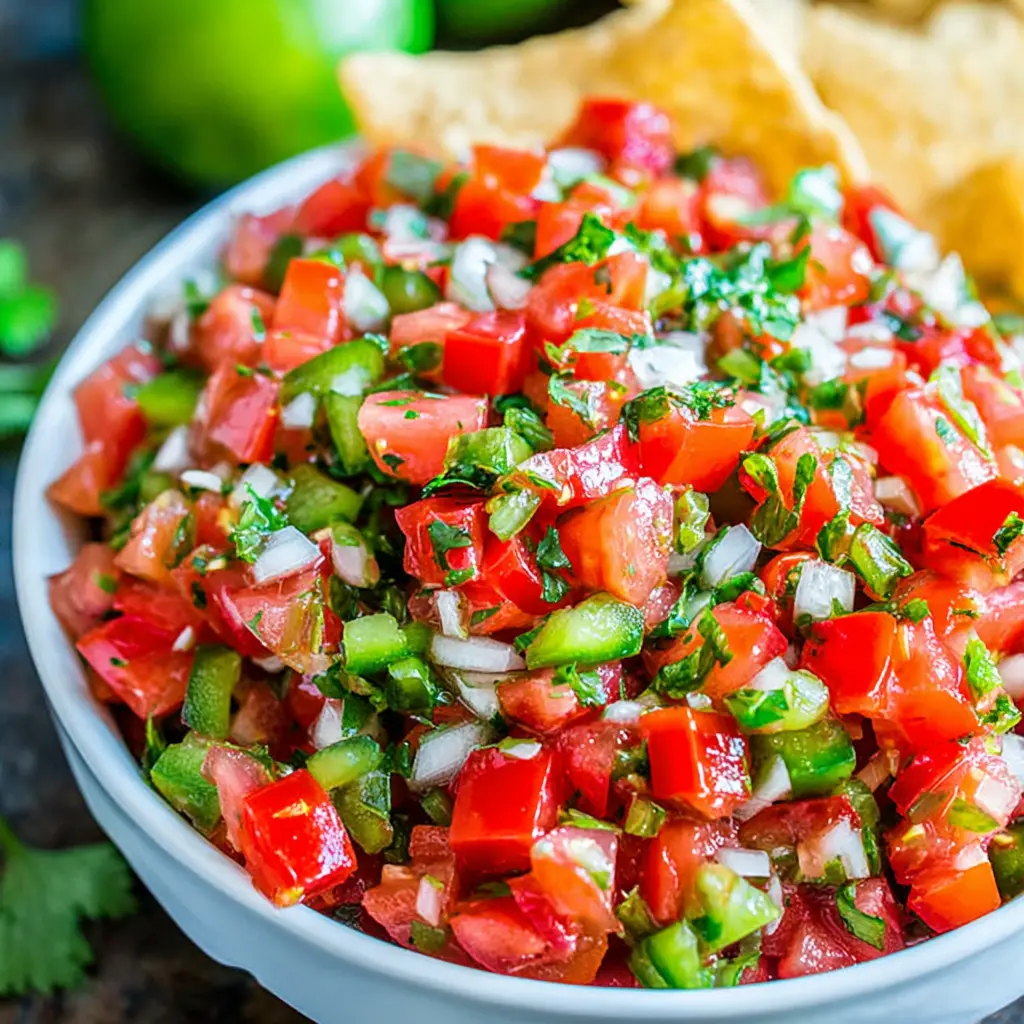
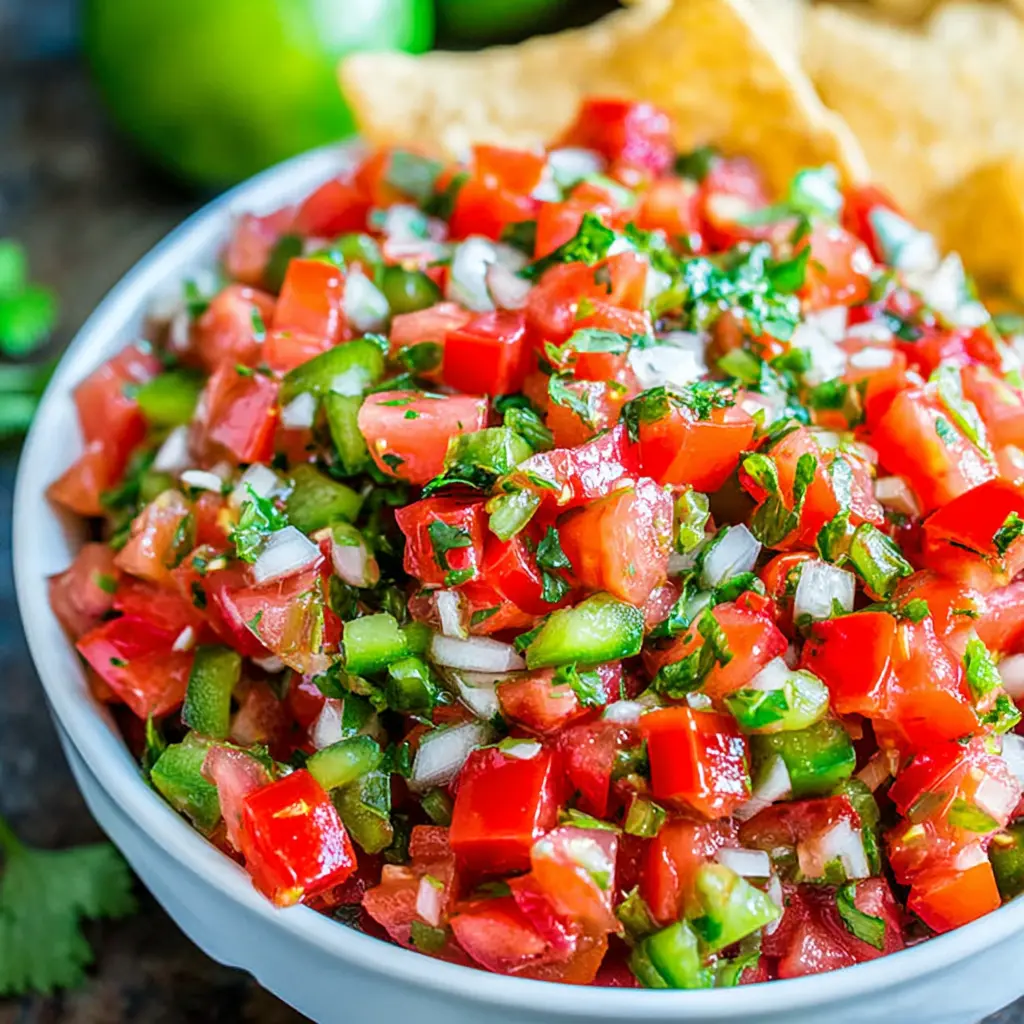
Smoky Habanero Pico de Gallo
Ingredients
Method
- In a medium mixing bowl, combine the diced tomatoes, finely chopped white onion, minced habanero pepper, and chopped cilantro.
- Add the fresh lime juice, salt, and black pepper. Stir everything together until well mixed. Taste and adjust seasoning if needed. Serve immediately or cover and refrigerate for at least 30 minutes to let the flavors meld.
Nutrition
Notes
Tried this recipe?
Let us know how it was!What Is Habanero Pico de Gallo?
You know that moment when a basic salsa just isn’t cutting it? Like, you’re staring at a bowl of sad, watery pico from the store and thinking, “I deserve better.” That’s exactly where this habanero pico de gallo comes in. It’s the fiery, fresh, no-cook salsa that’ll wake up your taste buds and make you wonder why you ever settled for less.
Honestly, I used to think pico de gallo was just… fine. A little boring, honestly. Then I started messing around with habaneros, and everything changed. This isn’t just a tomato salsa with habanero thrown in for heat. It’s a carefully balanced chunky salsa fresca where the citrusy, almost fruity burn of the habanero dances with the sweet pop of ripe tomatoes and the sharp bite of white onion. It’s the kind of spicy Mexican salsa that makes you sit up a little straighter at the table.
So, can you use habanero in pico de gallo? Absolutely. And you should. It’s the difference between a polite hello and a standing ovation at your next BBQ.
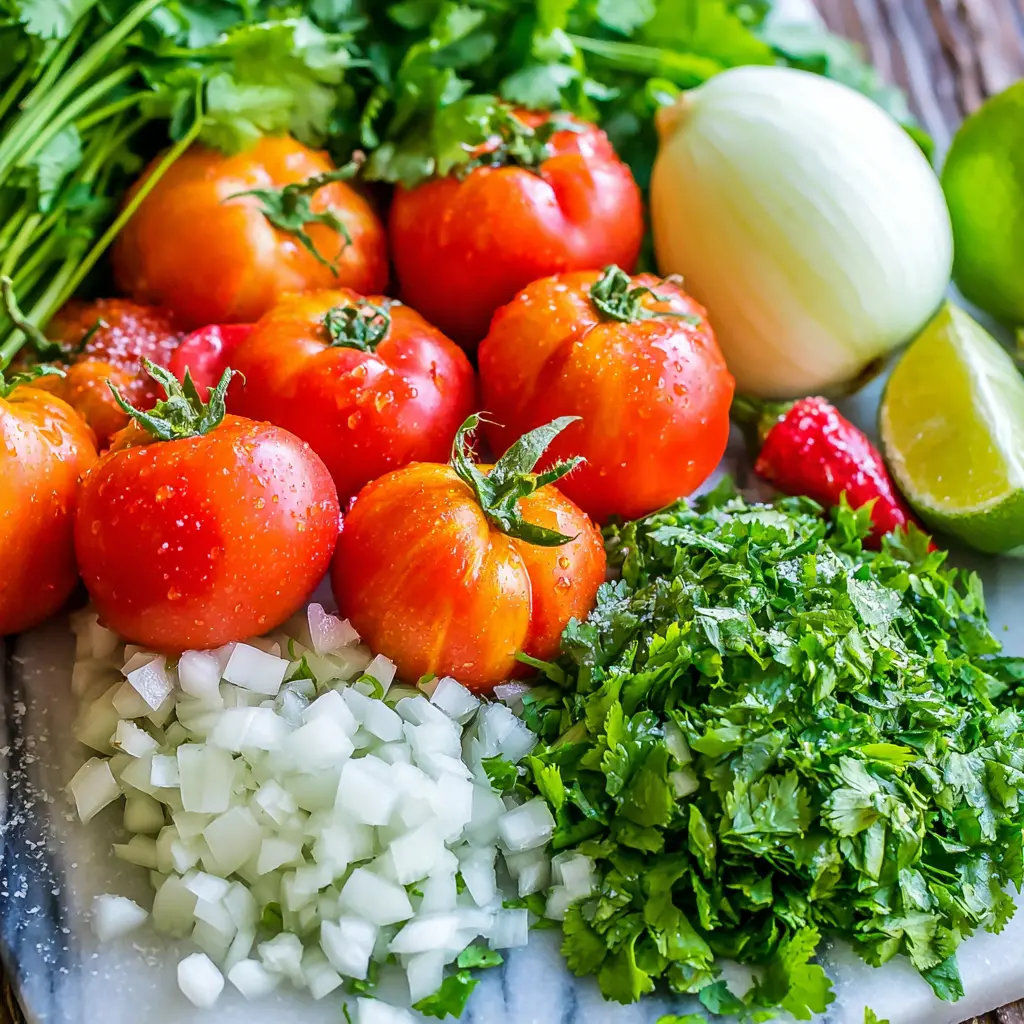
Ingredients for Habanero Pico de Gallo
The beauty of this recipe? It’s just seven ingredients. Seven. And you probably already have most of them in your kitchen. No cooking, just chopping this is basically a fancy chopping workout. Here’s what you need for the best fresh pico de gallo recipe:
- 1 pound Roma tomatoes, diced Look for ones that are deep red and firm but give a little when squeezed. Those pale, mealy winter tomatoes? Leave ’em at the store. Summer is when this summer salsa recipe shines.
- 1/2 medium white onion, finely chopped White onion is the classic here. It’s sharp and clean. Red onion works too, but it’s a little sweeter. I’d avoid yellow onions they’re too strong for this.
- 1 small habanero pepper, seeded and minced The star of the show. More on handling this little firecracker in a minute. But trust me, one small pepper is the sweet spot for most people.
- 1/2 cup fresh cilantro, chopped Don’t skimp. Cilantro is non-negotiable in this cilantro and lime salsa. If you’re one of those folks who thinks it tastes like soap, you can swap in flat-leaf parsley or just leave it out.
- 2 tablespoons fresh lime juice From about one lime. Please, for the love of all that is holy, do not use bottled lime juice. It’s not the same. The fresh stuff is bright and zingy.
- 1/2 teaspoon salt Or to taste. You might need a little more depending on your tomatoes.
- 1/8 teaspoon black pepper Just a pinch. It adds a little background warmth.
How to Make Habanero Pico de Gallo
Alright, let’s get to it. This is one of those recipes where the technique matters more than you think. Sure, you could just toss everything in a bowl and call it a day. But if you want that restaurant-quality texture and flavor, there’s a little method to the madness. Here are the four major stages.
Stage 1: Prep Your Tomatoes
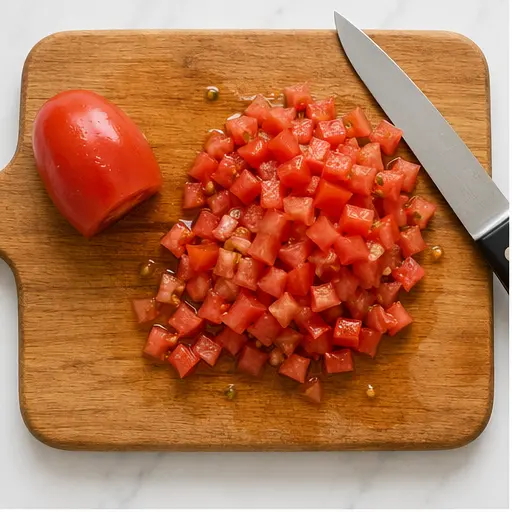
Start by dicing your Roma tomatoes. I like to cut them in half lengthwise and scoop out the seeds and jelly with a spoon. Some folks leave ’em in, but I find that’s what makes your pico de gallo watery after a few hours. You want that chunky salsa fresca texture, not tomato soup. Dice them into even, bite-sized pieces about 1/4 inch. Not too small, not too big. You want each spoonful to have a little pop.
Stage 2: Chop Your Onion and Habanero
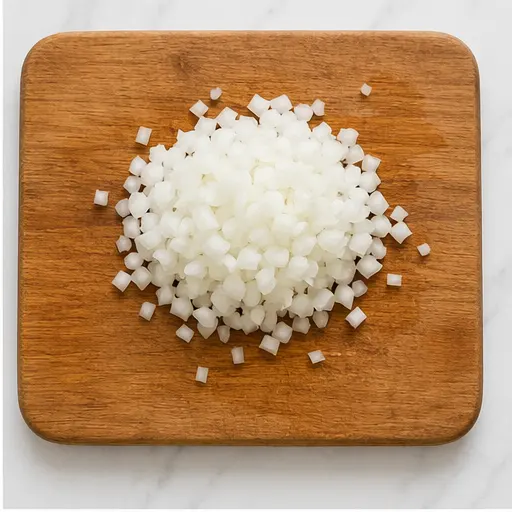
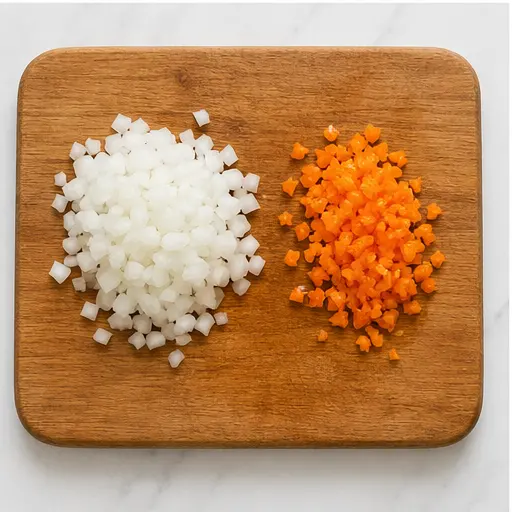
Finely chop your white onion. I mean finely. You don’t want big chunks of raw onion dominating every bite. It should be small enough to blend in but still give you that crunch. Then, and this is critical, put on some gloves before you touch that habanero. I once made the mistake of thinking I’d be careful and then rubbed my eye an hour later. I cannot describe the pain. It was like someone set my face on fire. So yeah, gloves. Cut the habanero in half, scrape out the seeds and white membranes (that’s where most of the heat lives), and mince it as fine as you can. If you’re nervous, start with half the pepper. You can always add more.
Stage 3: Chop Your Cilantro and Juice Your Lime
Give your cilantro a good rinse and dry it. Then chop it stalks and all. The stems have tons of flavor. Don’t be precious about it. Just a rough chop is fine. Squeeze your lime. Roll it on the counter first to get the juices flowing. You want about two tablespoons. Taste it. Is it tart? Good. That’s what you need to balance the heat.
Stage 4: Combine and Season
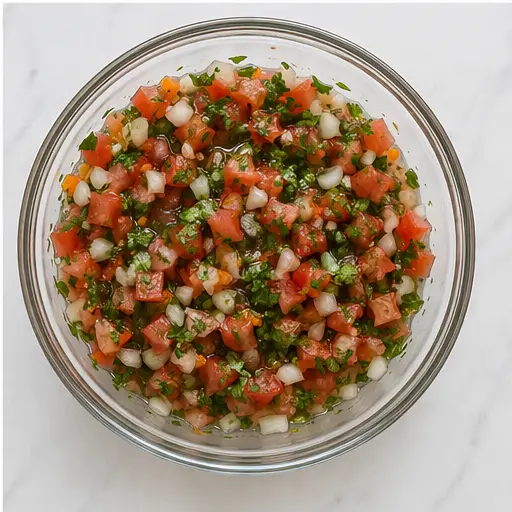
In a medium mixing bowl, combine your diced tomatoes, finely chopped onion, minced habanero, and chopped cilantro. Add the lime juice, salt, and black pepper. Stir everything together until it’s well mixed. Here’s the part where you need to trust your instincts. Taste it. Is it too spicy? Add a little more lime juice or another diced tomato. Not enough kick? Mince up a little more habanero (with gloves on, remember?). Bland? Add another pinch of salt. This is your salsa, so make it yours.
Tips for the Best Habanero Pico de Gallo
Here are a few things I’ve learned the hard way so you don’t have to. First, let it rest. This salsa tastes even better after a few hours in the fridge. The flavors meld, the heat spreads out, and everything becomes one happy, spicy family. Second, drain excess liquid before serving if it’s been sitting. Tomatoes release water, and nobody wants a soggy chip. Third, taste and adjust. I can’t say this enough. Your tomatoes might be sweeter or more acidic than mine. Your habanero might be a beast. Trust your tongue.
- Heat adjustment: If your pico de gallo is too spicy, add more diced tomatoes or a splash of extra lime juice. Acid and sweetness both help tame the burn.
- Texture tip: For an even chunkier salsa, don’t over-dice. Leave some pieces a little bigger. For a smoother version, give it a few pulses in a food processor (but don’t puree it you want texture).
- Freshness: Use the ripest tomatoes you can find. Farmers’ market tomatoes in summer? Unbeatable. This is the essence of a no-cook salsa.
How to Handle Habanero Peppers Safely
Okay, let’s talk about the elephant in the room. Habaneros are hot. Like, really hot. They’re up there on the Scoville scale way hotter than jalapeños. So handling them requires a little respect. Here’s what you need to know about habanero pepper handling:
- Wear gloves. Disposable nitrile gloves are cheap and worth every penny. If you don’t have gloves, try putting a plastic sandwich bag over your hand. It’s not elegant, but it works.
- Don’t touch your face. Especially your eyes, nose, or any sensitive skin. The capsaicin oil will linger on your fingers even after you wash them. I learned this the hard way. Twice.
- Wash your knife and cutting board immediately with hot, soapy water. Don’t let the oil sit. And don’t use that cutting board for anything else until it’s been thoroughly cleaned.
- Remove the seeds and membranes if you want less heat. That’s where most of the capsaicin lives. If you want the full experience, leave a few seeds in. But honestly, for most people, one seeded habanero is plenty.
- If you burn your skin, don’t use water. Capsaicin is oil-based, so water just spreads it. Use rubbing alcohol, vegetable oil, or even milk to break down the oil. Then wash with soap.
Serving Suggestions
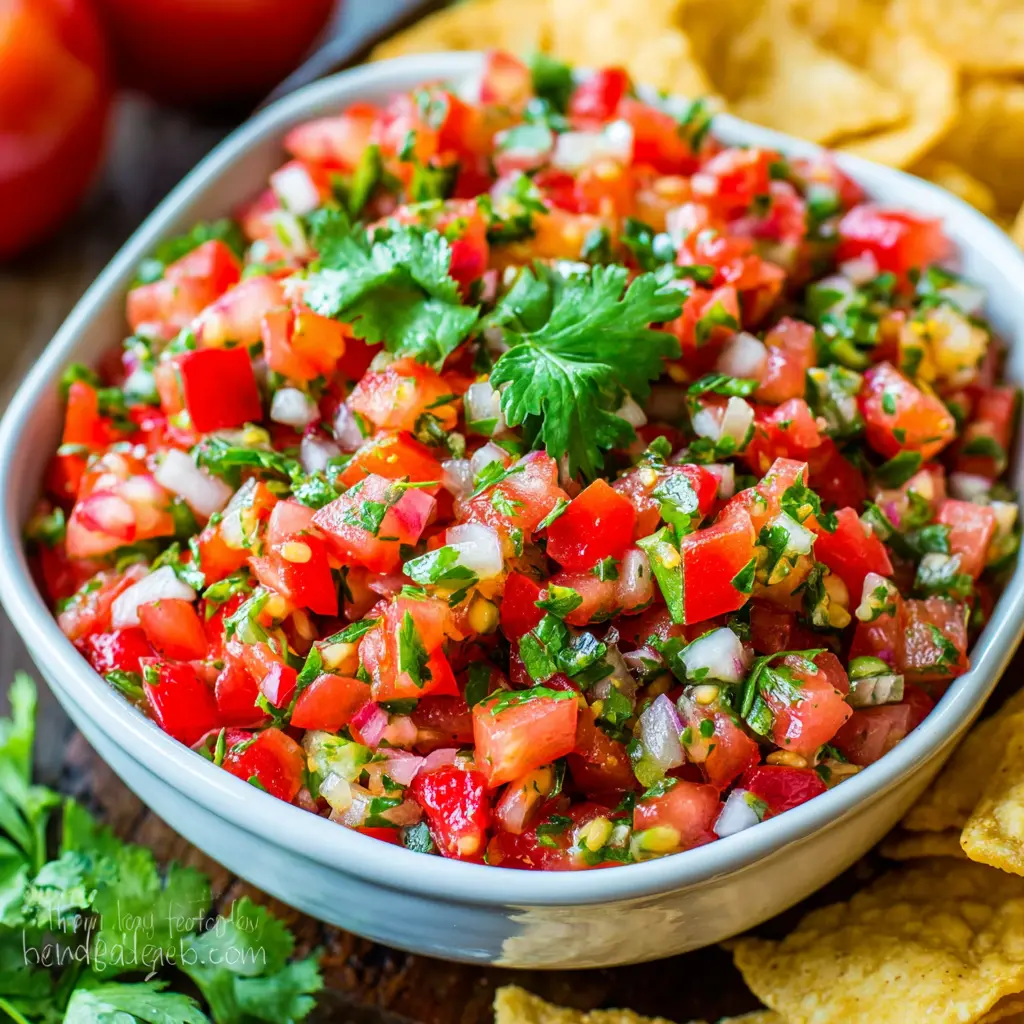
So you’ve made this gorgeous, fiery habanero pico de gallo. Now what? Honestly, the possibilities are endless. This isn’t just a salsa for tacos (though it’s amazing for that). It’s a versatile condiment that can elevate almost anything. Here are some of my favorite ways to use it:
- With tortilla chips: The classic. Get good, thick, restaurant-style chips. The crunch against the fresh, chunky salsa is pure magic.
- On tacos: Fish tacos, carne asada tacos, chicken tacos this salsa adds brightness and heat that cuts through rich meats perfectly.
- Over grilled chicken or fish: A spoonful of this on top of a grilled chicken breast or a piece of salmon? Chef’s kiss. It’s the perfect salsa for grilled chicken.
- On eggs: Scrambled eggs, huevos rancheros, even a simple omelet. The fresh tomato and lime wake up your morning like nothing else.
- As a topping for burrito bowls: Skip the store-bought salsa and load up your bowl with this homemade goodness.
- Alongside grilled meats: It’s one of the best BBQ side dishes you can make. Bring it to your next cookout and watch it disappear.
Honestly, I’ve even put it on a hot dog. Don’t judge until you try it.
Storage and Make-Ahead Tips
One of the best things about this habanero pico de gallo is that it actually gets better with a little time. The flavors need a chance to get to know each other. But there are a few things to keep in mind so you’re not left with a watery mess. Here’s what I’ve learned about salsa storage tips:
- Store in an airtight container in the fridge. It’ll keep for up to 5 days, though honestly, it’s best within the first 2-3 days.
- Don’t freeze it. I know, I know, meal prep is tempting. But frozen and thawed pico de gallo turns into a sad, mushy, watery disaster. The texture of the tomatoes just doesn’t survive. Make it fresh it only takes 15 minutes.
- Drain excess liquid before serving. As it sits, the salt draws moisture out of the tomatoes. Just give it a stir and, if needed, pour off some of the liquid. Or use a slotted spoon to serve.
- Don’t add the lime juice until you’re ready to serve if you’re making it more than a day ahead. The acid can start to break down the tomatoes and make them mushy. I usually mix everything except the lime and cilantro, then add those just before serving.
This is a great make-ahead option for your Taco Tuesday or weekend BBQ. Just prep the ingredients, store them separately, and combine when you’re ready to impress.
Frequently Asked Questions
When you bring this habanero pico de gallo to your July 4th BBQ, expect to leave with an empty bowl. It’s the kind of recipe that makes people ask, “Who made this? Can I get the recipe?” And you’ll smile, knowing it took you all of 15 minutes and zero cooking. That’s the power of fresh, simple ingredients done right. So go ahead, grab a habanero, put on those gloves, and make something that’ll light up your table. You’ve got this.
Source: Health & Nutrition Research
What does habanero pineapple salsa taste like?
Habanero pineapple salsa is sweet, tangy, and spicy. The pineapple adds a tropical sweetness that balances the habanero’s fruity heat. It’s a popular variation, though our recipe keeps it classic with just tomatoes, onion, and lime. If you want to try it, add about 1/2 cup of diced fresh pineapple.
Can I use this recipe for canning?
No, this recipe is not suitable for canning. It’s a fresh, no-cook salsa, and the pH balance isn’t safe for water bath canning. For shelf-stable salsa, you need a tested canning recipe with added acid. Stick to refrigerating this one and enjoy it within a few days.
Can I freeze this recipe?
I wouldn’t recommend it. Freezing changes the texture of the tomatoes completely. They become watery and mushy when thawed, and the fresh crunch of the onion is lost. This habanero pico de gallo is best enjoyed fresh, within 3-5 days of making it. It’s so quick to make, you won’t miss having it frozen.
What is the difference between pico de gallo and salsa?
Pico de gallo is a type of salsa, but it’s chunkier and fresher. It’s made with diced raw ingredients and isn’t cooked or pureed. Traditional salsa can be cooked, blended, or have a smoother consistency. Think of pico de gallo as the fresh, crunchy cousin of salsa it’s all about those distinct, bite-sized pieces.