Why This Blueberry Vanilla Layer Cake Works
Every baker has a berry cake horror story. Mine involved a pan full of blueberries at the bottom, a dry crumb on top, and a very sad birthday girl. I’d tried everything. I’d folded them in gently. I’d used frozen berries straight from the bag. Nothing worked. The berries always sank like little purple stones to the bottom of the pan. It was a mess. And it made me feel like I just couldn’t get it right.
But I’ve cracked the code, and this blueberry vanilla layer cake is the payoff. The secret is in the flour. Tossing those gorgeous little berries in a bit of flour before you add them to the batter? That’s the non-negotiable trick. It gives them just enough grip to stay suspended in the batter. No more sinking. No more sad bottom layer. You want a cake that looks like it came from a bakery but tastes like home. This is that cake.
I know layered cakes can feel intimidating, especially with fruit. But I promise, this one is doable. It’s the kind of cake you make for a Mother’s Day brunch or a spring birthday when you want to hear someone say, “Wait, you made this?” And the whole time you’re slicing it, you’ll feel that little flutter of pride. Oh, for the love of Pete, it’s worth it.
Key Ingredients and Substitutions
Let’s talk about what goes into this blueberry vanilla layer cake and why each thing matters. I’m not one for fussy ingredients, but a few of these are non-negotiable for the perfect texture.
All-Purpose Flour and Cake Flour. You’ll notice we use a mix. The all-purpose gives structure, while the cake flour (or that box of vanilla instant pudding mix) keeps things tender. Don’t skip the pudding mix. It’s my secret weapon for a soft, bakery-style crumb that stays moist for days.
Buttermilk. This is a big one. The acid in the buttermilk reacts with the baking soda to create a super tender crumb. It also adds a subtle tang that plays so nicely with the sweet blueberries. If you don’t have buttermilk, you can make a quick substitute: add one tablespoon of lemon juice to a cup of whole milk and let it sit for five minutes. It’s not quite the same, but it’ll work in a pinch.
Blueberry Emulsion vs. Extract. I use a natural blueberry emulsion here. It gives a cleaner, more authentic blueberry flavor than extract, which can sometimes taste a little artificial. You can find it at most baking supply stores or online. If you can’t find it, you can double the vanilla extract, but the blueberry flavor won’t be as pronounced.
For the frosting, we’re doing a cream cheese buttercream. It’s tangy, it’s creamy, and it balances the sweetness of the cake perfectly. Use brick-style cream cheese, not the spreadable kind in a tub. The spread has too much water and will make your frosting runny. Trust me on this one.
The Recipe Science: Why This Works
I’m not a food scientist, but I’ve ruined enough cakes to figure out a few things. This section is the stuff I wish someone had told me years ago.
Room Temperature Ingredients. This isn’t being fussy, it’s the difference between a light, fluffy cake and a dense, heavy one. Cold butter won’t cream properly with the sugar. Cold eggs will seize up the batter. Cold buttermilk won’t emulsify. You want everything at around 65 to 70 degrees Fahrenheit. Take your eggs and butter out of the fridge an hour before you start. For the buttermilk, just let it sit on the counter for 30 minutes.
The Creaming Method. When you beat the butter and sugar together, you’re creating tiny air pockets. Those pockets expand in the oven and give the cake its lift. You need to beat it for a full three to four minutes until it’s pale yellow and fluffy. Don’t rush this step. It’s the foundation of the whole cake.
Why Flour-Coated Berries Don’t Sink. Fresh or frozen blueberries are heavy and dense. When you drop them into a thin batter, gravity wins. But when you coat them in a little flour, that flour absorbs some of the moisture from the batter and creates a sort of paste around the berry. That paste acts like glue, holding the berry in place. It’s simple physics, and it works every single time.
Step-by-Step Instructions (The Narrative)
Alright, let’s walk through this. I’ll tell you what to look for at each stage so you know you’re on the right track.
Start by preheating your oven to 350 degrees Fahrenheit. Grease three 8-inch cake pans and line the bottoms with parchment paper. This is not the time to skip the parchment. I’ve had cakes stick to the pan, and it’s heartbreak I don’t want for you.
In a medium bowl, whisk together your dry ingredients: the flour, the pudding mix, the baking powder, the baking soda, and the salt. Set that aside. In a separate small bowl, toss your blueberries with about a tablespoon of that flour mixture. I know it seems like an extra step, but it’s the magic trick. Don’t skip it.
In the bowl of a stand mixer (or a large bowl with a hand mixer), beat the softened butter and sugar together on medium-high speed. You’re looking for it to become pale and fluffy. This takes a good three to four minutes. Scrape down the sides of the bowl halfway through.
Add the eggs one at a time, beating well after each addition. Then add the vanilla extract and the blueberry emulsion. The batter should look thick and fluffy at this point, not runny. If it looks like soup, your butter was probably too warm.
Now, alternate adding the dry ingredients and the buttermilk. Start with a third of the flour, then half the buttermilk, then another third of the flour, the rest of the buttermilk, and finish with the last of the flour. Mix on low speed just until combined after each addition. Overmixing at this stage develops the gluten and makes a tough cake. We don’t want that.
Finally, gently fold in the flour-coated blueberries with a spatula. Use a light hand here. You want them evenly distributed, not smashed.
Divide the batter evenly among the three pans. Bake for 22 to 28 minutes. The test? A toothpick inserted in the center should come out clean with a few moist crumbs, not wet batter. The tops should be golden and spring back when you lightly press them.
Let the cakes cool in the pans for ten minutes, then turn them out onto a wire rack to cool completely. Patience, my friend. If you try to frost them while they’re warm, you’ll have a melty disaster.
Tips for the Perfect Cake
I’ve collected these tips over years of trial and error. Some I learned from my grandmother, Mamie. Others I learned the hard way, staring at a lopsided cake on my counter.
Prep & Baking Tips
Use a digital scale. Measuring flour by volume is the number one cause of dry cakes. A cup of flour can weigh anywhere from 120 to 150 grams depending on how you scoop it. A scale takes the guesswork out.
Don’t overmix the batter. Once you add the flour, mix only until you don’t see any more streaks. Overmixing makes the cake tough and dense. I mean it. Stop mixing.
Line your pans with parchment. Grease the pan, place a circle of parchment in the bottom, and grease the parchment too. This guarantees your cake will release cleanly. It’s a two-minute step that saves you a world of frustration.
Assembly & Frosting Tips
Level your cake layers. Even if your cakes baked flat, they might have a slight dome. Use a serrated knife or a cake leveler to trim the tops. This gives you a stable, even stack.
Chill the blueberry filling before assembling. If you try to spread warm filling, it will soak into the cake and make it soggy. Make the filling ahead of time and let it chill in the fridge for at least 30 minutes.
Use a crumb coat. Spread a very thin layer of frosting over the entire assembled cake. This traps the crumbs. Then chill the cake for 15 to 20 minutes. The crumb coat will set, and your final layer of frosting will be perfectly smooth and crumb-free.
Common Mistakes & Fixes
Mistake: The blueberries all sank to the bottom.
Solution: You didn’t coat them in flour, or your batter was too thin. Next time, toss the berries in flour and make sure your batter is thick and fluffy, not runny.
Mistake: The cake layers domed too much.
Solution: Your oven was too hot, or you overfilled the pans. Use an oven thermometer to check the temperature, and fill pans only two-thirds full. You can also use insulating baking strips around the pans for perfectly flat tops.
Mistake: The frosting is too runny.
Solution: Your cream cheese or butter was too soft. It should be cool to the touch, not greasy. Pop the frosting in the fridge for 15 minutes to firm it up, then re-whip.
Variations to Try
Once you’ve mastered this blueberry vanilla layer cake, the possibilities are endless. Here are a few ways to switch it up.
Lemon Blueberry Cake. Add the zest of two lemons to the sugar and rub it in with your fingers before creaming with the butter. The lemon oils will infuse the sugar and give the cake a bright, citrusy flavor. You can also add a tablespoon of lemon juice to the frosting.
Raspberry Vanilla Layer Cake. Swap the blueberries for an equal amount of fresh raspberries. Toss them in flour just like you would with the blueberries. The raspberries will break down a bit more, creating beautiful pink swirls throughout the cake.
Different Frostings. This cake is delicious with a simple vanilla buttercream, a whipped cream frosting, or even a cream cheese glaze. If you want something lighter, try a stabilized whipped cream. Just whip cold heavy cream with a little powdered sugar and a tablespoon of instant clearjel for stability.
Storage and Freezing Instructions
This cake actually gets better on day two. The flavors meld together, and the moisture from the filling seeps into the cake layers. Store any leftover cake in an airtight container in the refrigerator for up to four to five days. Let it sit at room temperature for about 30 minutes before serving for the best flavor and texture.
Make-Ahead Strategy. This is my favorite way to tackle a layered cake for a big event. Bake the cake layers up to two days ahead. Let them cool completely, then wrap each layer tightly in plastic wrap and store them at room temperature. You can also make the blueberry filling up to a week in advance and keep it in the fridge. Then, on the day you want to serve the cake, just make the frosting and assemble. It breaks the work into manageable chunks.
Freezing Instructions. Unfrosted cake layers freeze beautifully. Wrap each cooled layer in plastic wrap, then in a layer of foil. Freeze for up to three months. To thaw, place the wrapped layers in the refrigerator overnight. Frost while still cold for the cleanest assembly. You can also freeze the entire frosted cake for up to two months. Thaw it overnight in the fridge before serving.
Frequently Asked Questions
Final Thoughts: You’ve Got This
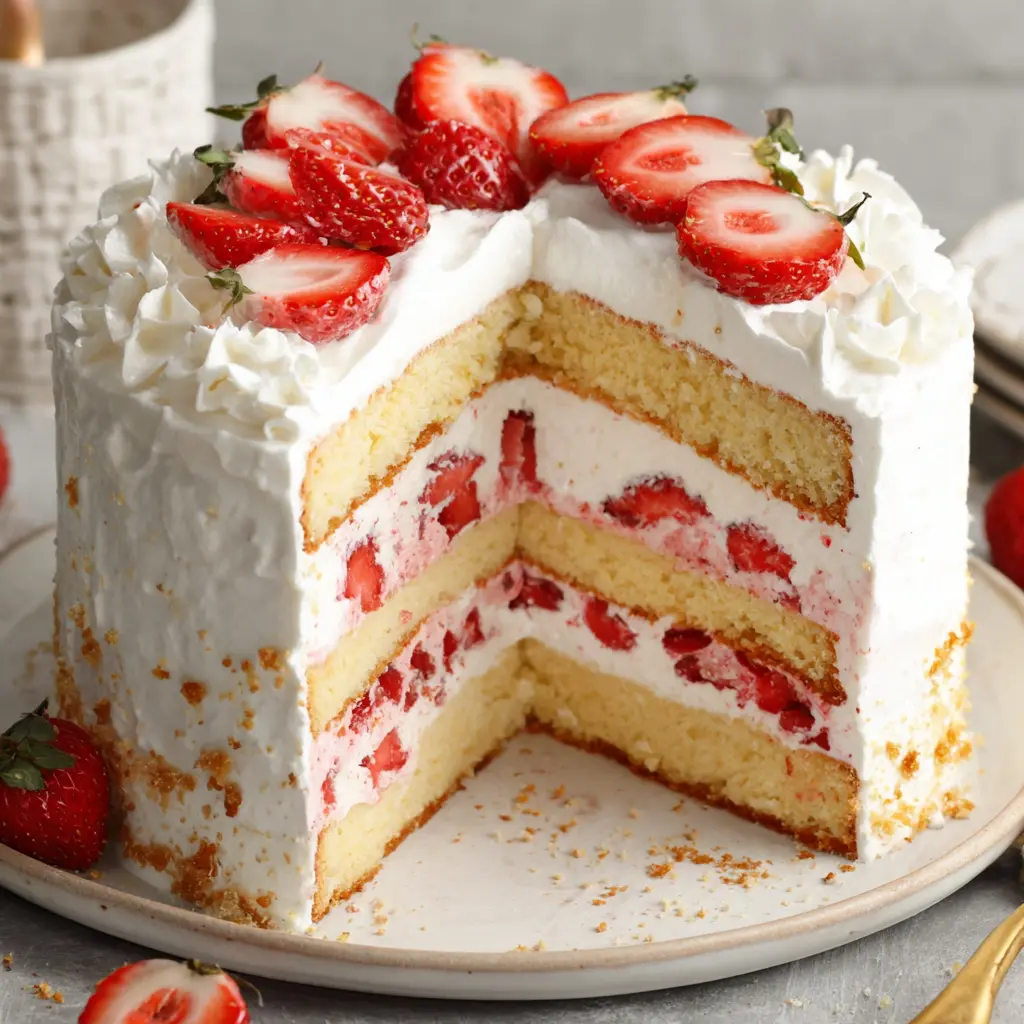
When you serve this blueberry vanilla layer cake at your next spring gathering, everyone will ask for the recipe. And you’ll smile, knowing you made something that looks like it came from a fancy bakery but tastes like pure, honest home. The purple-blue swirls in each slice are the reward for your patience. The creamy, tangy frosting is the payoff for chilling that filling.
Let me know how your cake turns out. I’d love to see your berry swirls. For more inspiration, check out my Pinterest boards where I share tons of variations and other spring dessert ideas. You’ve got this, baker. Trust the process, and enjoy every single bite.
Source: Nutritional Information
Can I use frozen blueberries instead of fresh in a blueberry vanilla layer cake?
Yes, you can. Use them frozen straight from the bag. Do not thaw them first, or they’ll bleed purple dye into your batter. Toss them in flour just like you would with fresh berries. The bake time might need an extra minute or two.
How do you make a blueberry vanilla layer cake with cream cheese frosting?
Follow the recipe for the cake layers and the blueberry filling. For the cream cheese frosting, beat room temperature cream cheese and butter together until smooth. Gradually add powdered sugar and a splash of vanilla extract. Beat until light and fluffy. Use a crumb coat for a clean finish.
What is the best way to keep a blueberry vanilla layer cake moist?
Don’t overbake the layers. Use buttermilk in the batter for extra moisture. After assembling, store the cake in an airtight container in the refrigerator. The blueberry filling also adds moisture, so don’t skimp on it. Let the cake come to room temperature before serving.
How long does a blueberry vanilla layer cake with cream cheese last?
Stored properly in an airtight container in the refrigerator, the cake will stay fresh for four to five days. The flavor actually improves after the first day as the filling and frosting meld with the cake layers. Bring to room temperature before serving.
Can I substitute the blueberry emulsion in this blueberry vanilla layer cake recipe?
Yes, you can. If you don’t have blueberry emulsion, you can use an equal amount of vanilla extract instead. The cake will still be delicious, but the blueberry flavor will be more subtle. You can also try a different berry emulsion like raspberry or strawberry.
Can I bake this cake in 9-inch cake pans instead of 8-inch?
Yes, you can. The layers will be thinner and will bake faster, so check for doneness around 18 to 22 minutes. You may also need to adjust the frosting amount slightly. The cake will still be beautiful and delicious.