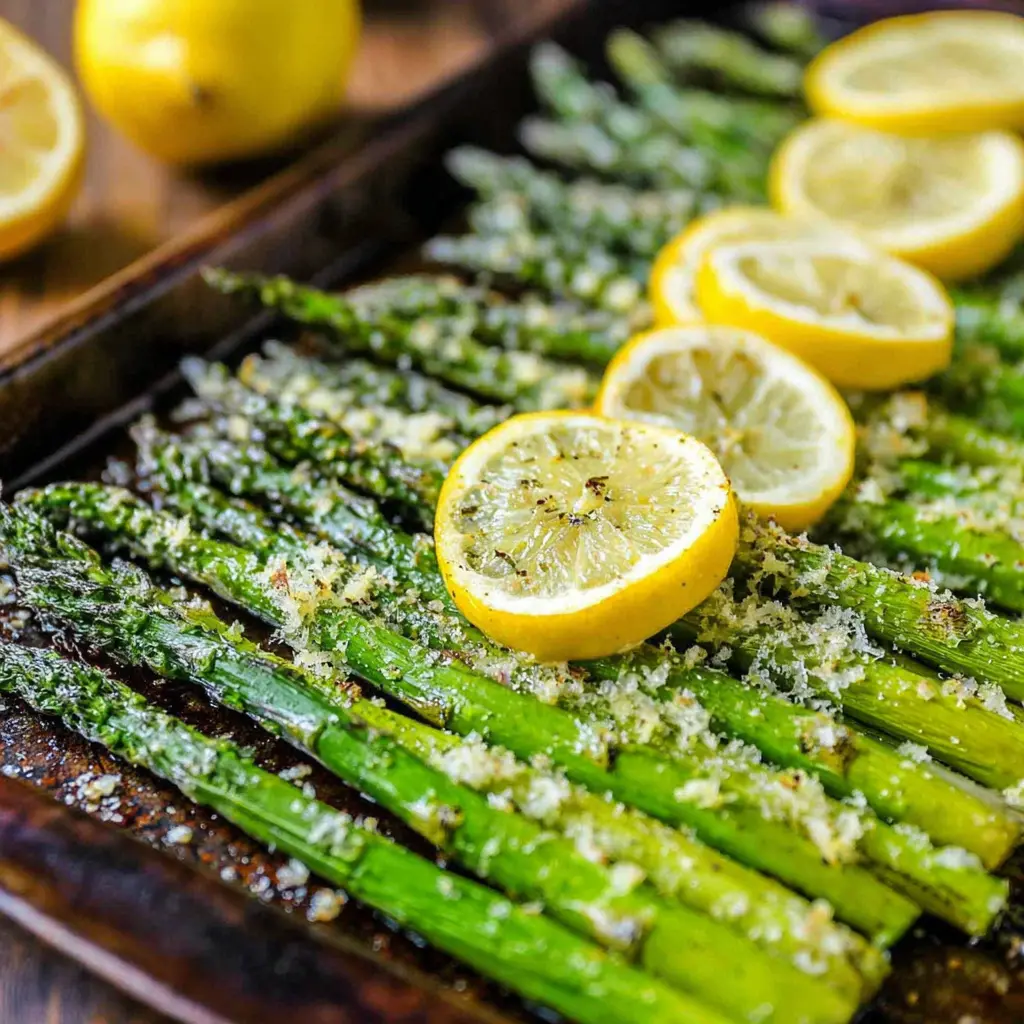
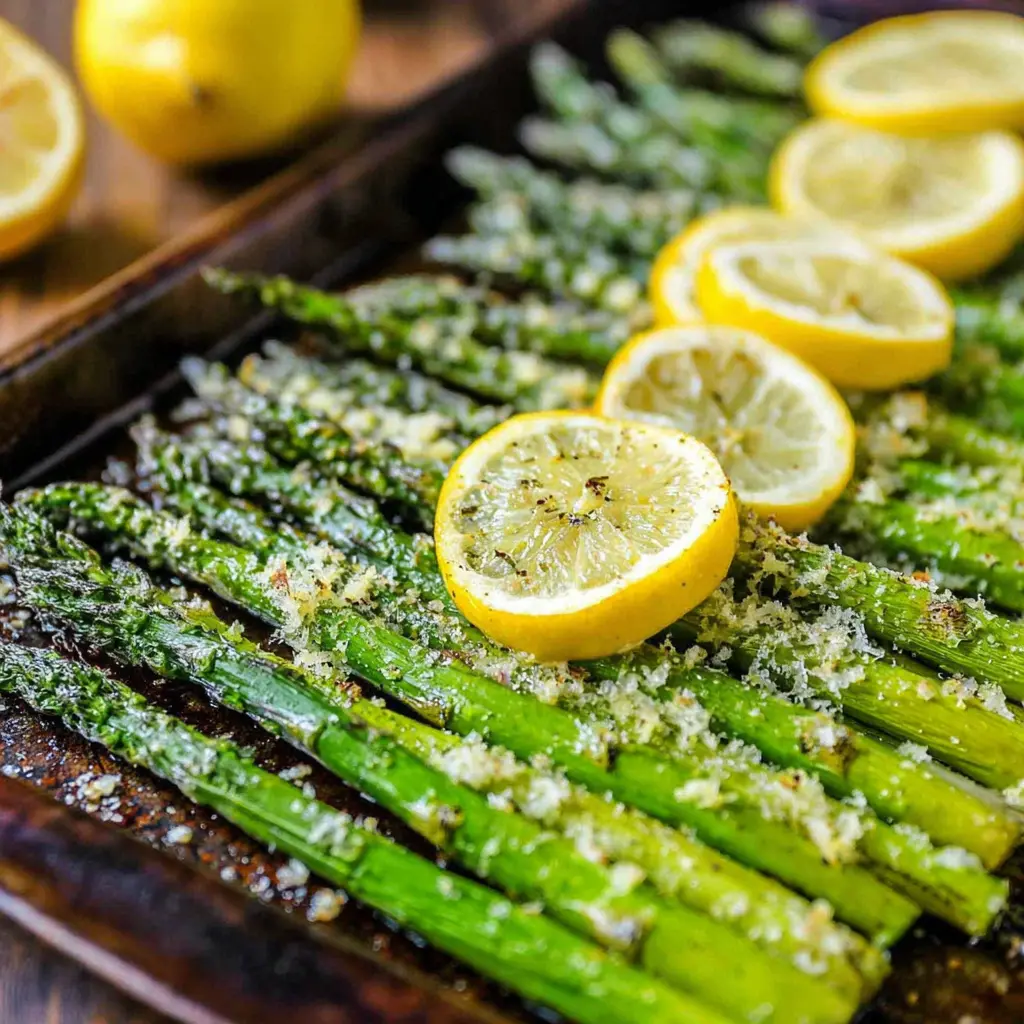
Lemon Butter Parmesan Roasted Asparagus
Ingredients
Method
- Preheat the oven to 400°F.
- Rinse the asparagus and snap off the tough ends.
- Arrange the asparagus on a large, rimmed baking sheet. Drizzle with olive oil, then season with salt and pepper. Toss to coat evenly.
- Squeeze the juice from half a lemon evenly over the asparagus. Arrange lemon slices over the top third of the asparagus.
- Place butter pieces along the center of the asparagus.
- Bake for 10 minutes, or until the asparagus is tender.
- Remove from the oven and set the oven to broil.
- Sprinkle Parmesan cheese over the center of the asparagus and broil for 2-3 minutes, until the cheese is melted and golden.
- Serve immediately.
Nutrition
Notes
Tried this recipe?
Let us know how it was!I Used to Hate Making Asparagus. Here’s Why I Changed My Mind.
Honestly? I used to dread asparagus season. I’d bring home those beautiful bunches from the Santa Monica farmers market, full of good intentions, and then I’d steam them into sad, limp little soldiers. Or worse, I’d boil them until they were this weird shade of olive drab. My kids would take one look and suddenly remember they had urgent homework. I get it. I really do.
But then I discovered this one simple trick that changed everything. Roasted Lemon Asparagus. I know, it sounds almost too simple, right? But the combination of high heat, good olive oil, and bright citrus transforms those stalks into something completely different. The tips get all crispy and golden, the stems turn tender with just a little bite, and the whole thing smells like a spring afternoon. And the best part? You literally just toss everything on a sheet pan and forget about it. It’s maybe the easiest thing I make all week, and it’s the thing that gets the most compliments. I mean, who knew vegetables could be this easy?
So if you’ve had your fair share of sad, steamed asparagus, stick with me. This Roasted Lemon Asparagus is about to become your new go-to side dish. It’s perfect for those mild April evenings when you want something light but still impressive. And honestly, it’s so good that even my kids ask for seconds. That’s not a brag, that’s just a fact.
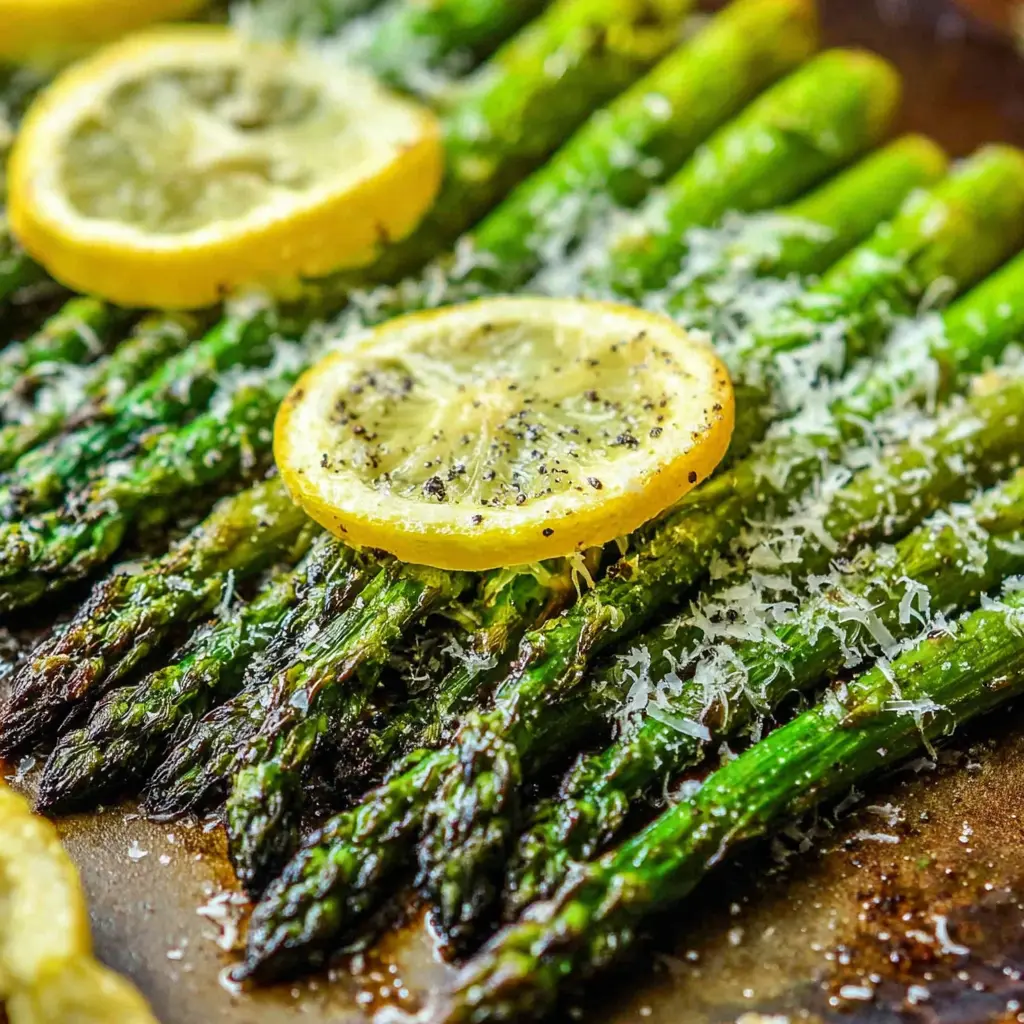
Why This Roasted Lemon Asparagus Actually Works
Here’s the thing about roasting vegetables, and asparagus in particular. It’s not just about throwing them in the oven. There’s a little bit of science involved, and once you understand it, you’ll never go back. The high heat, around 425°F, does two things. First, it caramelizes the natural sugars in the asparagus, giving you those gorgeous browned edges and that deep, nutty flavor. Second, it evaporates the surface moisture quickly, so you get crisp-tender results instead of a soggy mess.
The lemon is the other star here. And I’ll be honest, I used to just squeeze some lemon juice over the asparagus after it came out of the oven. It was fine, but it wasn’t amazing. The real secret is using both the zest and the juice. The zest gives you that bright, citrusy aroma without the sourness, while a little squeeze of juice at the very end adds a pop of acidity that wakes everything up. It’s a one-two punch that makes this lemon asparagus roasted dish taste like something from a fancy restaurant. But you’re making it in your own kitchen. Probably in your sweatpants. No judgment here.
And the Parmesan? Oh, the Parmesan. It gets all crispy and salty in the oven, almost like a little cheese crisp on each stalk. It’s not essential, but it’s pretty amazing. I think you’ll love it.
How to Pick the Best Asparagus at the Store
Before we even get to the cooking, let’s talk about picking the right asparagus. This matters more than you think. You want stalks that are firm and bright green, with tight, closed tips. If the tips look mushy or are starting to open up, they’re past their prime. The cut ends should look fresh and moist, not dry and cracked. And here’s a little trick I learned from a farmer at the Santa Monica market: give the stalks a gentle squeeze. They should be firm, not floppy. Floppy asparagus is old asparagus, and it’s not going to give you that nice crisp texture you’re after.
As for thickness, that’s a personal preference. Thin spears are delicate and cook really fast. Thick spears are more substantial and have a meatier texture. I like medium spears for roasting because they get tender in the middle while the outside gets nice and browned. But honestly, any size will work. You just need to adjust your cooking time. More on that in a minute.
How to Trim Asparagus Properly (The Only Way That Works)
Okay, this is probably the most important step, and it’s also the easiest. You’ve probably seen people cutting off the ends of asparagus with a knife, trying to figure out where the woody part ends and the tender part begins. Stop doing that. Seriously. There’s a much better way.
Hold one stalk of asparagus in both hands, one hand near the bottom and the other near the middle. Gently bend the stalk until it snaps. It will naturally break right where the woody part ends and the tender part begins. It’s like magic. I mean, it’s not actually magic, it’s just plant biology, but it feels like magic. Use that broken stalk as a guide and trim the rest of the bunch to the same length. You’ll waste less asparagus and get a better result every time.
For thicker spears, I sometimes use a vegetable peeler to peel off the fibrous skin on the bottom half. It’s an extra step, but it makes a big difference if you’re working with really thick stalks. The skin can be tough and stringy, and peeling it off ensures every bite is perfectly tender.
How to Roast Lemon Asparagus (The Simple Method)
Now for the fun part. Preheat your oven to 425°F. While it’s heating up, line a baking sheet with parchment paper or foil. I prefer parchment because it makes cleanup even easier, and it helps prevent sticking. Spread your trimmed asparagus on the sheet in a single layer. And I mean a single layer. No overlapping. Each stalk needs its own space to get crispy and browned. If you crowd the pan, they’ll steam instead of roast, and you’ll end up with soggy asparagus. Nobody wants that.
Drizzle with olive oil and toss to coat. Then sprinkle with sea salt and freshly ground black pepper. Add a generous amount of lemon zest right now. This is key. The zest will infuse the asparagus with that bright citrus flavor as it roasts. I use about a teaspoon of zest for one bunch of asparagus, but feel free to adjust based on your love of lemon. Pop the sheet pan in the oven and roast for 12 to 15 minutes, depending on the thickness of your spears.
Here’s where you need to trust your instincts. Thin spears might be done in 8 to 10 minutes. Thick spears could take up to 18 to 20 minutes. Start checking at the lower end of the range. You’re looking for bright green stalks with browned edges and tips that are starting to crisp up. The stalks should be tender when pierced with a fork but still have a little bit of resistance. When in doubt, it’s better to underbake than overbake. Overcooked asparagus is stringy and sad. Undercooked asparagus is still crunchy and salvageable.
How to Season Roasted Asparagus (Simple Variations)
The base recipe is amazing on its own, but sometimes you want to mix things up. Here are a few simple variations that I love. And remember, these are optional additions, not part of the core recipe. The base roasted lemon asparagus is already perfect, but these are fun ways to change it up.
Garlic Lovers: Toss a few minced garlic cloves with the asparagus before roasting. The garlic gets sweet and nutty in the oven. Just watch it carefully because garlic can burn quickly at high heat. I usually add it halfway through the cooking time to prevent that.
Parmesan Crunch: About 5 minutes before the asparagus is done, sprinkle a generous amount of shredded Parmesan cheese over the stalks. Return to the oven and let it melt and crisp up. The result is a salty, cheesy crust that’s absolutely addictive. This is probably my favorite variation.
Red Pepper Flakes: If you want a little heat, sprinkle some red pepper flakes over the asparagus before roasting. The heat pairs beautifully with the bright lemon and the earthy asparagus. Start with a pinch and add more if you like it spicy.
Tips for Perfect Roasted Asparagus Every Time
I’ve made this recipe probably a hundred times, and I’ve learned a few things along the way. Here are my best tips for getting it right every single time.
Don’t overcrowd the pan. I know I said this already, but it’s worth repeating. If you cram too many stalks onto one sheet pan, they’ll steam instead of roast. Use two pans if you need to. Or roast in batches. Your patience will be rewarded with perfectly browned, crisp-tender asparagus.
Use a hot oven. 425°F is the sweet spot. It’s hot enough to get good caramelization without burning the tips. If your oven runs hot, you might need to adjust the temperature slightly. I’ve had ovens that were off by 25 degrees, so it’s worth knowing your oven’s quirks.
Add the lemon juice at the end. This is a pro tip that makes a huge difference. If you add the lemon juice before roasting, the acid can break down the asparagus and make it mushy. Plus, the heat will cook off some of that bright, fresh flavor. Instead, squeeze the lemon juice over the asparagus right after it comes out of the oven. The residual heat will warm the juice and help it coat the stalks evenly. It’s a small change, but it makes a big difference.
Check early and often. Every batch of asparagus is different. The thickness, the freshness, even the variety can affect cooking time. Start checking at 8 minutes for thin spears, 10 minutes for medium, and 12 minutes for thick. Use a fork to test for tenderness. You want it to be tender but still have a little bit of bite. Trust your instincts. You’ve got this.
Common Mistakes and How to Avoid Them
Common Mistakes & Fixes
Mistake: Overcooking the asparagus until it’s mushy and dull-colored.
Solution: This is the most common mistake, and it’s easy to fix. Start checking for doneness at the lower end of the time range. Remember, it’s better to undercook than overcook. You can always pop it back in the oven for a minute or two, but you can’t un-mush it.
Mistake: Not trimming the woody ends properly.
Solution: Use the snap method I described earlier. It’s foolproof. And if you’re working with thick spears, take the extra minute to peel the bottom half. It makes a huge difference in texture.
Mistake: Overcrowding the baking sheet, which leads to soggy, steamed asparagus.
Solution: Give each stalk its own space. If you need to, use two sheet pans or roast in batches. The extra effort is worth it for those perfectly browned edges.
Serving Suggestions for Lemon Asparagus
This fresh asparagus citrus dish is incredibly versatile. It pairs beautifully with just about any protein. I love serving it alongside grilled chicken, pan-seared salmon, or a simple roasted chicken. The bright lemon flavor cuts through the richness of the meat and balances the whole meal. It’s also amazing with a spring frittata or quiche for a light dinner or brunch.
And honestly, it’s not just a side dish. I’ve been known to chop up leftover savory roasted asparagus plate and toss it into pasta, salads, or even omelets. The leftovers are just as good as the fresh version, maybe even better. The flavors have a chance to meld together, and the asparagus gets even more tender. It’s a healthy asparagus side that works for so many different meals.
How to Store Roasted Asparagus Leftovers
If you somehow have leftovers, store them in an airtight container in the fridge. They’ll keep for about 3 to 5 days. The key to reheating is to avoid making them soggy. I prefer to reheat them in a hot skillet with a little bit of olive oil. Just toss them in the pan for a minute or two until they’re warmed through. You can also reheat them in a 350°F oven for about 5 minutes. The microwave works in a pinch, but it can make them a little limp. I’d only use it if you’re in a hurry.
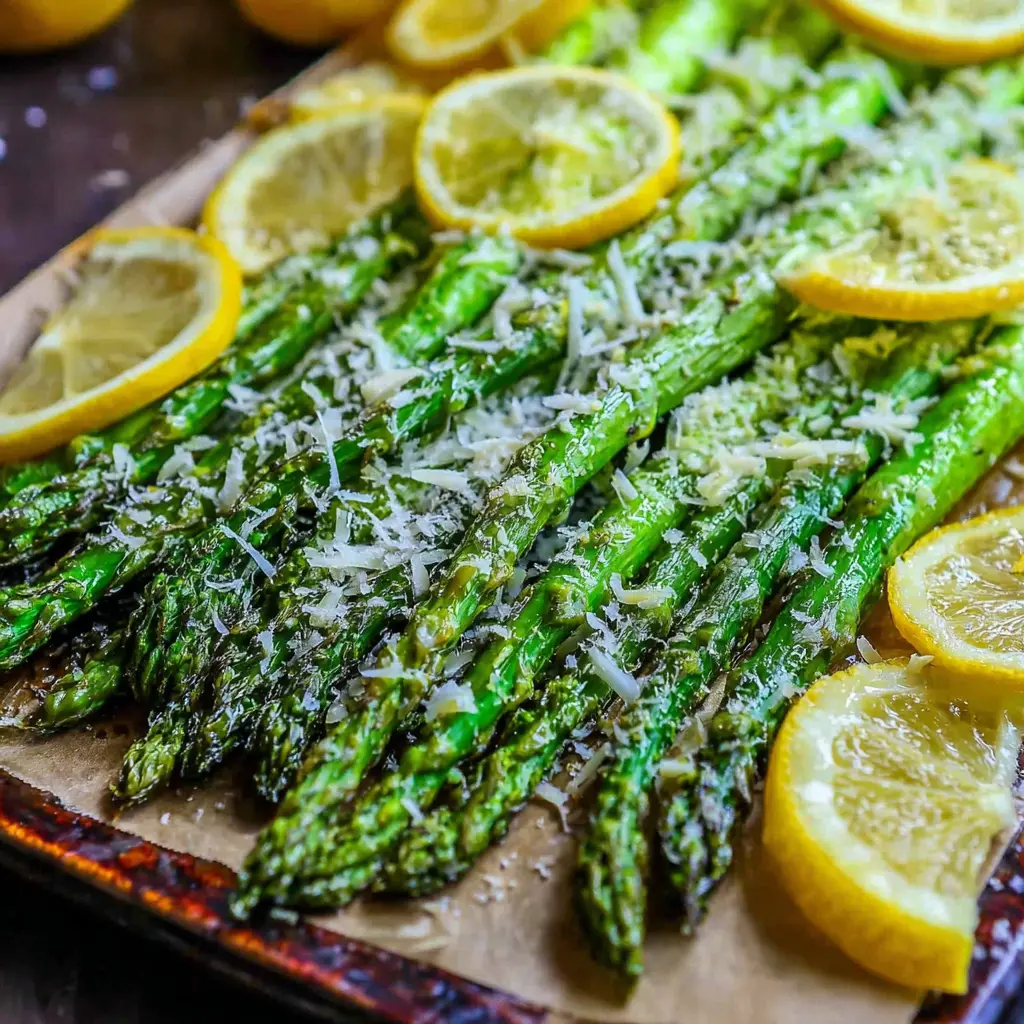
And here’s a little secret: cold roasted asparagus is amazing in salads. The texture is still good, and the flavors are even more concentrated. I love adding it to a simple green salad with some cherry tomatoes and a light vinaigrette. It’s a great way to use up leftovers without feeling like you’re eating the same thing twice.
Frequently Asked Questions
More Roasted Vegetable Recipes You’ll Love
If you love this Roasted Lemon Asparagus, you might also enjoy some of my other favorite vegetable sides. I have a recipe for roasted broccoli with garlic and lemon that’s just as easy and delicious. And my roasted carrots with honey and thyme are always a hit at holiday dinners. For something a little different, try my roasted cauliflower with turmeric and cumin. It’s a light lemon asparagus meal that’s packed with flavor. Check them out on my Pinterest board for more inspiration.
When you make this, you’ll wonder why you ever bothered with other sides. It’s that good. Go ahead, roast that asparagus. Your taste buds will send you a thank-you note. And don’t forget to tag me on Pinterest when you try it. I want to see those golden stalks.
For more inspiration, check out my Pinterest boards for related recipes.
Source: Health & Nutrition Research
How long do I roast asparagus for the best Roasted Lemon Asparagus?
It depends on the thickness of your spears. Thin spears take 8 to 10 minutes, medium spears take 12 to 15 minutes, and thick spears can take up to 18 to 20 minutes. Start checking early to avoid overcooking.
How do I pick fresh asparagus at the store?
Look for firm, bright green stalks with tight, closed tips. The cut ends should look fresh and moist. Give them a gentle squeeze; they should be firm, not floppy. Fresh asparagus is key for the best Roasted Lemon Asparagus.
How do I store leftover Roasted Lemon Asparagus?
Store leftovers in an airtight container in the fridge for 3 to 5 days. Reheat in a hot skillet with a little olive oil, or in a 350°F oven for about 5 minutes. Cold leftovers are also great in salads.
How do I keep Roasted Lemon Asparagus from getting stringy?
Don’t overcook it. Overcooked asparagus becomes stringy and mushy. Roast until crisp-tender, checking early and often. For thick spears, peeling the bottom half with a vegetable peeler also helps prevent stringiness.
What temperature is best for roasting asparagus?
425°F is the ideal temperature for roasting asparagus. It’s hot enough to caramelize the natural sugars and create those beautiful browned edges without burning the tips. This high heat is the secret to perfect Roasted Lemon Asparagus.
Can I use bottled lemon juice instead of fresh lemons?
I really don’t recommend it. Fresh lemons are essential for this recipe. The zest provides a bright, citrusy aroma that bottled juice can’t replicate, and the fresh juice adds a clean acidity. Trust me, the fresh stuff makes a huge difference.
How do I keep Roasted Lemon Asparagus from getting soggy in the oven?
Don’t overcrowd the baking sheet. Each stalk needs its own space to roast, not steam. Also, make sure your oven is fully preheated to 425°F before adding the asparagus. A hot oven helps evaporate surface moisture quickly.